
 EN
EN
Non-Invasive Diagnostics: Eliminating Excavation with Sewer Camera Inspections
Precise, real-time location of blockages, cracks, and root intrusions
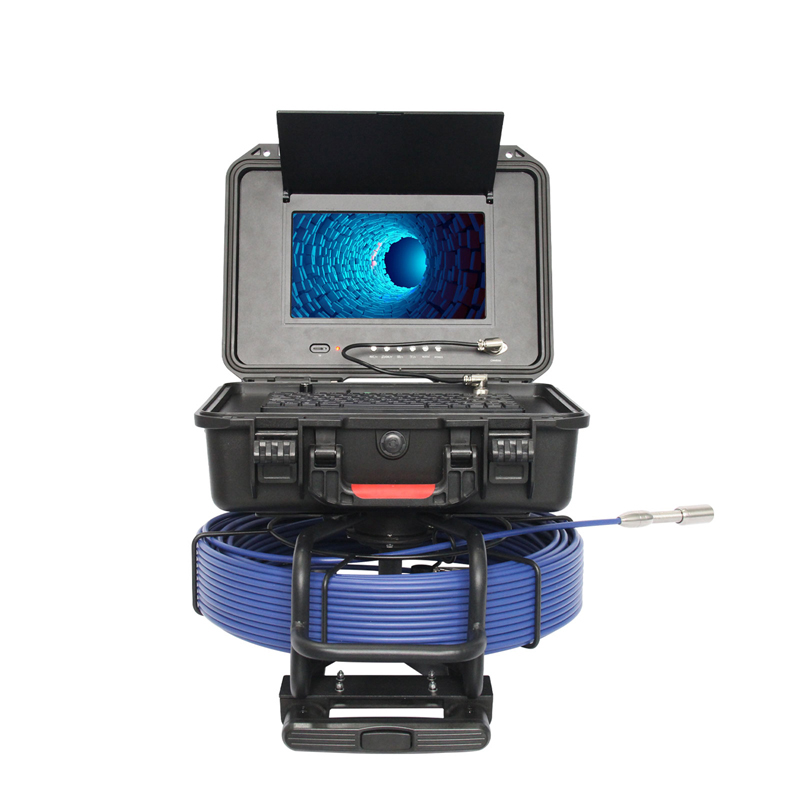
Modern sewer camera inspections deliver high-definition imaging that identifies pipe issues in real time with millimeter accuracy. Technicians pinpoint blockages from grease buildup, hair, or debris; detect structural cracks compromising pipe integrity; and reveal root intrusions threatening underground systems—all without invasive digging. This targeted approach replaces guesswork with visual evidence, reducing diagnostic errors by up to 80% compared to traditional methods. Advanced systems feature pan-tilt-zoom capabilities and AI-assisted defect recognition, allowing operators to zoom in on hairline fractures or measure root penetration depth while navigating pipes. Unlike excavation-based diagnostics—which disrupt service for hours—camera inspections typically complete full line scans in under 30 minutes while maintaining continuous system operation.
Preserving infrastructure and property integrity through no-dig assessment
The trenchless nature of sewer camera evaluations prevents collateral damage to landscapes, driveways, and building foundations—a critical advantage near historic properties or dense urban infrastructure. By inserting flexible cameras through existing access points, municipalities avoid:
- Trench-related soil destabilization increasing subsidence risks
- Restorative costs averaging $2,500 per excavation site (2023 Municipal Infrastructure Report)
- Service interruptions impacting businesses and residents
This methodology preserves pavement integrity—eliminating the need to jackhammer through concrete—and protects tree root systems that stabilize soil. Property owners retain uninterrupted use of outdoor spaces and avoid post-repair landscaping expenses, while pipeline longevity improves through non-destructive assessment.
Early Detection and Preventative Maintenance Powered by Sewer Camera Technology
Sewer cameras enable facility managers to identify hidden failures before they escalate into major crises. By navigating pipes in real time, these diagnostic tools reveal developing threats like accumulating grease clogs, corrosion thinning pipe walls, root intrusions compromising structural integrity, and joint offsets creating infiltration points.
Early detection transforms maintenance from reactive to preventative. Visual condition data allows teams to schedule repairs during planned downtime rather than responding to backups. According to a Water Research Foundation study (2022), municipalities using scheduled sewer camera inspections reduced emergency call-outs by 60% and saved an average of $740,000 annually in avoided excavation costs. This data-driven approach minimizes service disruptions while optimizing resource allocation.
Measurable Cost and Time Savings from Sewer Camera–Driven Maintenance
Reducing emergency call-outs and avoiding costly excavation repairs
Sewer camera technology slashes maintenance expenses by eliminating unnecessary excavation. Proactive inspections identify blockages before failures occur—preventing 80% of sewage backups, per wastewater infrastructure studies. Municipalities report up to 85% cost reduction by avoiding street dig-ups, with repair bills averaging $7,500 per excavation event versus $300 for camera-guided spot repairs. This no-dig approach preserves roads and landscapes while cutting labor hours by 60% compared to traditional methods—transforming reactive spending into strategic maintenance budgets.
Modern Sewer Camera Advancements That Improve Diagnostic Accuracy
High-definition imaging, pan-tilt-zoom, and AI-assisted defect recognition
Modern sewer inspection cameras now feature 4K-resolution imaging that captures microscopic cracks and root intrusions invisible to older systems. Combined with 360-degree pan-tilt-zoom articulation, these cameras eliminate blind spots in pipe bends and junctions. AI algorithms automatically flag defects like corrosion and joint offsets with 30% higher accuracy than manual review, according to industry benchmarks. This technological triad transforms vague diagnoses into precise, actionable condition assessments.
Real-time reporting and cloud-based data sharing for team coordination
Field technicians now instantly share inspection footage through encrypted cloud platforms during assessments. Integrated GPS tracking tags defects to exact geographic coordinates, while collaborative dashboards enable municipal teams to prioritize repairs simultaneously. Real-time reporting slashes inspection-to-action timelines by 40%, preventing isolated findings from getting lost in paperwork. This connectivity ensures infrastructure managers base decisions on live visual data—not delayed paper reports.
FAQ
What are sewer camera inspections?
Sewer camera inspections involve using high-definition cameras to identify issues within pipes, such as blockages, cracks, or root intrusions, without requiring excavation.
How accurate are modern sewer camera inspections?
With advanced imaging and AI-assisted defect recognition, modern sewer camera inspections provide millimeter accuracy, reducing diagnostic errors by up to 80% over traditional methods.
Do sewer camera inspections cause disruption?
No, they are non-invasive and maintain continuous system operation, completing full line scans in under 30 minutes.
How do sewer camera inspections save costs?
They prevent unnecessary excavation and enable proactive maintenance, cutting costs by up to 85% compared to traditional methods.
Are there environmental benefits to sewer camera inspections?
Yes, they preserve landscapes, prevent soil destabilization, and protect tree root systems, avoiding damage caused by excavation.