
 EN
EN
Why Portability Is Critical for Modern Borehole Inspection Cameras
Compact Design and Lightweight Construction for Rapid Field Deployment
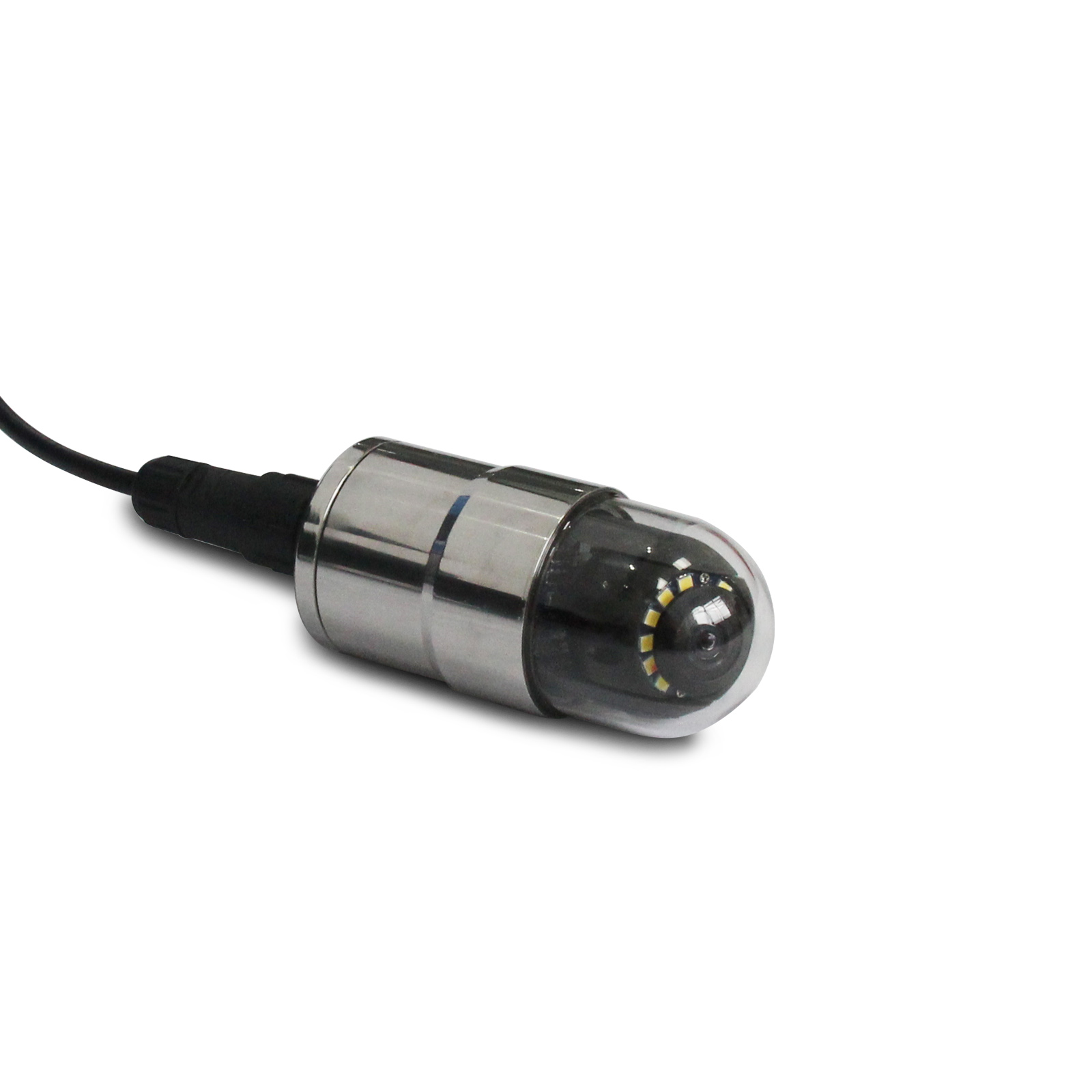
Portable borehole inspection cameras prioritize compact engineering to operate where traditional equipment fails—navigating steep terrain, narrow access points, and remote drilling sites. Sub-3kg systems with modular components cut deployment time by 60%, enabling single-person transport and setup. Collapsible handles and shock-resistant casings maintain ruggedness without sacrificing agility, directly supporting geotechnical teams in completing 4–5 more inspections per day (2023 Subsurface Surveying Benchmarks).
Long-Lasting Battery Life and Efficient Power Management for Off-Grid Sites
In power-scarce environments—from mineral exploration camps to rural infrastructure projects—operational endurance is non-negotiable. Leading models use adaptive power management to dynamically adjust LED output and processor load, delivering over 12 hours of continuous runtime per charge. Quick-swap lithium-polymer batteries support uninterrupted inspections, while solar-compatible charging extends viability at off-grid locations. Field tests across Australian mining sites achieved a 98% task-completion rate using these systems, eliminating the daily downtime previously tied to battery recharging (Geotechnical Survey Quarterly 2024).
Durability Essentials: Building Ruggedness into Every Borehole Inspection Camera
IP68 Sealing, Pressure Resistance, and Reliable Submersion Performance
IP68-rated sealing is the baseline for reliable performance in flooded shafts, stormwater conduits, or high-humidity groundwater assessments—guaranteeing full dust exclusion and continuous submersion beyond 1 meter. Stainless steel housings paired with scratch-resistant sapphire lenses withstand repeated contact with borehole walls, preserving optical integrity and structural stability. This level of protection prevents water-induced failures that cost field teams an estimated $740k annually in replacements and project delays (Ponemon Institute, 2023).
Dust, Mud, Shock, and Vibration Resistance for Mining and Geotechnical Use
Ruggedness extends beyond waterproofing. Industrial-grade vibration dampening absorbs impact energy from rockfall or mechanical jostling; specialized seals block fine silica dust from infiltrating sensitive electronics. Mud-resistant lens coatings retain clarity in sediment-laden boreholes, while non-corrosive polymer grips ensure secure handling in wet or oily conditions. In demanding applications like limestone quarrying and tunnel construction, this integrated durability triples average equipment lifespan compared to standard-grade units.
Imaging Performance That Delivers Clarity in Challenging Boreholes
Superior borehole inspection camera performance rests on two interdependent pillars: optical configuration optimized for environmental hazards and imaging specifications engineered to overcome low-visibility constraints.
Optical Configuration: Side-Facing vs. Forward-Facing Lenses for Debris-Rich Environments
Side-facing lenses deliver unmatched wall coverage—capturing 100% of the borehole circumference perpendicular to the probe’s path. This orientation minimizes interference from settled debris and excels at identifying fine fractures, mineral veining, and lateral structural anomalies critical for geotechnical mapping. Forward-facing lenses remain valuable for documenting obstructions, fluid interfaces, or down-hole tooling—but in silty or colloidal conditions, stirred particulates scatter light, creating “snowstorm” artifacts that obscure detail. Hybrid systems with dual-lens or calibrated 180° fisheye optics now enable simultaneous axial and radial assessment, though precise alignment remains essential for measurement accuracy.
Key Imaging Specifications: Low-Light Sensitivity, Tilt Compensation, and HD Resolution
Low-light sensitivity below 0.1 lux is indispensable in deep, unlit boreholes—where natural illumination fades beyond 15 meters. Modern CMOS sensors amplify faint ambient light while suppressing noise, replacing older-generation systems reliant on aggressive 5,000-lumen LEDs that exacerbated glare in turbid water. Digital tilt compensation (±30°) corrects for probe drift during descent, stabilizing footage where manual repositioning is impractical. Paired with native 1080p resolution, these features eliminate motion blur and chromatic aberration—even in challenging conditions—enabling confident identification and measurement of sub-millimeter fractures. The result is not just sharper imagery, but quantifiable, field-actionable data for resource modeling and structural risk evaluation.
FAQs
What is the importance of portability in borehole inspection cameras?
Portability is critical as it allows for quick and easy deployment in challenging and remote locations, increasing efficiency and the number of inspections performed daily.
How does the durability of borehole inspection cameras affect their performance?
Durability ensures that cameras can withstand harsh environmental conditions, reducing the need for replacements and minimizing project delays due to equipment damage.
Why is imaging performance important in borehole inspection cameras?
Imaging performance is crucial for accurately capturing detailed visuals in low-visibility conditions, supporting precise data collection and analysis for resource modeling and risk evaluation.