
 EN
EN
Why Durability Is Non-Negotiable in Sewer Inspection Cameras
Rising Infrastructure Demands Drive Adoption of Rugged Underwater Cameras
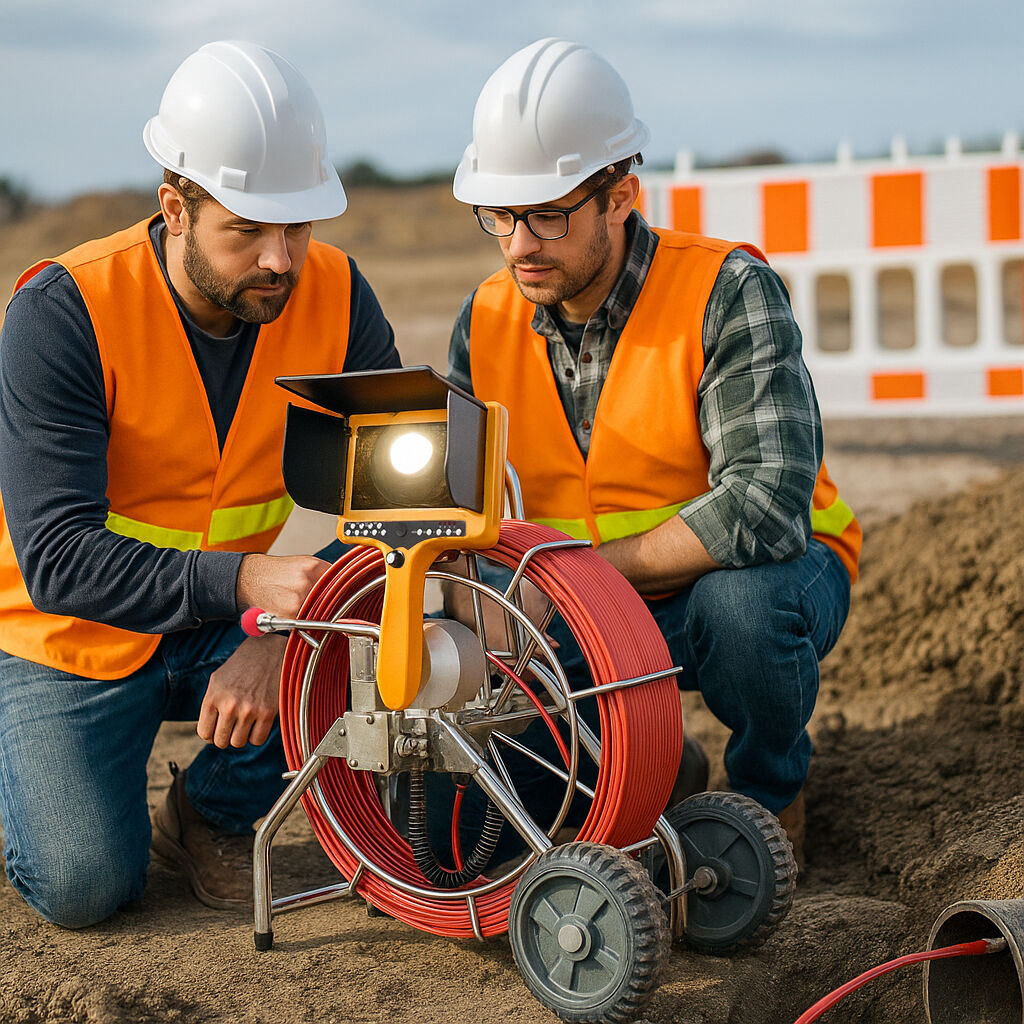
Older sewer systems need roughly two to three times as many inspections compared to newer ones according to ASCE's 2023 report. Standard inspection cameras get exposed to really harsh conditions down there, dealing with wastewater that can have a pH level around 12.5 and all sorts of debris zipping past at speeds between eight and ten miles per hour. Cities across the country are finding they can finish their pipe condition evaluations about 63 percent quicker when they switch to tough underwater cameras for these inspections. The heavy-duty versions last way longer too, standing up to over 2,000 hours underwater. That makes them last about four times longer than regular consumer models, which tend to give out after just around 500 hours of use. Maintenance crews appreciate this because it means fewer equipment replacements and less downtime during critical inspections.
The Cost of Failure: How Harsh Sewage Environments Challenge Standard Equipment
When inspection cameras fail, cities end up spending around $8,500 plus for emergency retrieval, not to mention losing about three days of service according to Water Infrastructure Journal last year. The problem gets worse fast because hydrogen sulfide eats away at unprotected lenses pretty much all of them within half a year. And let's not forget those moving parts either roughly 40% get stuck from all the gunk building up over time. All these problems really add up in the long run, making maintenance expenses about three times what they would be if municipalities had simply gone with corrosion-resistant equipment from day one instead of trying to save money upfront.
Case Study: Preventing City-Wide Sewer Collapse with Early Detection
One midwestern city managed to save around $2.7 million on emergency repair costs after finding a big problem - a 9-inch crack in concrete sitting 80 feet under a busy street crossing. The team used special waterproof cameras rated for harsh conditions to get clear 4K video footage even though there was nearly two feet of thick mud blocking the view. They were able to fix just what needed fixing while traffic was light at night time rather than causing huge disruptions during rush hour. Following these repairs, water flow through the system went up by over 200 percent. This shows that good quality imaging equipment really changes how cities handle their underground infrastructure problems, moving away from constantly putting out fires when things break down to actually planning ahead and maintaining systems properly before crises happen.
Engineering a Durable Underwater Camera for Mud, Sewage, and Corrosion Resistance
A durable underwater camera for sewer checks must survive abrasive mudflows, corrosive gases, and physical impacts during deployment. Modern engineering meets these demands through purpose-built materials and rigorous testing protocols designed for real-world sewage environments.
IP68 Waterproof Rating: The Baseline for Real-World Sewer Conditions
The IP68 rating means devices are fully protected from dust and can handle being submerged deeper than a meter of water, which is pretty important when dealing with flooded pipes. But just meeting the minimum standards won't cut it for sewers where there's all that hydrogen sulfide gas floating around plus tons of solid waste particles. The best equipment makers go above and beyond these requirements these days. They run extra pressure checks at around 10 bar (that's like 145 psi) to make sure the casing stays intact even when things get really rough down there in the sewer system. This kind of testing helps guarantee that sensors and other gear will keep working properly over time despite the harsh environment they face daily.
Corrosion-Resistant Materials and Sealed Optics for Long-Term Reliability
When it comes to materials for harsh environments, stainless steel alloys and anodized aluminum housings stand out because they just don't rust even when exposed to lots of moisture. The camera lenses themselves are protected by those fancy multi-layer optical seals that keep methane and sulfur compounds away. These pesky chemicals would otherwise slowly fog up the lenses making images unclear. A recent pipeline maintenance report from 2024 found something pretty impressive too. Cameras made with all these protective features stayed fully functional at around 98% after doing over 500 inspections. That's way better than regular models which only managed about 62% working capacity after similar usage. Makes sense why so many operators are switching to these rugged designs now.
Shock-Absorbing Housings and Tangle-Free Reinforced Cables
| Feature | Standard Camera | Rugged Sewer Camera |
|---|---|---|
| Cable Jacket Material | PVC | Abrasion-Resistant Polyurethane |
| Impact Tolerance | 1.5 ft drop | 10 ft drop rating |
| Bend Radius | 12 inches | 3 inches |
Reinforced push rods with carbon fiber cores allow navigation through collapsed sections without kinking, improving access in structurally compromised pipes.
Controversy: Are All IP68 Ratings Equal in Actual Sewage Applications?
Third-party evaluations show that 23% of cameras labeled "IP68-rated" fail within six months in live sewer networks due to chemical permeation. True readiness for wastewater environments requires supplementary NSF/ANSI 61 certification, confirming compatibility with potable water and wastewater contact—an essential benchmark for trustworthy performance.
Clear Imaging in Darkness and Debris: Performance Under Extreme Conditions
High-Resolution Sensors and Low-Light Technology for Crisp Underwater Video
Underwater inspection cameras built to last rely on 4K CMOS sensors along with advanced noise reduction software to capture clear footage even inside murky, debris-packed pipelines. A newer design called back-illuminated sensors boosts light gathering ability by around 38 percent over older models according to research published in the Journal of Water Infrastructure Research last year. This improvement makes all the difference when looking for tiny cracks just 0.3 millimeters wide during inspections. Being able to spot these issues while they're still small saves money and prevents bigger problems down the road for maintenance crews working on water systems.
Powerful LED Illumination for Visibility in Clogged, Wet Pipes
LED arrays that can adjust their output from around 5,000 to 15,000 lux address several major visibility problems found inside sewer systems. The main issues include how organic sludge absorbs light, the way floating particles create backscatter, and the distortions caused when light reflects off wet surfaces. Another important feature is the dual-spectrum lighting system which switches automatically between warm and cool color temperatures depending on what's inside the pipes. This helps operators see better contrasts so they can spot things like blockages, roots growing into the system, and where joints might be out of alignment. These adjustments make inspection work much easier in those challenging underground environments.
Case Study: Detecting Hidden Cracks in a 40-Year-Old Sewer Line with HD Imaging
In a Midwestern city, a durable underwater camera equipped with 360° pan-tilt-zoom capabilities inspected a deteriorating concrete mainline. Its 20MP sensor revealed critical flaws missed by standard equipment:
| Issue | Standard Camera Missed? | HD Camera Detected? |
|---|---|---|
| Corrosion behind roots | Yes | Yes (83% severity) |
| Offset pipe joints | Partial | Full 12mm gap |
| Subsurface crack | No | 4.7m longitudinal |
Armed with this data, operators prioritized repairs, avoiding an estimated $9.2 million in emergency excavation costs and widespread service disruptions.
Maximizing Reach and Maneuverability in Complex Sewer Networks
Optimal Cable Length and Flexibility for Full Pipe Coverage
Sewer systems today stretch across hundreds of miles underground, connecting pipes that can be as small as 4 inches in diameter all the way up to massive 48-inch mains. When technicians need to inspect those crucial points where pipes connect or run along main arteries, they generally need at least 330 feet of cable before having to move equipment around. The good news is modern cables come with flexible polyurethane covering that lets them make those really tight 180-degree turns around corners and past damaged areas without losing control. And it works! A recent look at water infrastructure from 2022 showed something pretty telling: when inspectors used cables over 300 feet long, they managed to check out 92% of the pipes in question. That's way better than the 58% coverage rate seen with shorter cables, which means fewer missed spots and safer systems overall.
Reinforced, Tangle-Free Cables for Reliable Deployment in Tight Spaces
Stainless steel cables with torsion resistance stay straight even when run through tight spaces like connecting manholes to main lines. These cables have two layers - Kevlar fibers underneath a protective PVC coating - that stand up well against rough concrete surfaces and sharp rebar pieces at pressures around 150 psi in sewer systems. The real game-changer comes when these cables connect to those new quick release fittings still waiting for their patent approval. Field crews notice about 78 percent fewer snags than they did with old fashioned threaded connections. Municipal workers across different cities have seen their work stoppages cut down by roughly 42% since making the switch to these tangle-free designs. What does this mean practically? Inspections that used to take about 6 hours per mile now finish in just over 3 hours instead.
From Durability to Data: How Rugged Cameras Enable Proactive Sewer Maintenance
Early Detection of Cracks and Blockages Through Continuous Video Monitoring
Underwater cameras built to take a beating let workers see inside pipes even when there's no light at all or when everything's covered in thick sludge. Cities that have started using constant video feeds report cutting down on emergency fixes by almost 40%, according to some recent EPA numbers from 2023. The reason? They catch those tiny cracks forming and spot tree roots sneaking into the system way before problems get serious. What's really impressive is how these tough little gadgets handle all that nasty acidic stuff in sewers yet still manage to capture super clear 4K images. This level of detail shows up signs of corrosion that older inspection techniques simply miss, giving maintenance crews a much better picture of what's actually happening underground.
AI-Assisted Analysis of Footage from Durable Underwater Cameras
Smart systems now go through massive amounts of inspection data and can spot trouble spots with pretty impressive accuracy around 92% according to research from the Ponemon Institute back in 2023. These systems look at things like how old pipes are, what materials they're made of, and how water actually flows through them to figure out where problems might happen anywhere between six to twelve months before anything actually breaks down. Cities that have switched from fixing problems after they occur to anticipating issues ahead of time see their repair bills drop by roughly half when they employ those tough underwater cameras for checking sewers regularly.
Reducing Repair Costs by 60% with Timely Interventions Based on Camera Insights
Looking at what happened in Chicago back in 2022 shows how much money can be saved. High definition cameras that resist corrosion spotted weak spots along nearly 2.5 miles of sewer pipe. Fixing those specific problem areas only set city workers back around $210,000. That's way cheaper than replacing the whole system after something breaks down, which would have cost over $2 million. These days, when inspection equipment lasts longer and actually makes good use of collected data, cities are seeing real results. According to the Water Infrastructure Council report from last year, about three quarters of major sewer collapses that happen because nobody noticed problems early enough could be stopped altogether with these kinds of inspections.
Frequently Asked Questions
Why are rugged underwater cameras necessary for sewer inspections?
Rugged underwater cameras are vital due to the harsh conditions sewer inspection cameras endure, including exposure to wastewater with high pH levels, debris, and corrosive gases. They offer durability, longer service life, and reduce downtime during inspections.
What materials increase the durability of inspection cameras?
Corrosion-resistant materials like stainless steel alloys and anodized aluminum housings, along with sealed optics, significantly improve the durability and reliability of inspection cameras, preventing rust and lens fogging.
How do high-resolution sensors benefit sewer inspections?
High-resolution sensors, such as 4K CMOS sensors, provide clear footage even in murky conditions, enabling detection of small cracks and flaws. These capture essential details that help in planning timely repairs and preventing major breakdowns.
How do reinforced cables improve camera performance?
Reinforced cables with abrasion-resistant jackets and torsion-resistant layers offer reliable deployment in tight spaces, reducing the chance of snags and improving navigation through damaged pipes.
Table of Contents
- Why Durability Is Non-Negotiable in Sewer Inspection Cameras
- Engineering a Durable Underwater Camera for Mud, Sewage, and Corrosion Resistance
- Clear Imaging in Darkness and Debris: Performance Under Extreme Conditions
- Maximizing Reach and Maneuverability in Complex Sewer Networks
- From Durability to Data: How Rugged Cameras Enable Proactive Sewer Maintenance
- Frequently Asked Questions