
 EN
EN
The Evolution of Underwater Detection Equipment in Sewer Inspection
From Visual Checks to Non-Visual Sewer Inspection Technologies
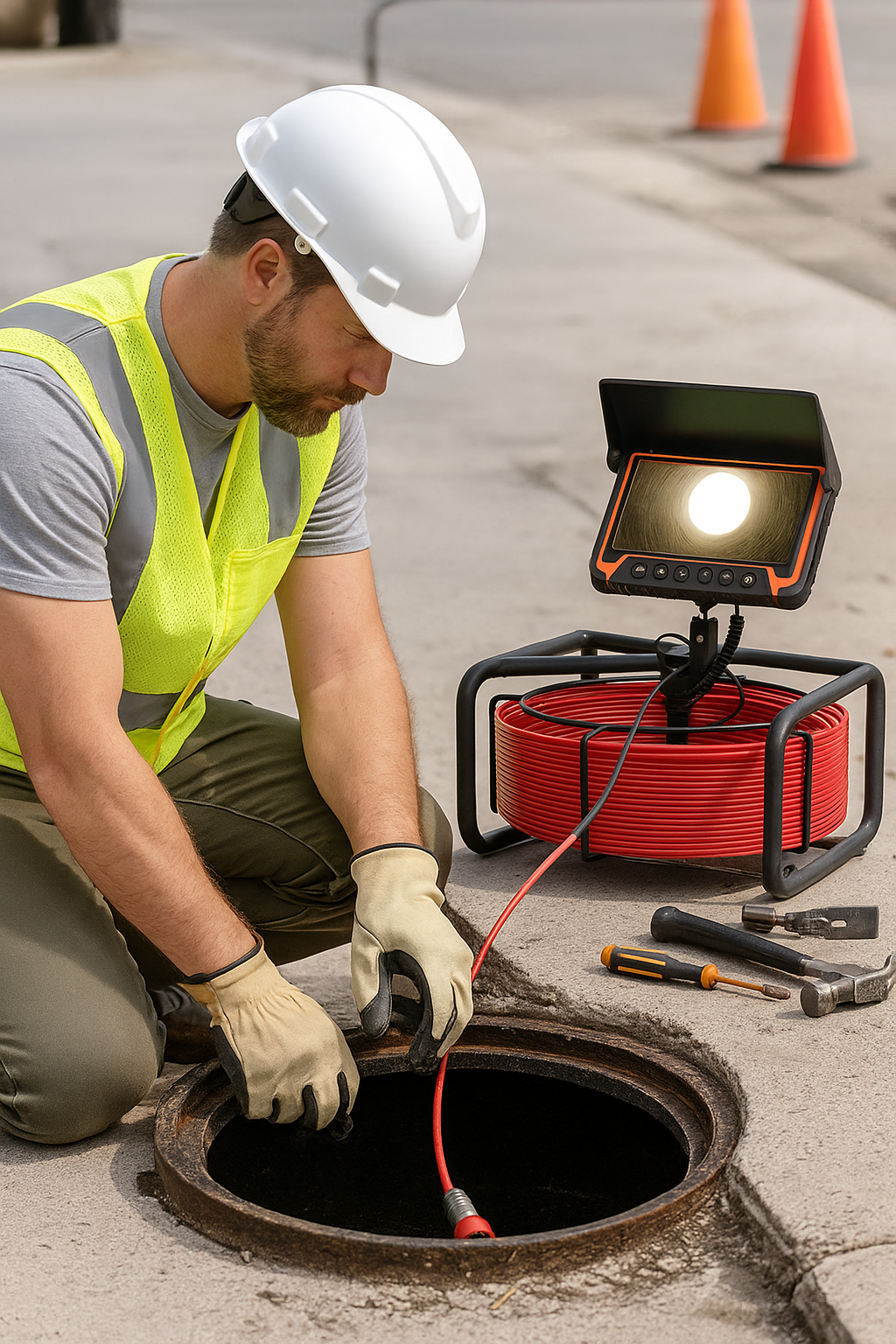
Back in the day, checking out sewers meant sending people down there with flashlights and not much else, which put them at real risk while getting only vague results. These days though, things have changed completely thanks to fancy underwater gear. Robotic snakes can slither through pipes, super clear cameras capture details, and lasers create detailed maps covering almost all pipe surfaces without anyone needing to go inside (U.S. Water Alliance found this in their 2023 report). For those tricky spots that regular eyes miss, engineers rely on stuff like pressure waves bouncing around pipes and these little sensors called IMUs that pick up vibrations from hidden cracks in old concrete lines. This tech makes assessments way better than just looking around.
The Role of Real-Time Data Collection in Modern Sewer Inspections
Modern inspection systems send information about pipe shapes, water speed, and damage sizes wirelessly, so decisions can be made right away instead of waiting for reports. Cities that have adopted these new technologies see blockages cleared almost half a day quicker than old methods did back in the day. The databases used are pretty smart too they connect current inspection findings with past repair history. This helps create better predictions about where problems might happen next. As a result, places like Chicago saw their urgent repair calls drop by around a third within just five years because workers could fix things before they became emergencies.
How Acoustic Blockage Detectors Enhance Submerged Defect Detection
Acoustic detectors equipped with piezoelectric transducers send out frequency sweeps ranging from 2 to 15 kHz. This helps differentiate between sediment buildup which produces low frequency echoes and tree roots that create high frequency resonances. Field testing within Chicago's combined sewer network demonstrated impressive results too. The system achieved around 88% accuracy for finding underwater blockages measuring 10 centimeters or smaller in diameter. That's roughly three times better than what traditional CCTV inspections manage when visibility is poor due to murky water conditions. What makes these systems particularly valuable is their non-invasive nature. They protect pumps from damage while still getting clear readings even when visual inspection isn't possible.
Core Technologies in Underwater Detection Equipment: Sonar and Acoustic Sensing
High-Resolution Sonar Probes for Submerged Defect Detection
These days, sewer inspection crews are using sonar probes that work between 800 kHz and 1.2 MHz frequencies to spot really tiny cracks about 0.08 inches wide in pipes buried deep under over 50 feet of wastewater. What makes these devices stand out is their ability to see details down to 0.2 inches even when visibility is poor. They catch problems like tree roots getting into the pipes and mineral deposits forming inside with around 97% accuracy something regular cameras just can't do according to a recent study published by the Municipal Infrastructure Journal back in 2024. For anyone dealing with underwater pipe networks, this kind of technology has become pretty much indispensable nowadays.
Pulse-Echo vs. Side-Scan Sonar: Application in Narrow Sewer Conduits
Two primary sonar types address space constraints in sewers:
- Pulse-echo systems measure return signal timing to assess defect depth, ideal for evaluating collapsed sections
- Side-scan sonars generate 210° coverage maps using towed arrays, particularly effective in 12″–36″ diameter pipes A 2023 study of 147 municipalities found side-scan sonar reduced excavation errors by 62% compared to CCTV in narrow concrete sewers, highlighting its value in minimizing unnecessary dig costs.
Data Fusion Techniques Combining Acoustic and Pressure Sensor Outputs
Advanced systems integrate sonar with pressure transducers to create 3D blockage models that show both location and hydraulic impact. This fusion reduces false positives by 41% in pump station inspections by correlating acoustic shadows with flow resistance patterns (Water Resources Technology Review 2024), enhancing diagnostic reliability in complex wastewater environments.
Pinpointing Blockage Locations in Pumping Stations with Precision Sensors
Remote Detection of Clogging in Submerged Pumps Using Multi-Sensor Arrays
Today's detection systems for submerged pumps often include multiple sensor types working together acoustic, pressure, and vibration sensors specifically to spot blockages. These advanced setups can catch even minor changes in flow rate down to about 12% below normal levels, which helps maintenance teams locate problems within half a meter accuracy along pipelines stretching as far as two kilometers. A recent report from the American Water Works Association back in 2023 showed that these multi-sensor configurations cut down on pump downtime by around 41% when compared with older single sensor methods simply because they catch issues much sooner before they become major problems.
Field Validation: Accuracy Rates in Pinpointing Location of Blockages in Pumping Stations
Trials at 18 different city water departments showed these systems could find blockages with around 92% accuracy when we combined sensor readings with machine learning tech. The precision jumped by nearly 30% when operators looked at both current pressure changes and past flow patterns together. Most impressive is that these systems can spot clogs as small as 15 centimeters across in about four out of five instances. This performance meets the ISO 24516-2 requirements for proper wastewater monitoring, which means they're ready for real world deployment according to industry standards.
Comparative Performance: Acoustic vs. Electrical Signature Analysis (ESA) Methods
When it comes to spotting those pesky early stage blockages, acoustic systems really shine compared to Electrical Signature Analysis or ESA for short. ESA can catch motor load changes around 79% of the time according to tests, but acoustic arrays hit an impressive 97% success rate at finding partial clogs during last year's Water Environment Federation benchmark study. That makes a big difference when trying to prevent major system failures. On the flip side though, ESA does have one advantage worth mentioning. Installation takes about 30% less time because all that's needed are these non invasive current probes tucked away inside control cabinets instead of dealing with messy submersible hardware that needs to go into water systems directly.
Controversy Analysis: Limitations of ESA in High-Conductivity Wastewater Environments
The effectiveness of ESA drops off when dealing with wastewater that has conductivity above 2,500 µS/cm, which happens quite often along coastlines. According to a recent study looking at 45 different utility companies back in 2023, nearly seven out of ten reported getting false alarms from their ESA systems in salty water conditions, compared to only about one in eight using acoustic technology instead. What's happening here is that changes in conductivity mess with the electrical signals regardless of whether there's actually something blocking the pipe, making it hard to establish reliable readings. Fortunately, broadband acoustic sensors covering frequencies between 20 and 200 kHz have shown impressive results lately, clocking in at around 89% accuracy for spotting those pesky fibrous clogs even in tough environments. Many operators who've switched over find these acoustic solutions much more dependable when faced with the unpredictable nature of real world wastewater conditions.
Real-Time Data Integration for Predictive Maintenance and Operational Efficiency
Predictive Maintenance Models Using Real-Time Asset Health Monitoring
When IoT sensors team up with machine learning, they turn all that raw inspection data into something actually useful for engineers. These systems look at things like how water flows through pipes, changes in pressure readings, and even strange noises that might indicate problems. They can spot issues such as roots growing into sewer lines or dirt building up inside pipes with pretty impressive accuracy around 87%, according to research from NIST last year. Cities are finding this technology really helpful because it gives warning signs about pumps failing well before they actually break down. Some municipalities report cutting their emergency repair bills by about a quarter when using these predictive methods instead of just fixing things on a regular schedule regardless of condition.
Cost-Benefit Analysis of Transitioning from Reactive to Proactive Maintenance
Going proactive instead of waiting for problems cuts down on unexpected downtime by about 40%, and pumps tend to last anywhere from 3 to 5 extra years when maintained properly. According to some research published last year, companies save around $18 for every linear foot of sewer pipe they maintain using these forward-thinking approaches compared to just fixing things after they break down. That adds up to roughly 22% less spending each year. There are also environmental advantages worth mentioning. Most untreated sewage spills happen because blockages go unnoticed until it's too late. The Ponemon Institute found that nearly three quarters of all overflow incidents come from these hidden clogs, which can lead to hefty fines ranging somewhere between $120k and almost $750k depending on what went wrong and where.
Pollution Prevention Through Proactive Maintenance Triggered by Blockage Detection
Monitoring systems in real time stop about 9 out of 10 overflow incidents by catching those pesky partial blockages before things get really bad. Acoustic sensors pick up when there's roughly half the normal water flowing through pipes, and maintenance teams jump into action with targeted jetting usually within just four hours. That's a massive improvement over old fashioned methods which took much longer to respond. The quicker fixes mean around 1.2 million fewer gallons of pollutants end up in our waterways each year for every 100 miles of sewer line. This helps keep fish populations healthy and reduces risks to communities living near these systems according to recent EPA findings from 2023.
FAQ
What are the benefits of using underwater detection equipment in sewer inspection?
Underwater detection equipment enhances sewer inspection by ensuring safety, improving accuracy, and significantly decreasing inspection time. Technologies like robotic snakes, high-resolution cameras, and laser mapping offer in-depth assessments beyond visual checks.
How does real-time data collection improve sewer inspections?
Real-time data allows for instant decision-making regarding sewer conditions and necessary repairs. This immediate access to information reduces blockage clearing time and improves predictive maintenance, reducing urgent repair calls.
Can acoustic blockage detectors function in murky water conditions?
Yes, acoustic detectors can function effectively in murky water. They offer non-invasive solutions and maintain high accuracy even when traditional visual inspection methods fail.
How do sonar probes detect submerged defects?
Sonar probes utilize frequencies ranging from 800 kHz to 1.2 MHz to detect small defects and cracks in submerged pipes. They can spot problems with high precision, especially when visibility is poor.
What are the advantages of proactive maintenance in sewer systems?
Proactive maintenance minimizes downtime, extends equipment lifespan, and reduces costs and environmental impact associated with unexpected sewage spills caused by unnoticed blockages.
Table of Contents
- The Evolution of Underwater Detection Equipment in Sewer Inspection
- Core Technologies in Underwater Detection Equipment: Sonar and Acoustic Sensing
-
Pinpointing Blockage Locations in Pumping Stations with Precision Sensors
- Remote Detection of Clogging in Submerged Pumps Using Multi-Sensor Arrays
- Field Validation: Accuracy Rates in Pinpointing Location of Blockages in Pumping Stations
- Comparative Performance: Acoustic vs. Electrical Signature Analysis (ESA) Methods
- Controversy Analysis: Limitations of ESA in High-Conductivity Wastewater Environments
- Real-Time Data Integration for Predictive Maintenance and Operational Efficiency
-
FAQ
- What are the benefits of using underwater detection equipment in sewer inspection?
- How does real-time data collection improve sewer inspections?
- Can acoustic blockage detectors function in murky water conditions?
- How do sonar probes detect submerged defects?
- What are the advantages of proactive maintenance in sewer systems?