
 EN
EN
Key Advantages of Using Pipe Endoscopes in Municipal Infrastructure
Minimizing Urban Disruption with Trenchless Inspection Techniques
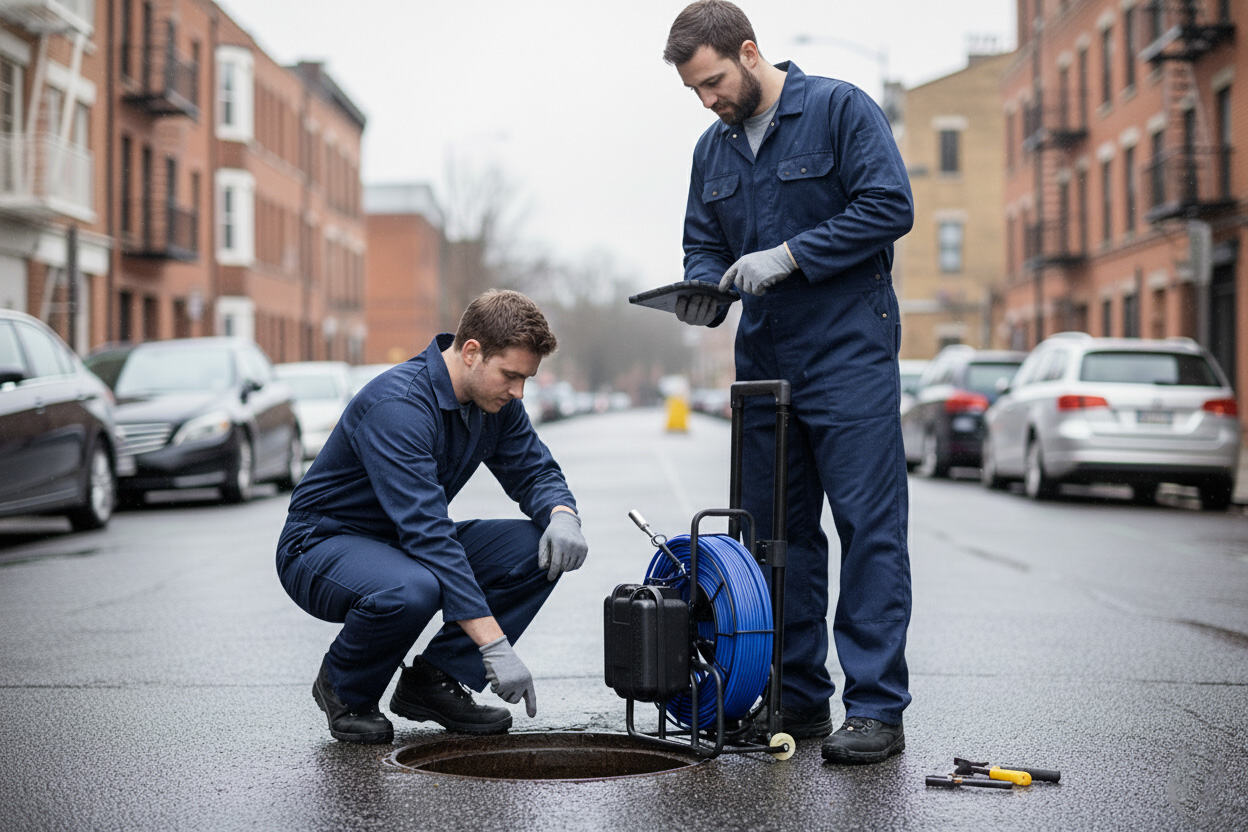
Pipe endoscopes basically cut down on all that digging work since they send those flexible snake cameras right through whatever access points already exist. Back in the day, checking pipes meant cutting into asphalt and moving tons of dirt around, which would shut down traffic for two to three whole days at each location. But these new trenchless methods? They slash the footprint of operations by almost 92% based on some recent city data from 2023. And get this - maintenance teams are able to look over as much as 120 meters of sewer pipe in just half an hour without having to close roads or tear up sidewalks. Makes sense why cities are getting so excited about this technology these days.
Cost and Time Savings Compared to Traditional Digging Methods
Local governments have been able to slash their inspection expenses somewhere between 65 to maybe even 80 percent when they swapped out those old backhoes and all that manual digging for endoscopic diagnostic tools instead. According to a recent 2024 study, some municipalities looking at more than 500 kilometers worth of stormwater drainage systems actually managed to save around 148 grand each year just on equipment rentals alone, plus another cool million dollars annually on fixing up damaged pavement areas. The real game changer here is this real time video stuff which cuts down what used to take weeks of evaluation work down to just a few hours. This not only speeds things up for getting permits approved faster but also means engineers can plan repairs with much greater accuracy than before.
Environmental and Structural Preservation Through Non-Destructive Testing
By avoiding excavation, pipe endoscopes prevent:
- 80 tons of CO emissions per kilometer (EPA 2023)
- Structural weakening of adjacent pipes and road foundations
- Contamination risks from exposed sewage during manual inspections
Non-destructive testing preserves pipeline integrity, extending the service life of aging concrete drainage systems by 12–15 years.
Real-Time Defect Detection and Accurate Diagnosis with High-Resolution Imaging
Immediate Visual Feedback for Rapid Blockage and Sediment Identification
Today's pipe endoscopes give crews real time visuals inside drains so they can spot problems much quicker than old fashioned rodding techniques. According to Wastewater Tech Journal from last year, this tech cuts down on finding blockages by around half - about 53% faster actually. These devices come packed with bright LED lights and those fancy 4K cameras that pick up even the thinnest layer of sediment, sometimes as little as 1mm thick. They help tell apart regular gunk buildup from serious stuff that needs attention right away. What makes them really useful? The live video feed lets plumbers figure out if what they're seeing is a fatberg or just some mineral deposits within less than two minutes most of the time.
Precision Location of Cracks, Corrosion, and Root Intrusion Using HD Endoscopes
The latest inspection tech can spot defects as small as 0.1 millimeters thanks to special dual camera systems designed specifically for sewer work. These systems use all around laser scanning to measure cracks without manual input, and they come with smart software that keeps track of how rust spreads during different inspections. According to research published last year, high definition borescopes actually catch tree roots getting into pipes about two weeks sooner than traditional sound based methods. This early warning gives municipalities time to send in the jetters before problems get bad enough to cause backups. Cities that adopted this approach reported stopping roughly four out of five potential overflow incidents caused by roots.
Case Study: Detecting FOG Buildup and Structural Damage in Aging Pipe Networks
Looking inside Portland's old concrete sewers from the 1960s, engineers found all sorts of fat, oil and grease buildup clogging things up pretty badly. These deposits had shrunk the actual pipe space down to just 30% of what it should be. By fixing those pesky radial lens distortions in their equipment, workers could finally get a good look at exactly how much stuff was stuck along the entire 12 miles of main sewer lines. Thermal scans then picked up on something nobody had noticed before - there were actually six big gaps forming behind the pipe walls. Instead of tearing everything apart which would have cost around $2.8 million, they went with these special CIPP repairs that fixed only the problem spots. Makes sense really, saving money while getting the job done right.
Emerging Trend: 360-Degree Panoramic Views and AI-Powered Image Analysis
Next-generation models use fisheye lenses and embedded machine learning processors to automatically flag 32 defect types in compliance with ASTM F2561-22 standards. Experimental systems generate 3D network models from endoscopic footage, with AI forecasting failure risks 18–24 months in advance by analyzing crack propagation and material fatigue patterns.
Navigating Complex Pipe Systems with Flexible Snake Camera Technology
Maneuvering Through Tight Bends and Branched Drain Lines
Snake cameras that flex well can get through those tough 90 degree turns and all sorts of complicated pipe branches. These inspection tools come with heads that turn full circle and cables protected from damage, so they work even in really tight spaces down to about three inches across without getting stuck on debris. The shape of the housing tapers off which helps them slide better inside old pipes that have corrosion or scaling buildup something we see all the time in city water systems from decades ago. This makes inspections much smoother and gives us more reliable results when checking out what's going on inside those hard to reach areas.
Extended Reach for Long-Distance and Industrial-Scale Sewer Inspections
Endoscopes designed for high performance come with cables that stretch over 500 feet long, which makes them great for checking out problems inside big culverts, stormwater drains, and those complicated industrial drainage setups without having to dig everything up. Some models actually have two modes working together waterproof cameras plus laser distance measurement tools that help track down where joints are separating or roots have gotten into pipes throughout entire network systems. What does all this mean? Well, maintenance crews report they spend about 40 percent less time inspecting major sewer lines running between states now than they did before when they had to check each section individually. That kind of time savings adds up fast when dealing with infrastructure projects.
Field Applications in Residential and Commercial Drainage Systems
Snake cameras that can be moved around quickly are making it much easier to find problems in restaurant drainage lines clogged with grease and in home sewer pipes damaged by tree roots running through PVC, cast iron, and clay systems. Technicians now have all sorts of modular parts they can attach to these cameras too. Things like side view attachments and special nozzles that actually knock loose built up sediment make a big difference when looking at vertical drain stacks or those tricky drains in commercial kitchens. Cities and towns are starting to adopt this technology more often for their maintenance work. They want to fix issues first in areas where residential and commercial properties mix together without causing too much trouble for local residents during repairs.
Integrating Pipe Endoscopes into Proactive Municipal Maintenance Programs
Developing Routine Inspection Protocols to Prevent System Failures
Cities across the country are putting together regular checkup routines for their underground pipes using those camera-equipped endoscopes that can spot blockages, rust spots, and structural issues long before they become major problems. The whole process gets digitized these days too, with high definition videos recorded during inspections so maintenance crews can actually see what's going on inside those concrete veins beneath our streets. According to recent studies from Ponemon Institute back in 2023, this approach catches around two thirds of potential issues well ahead of time. And when municipalities switch from fixing things only after they break down to checking pipes on schedule, it cuts unexpected system shutdowns by roughly 40 percent in older sewer systems where problems tend to pop up most frequently.
Enhancing Emergency Response with Instant Diagnostic Capabilities
During emergencies, portable endoscopes provide immediate visual access without excavation. Real-time video allows crews to locate collapsed sections or root intrusions within minutes, streamlining repair decisions. Cities using this approach report 35% faster response times during sewage backups compared to conventional methods.
Long-Term Planning: Predictive Maintenance Enabled by Continuous Monitoring
Smart systems look at past inspection records and spot patterns showing how fast things are breaking down, plus they highlight areas where problems might happen soon. These machine learning tools process all that data to figure out what's likely to fail next, which helps engineers fix weak spots before they become major issues. Cities that use these prediction methods save around $240 each year for every foot of pipe in their system because they can spend money where it matters most instead of wasting resources on random repairs.
FAQ Section
What is a pipe endoscope?
A pipe endoscope is a diagnostic tool equipped with high-resolution cameras and flexible cables used to inspect municipal infrastructure pipes without requiring excavation.
How do pipe endoscopes help in minimizing urban disruption?
Pipe endoscopes use trenchless inspection techniques, significantly reducing the need for digging and allowing maintenance crews to inspect pipes without closing roads or disrupting urban areas.
What are the cost benefits of using pipe endoscopes?
Municipalities can save significantly on inspection expenses and equipment rentals by using pipe endoscopes, as they eliminate the need for manual digging and expensive repairs to damaged surfaces.
How do pipe endoscopes contribute to environmental preservation?
By avoiding excavation, pipe endoscopes prevent carbon emissions, preserve structural integrity, and minimize contamination risks, thus extending the service life of drainage systems.
What technological features enhance the effectiveness of pipe endoscopes?
Pipe endoscopes feature real-time video capabilities, high-resolution imaging, bright LED lights, and smart software that aid in accurate defect detection and diagnosis.
Table of Contents
- Key Advantages of Using Pipe Endoscopes in Municipal Infrastructure
-
Real-Time Defect Detection and Accurate Diagnosis with High-Resolution Imaging
- Immediate Visual Feedback for Rapid Blockage and Sediment Identification
- Precision Location of Cracks, Corrosion, and Root Intrusion Using HD Endoscopes
- Case Study: Detecting FOG Buildup and Structural Damage in Aging Pipe Networks
- Emerging Trend: 360-Degree Panoramic Views and AI-Powered Image Analysis
- Navigating Complex Pipe Systems with Flexible Snake Camera Technology
- Integrating Pipe Endoscopes into Proactive Municipal Maintenance Programs