
 EN
EN
How a Plumbing Camera Works for Sewer Line Inspection
Real-Time Video Transmission via Flexible, Waterproof Cable Systems
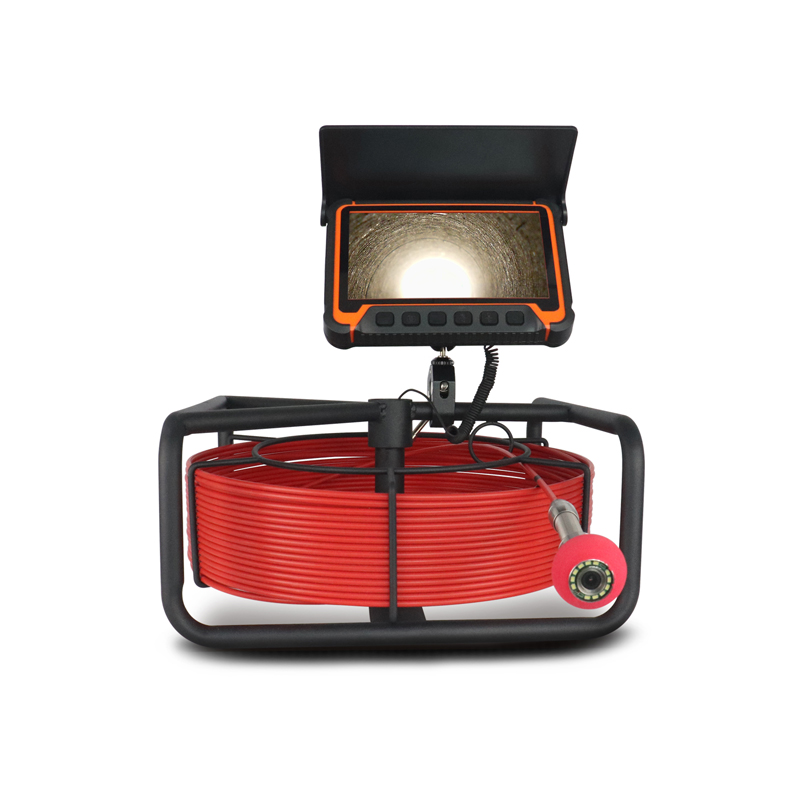
To perform a plumbing camera inspection, technicians feed a flexible waterproof cable with a camera attached into the sewer line at access points such as cleanouts. As the cable moves through the pipes, it handles bends and obstacles while sending live footage back to a monitor on the surface. Bright LED lights light up the inside of these dark pipes, showing everything from clogs and cracks to roots growing into the system. The whole setup works even when water is present thanks to its waterproof design, so plumbers can figure out what's wrong without digging up yards or breaking walls. Seeing exactly where problems are makes all the difference compared to just guessing based on symptoms. These cables can snake their way through complicated pipe systems for around 300 feet, which explains why they've become so valuable for diagnosing issues in homes across neighborhoods.
Key Components: LED Lighting, Pan-and-Tilt Camera Head, and Digital Display Interface
Three core components enable effective sewer inspections:
- LED Lighting: High-lumen arrays illuminate pipe interiors, overcoming darkness and murky water for clear visibility.
- Pan-and-Tilt Camera Head: A motorized lens rotates 360° and adjusts vertically to inspect pipe joints, cracks, and bellies from all angles.
- Digital Display Interface: Real-time HD video appears on monitors with zoom, recording, and snapshot capabilities. Some systems integrate distance counters to log defect locations precisely.
These elements work synergistically—lighting reveals details, the adjustable head captures multi-angle views, and the interface documents findings. This non-invasive approach identifies issues like scale buildup or misaligned joints while avoiding property damage.
Step-by-Step DIY Plumbing Camera Use for Residential Sewer Lines
Pre-Inspection Prep: Locating Cleanouts, Clearing Debris, and Ensuring Safety
Start looking for the main cleanout access point first. Most homes have these around the foundation area, usually a pipe between 3 and 4 inches in diameter. Before doing anything else, sweep away leaves, dirt, and other junk that might get into the system later on. Put on those thick gloves everyone forgets they have in the garage because those old pipes can have razor sharp edges from years of corrosion. Run a drain snake down the pipe just to be sure nothing's stuck inside. Standing water will totally mess with trying to see what's going on down there. And don't skip checking the lights on that camera either. Make sure the screen shows what the camera sees right away so we aren't guessing at shadows when problems actually exist.
Insertion, Navigation, and Recording Best Practices for Accurate Diagnosis
When inserting the waterproof camera into the cleanout, take it slow and apply consistent pressure so the cable doesn't bend or twist. The pan-and tilt head needs gentle rotation as we go around corners, always watching the monitor screen for things like built up sediment or pipe misalignments. Don't ever push too hard on the equipment no matter what. Make sure to record everything during the inspection process, marking down exact times when reaching important spots such as pipe connections or where damage appears visible. If something looks off in certain sections, stop there for a moment to tweak the lights and get shots from different directions. This extra attention often reveals details that might otherwise go unnoticed.
Limitations of DIY Plumbing Camera Use and When to Call a Professional
While DIY plumbing cameras empower homeowners to visually inspect sewer lines, significant limitations exist. Understanding these constraints ensures safety and prevents costly errors that amateur assessments might overlook.
Critical Gaps: Inability to Assess Pipe Structural Integrity or Code Compliance
Most home plumbing cameras can spot obvious problems such as clogs or small cracks, but they miss important details about pipe wall thickness, how much pressure from surrounding soil is affecting them, or how fast materials are breaking down over time. Regular folks don't have access to special equipment like sonar devices or pressure gauges that would show hidden rust spots or weak points in pipes. The bigger problem? These do-it-yourself checks won't tell if work meets local building standards. If someone installed something wrong or made an illegal connection somewhere, they could face serious penalties running into hundreds of thousands of dollars. Imagine getting hit with a fine just because nobody noticed a code violation during those basic camera checks.
- Subsurface erosion compromising pipe stability
- Non-compliant slope gradients or joint seals
- Asbestos-containing materials in older systems
Red Flags Requiring Expert Intervention — Tree Root Penetration, Collapse, or Sewer Gas Leaks
Immediate professional intervention becomes essential when cameras detect high-risk scenarios. DIY approaches fail to resolve:
- Tree root intrusion: Extensive roots require industrial cutters and epoxy lining
- Partial collapses: Shifting soil or pipe disintegration demands trenchless repair rigs
- Sewer gas leaks: Indicated by bubbling water or rotten-egg smells, signaling hazardous methane exposure
Professionals bring structural diagnostic tools and code knowledge to mitigate health risks and environmental contamination. According to 2023 plumbing safety studies, amateur attempts to repair gas leaks resulted in 24% higher incident rates than professional interventions.
FAQ Section
What is a plumbing camera used for?
A plumbing camera is used for inspecting sewer lines and plumbing systems by providing live footage of the interior of pipes, helping identify issues such as clogs, cracks, or tree root intrusion.
Can a plumbing camera detect all types of sewer line problems?
While plumbing cameras can spot visible clogs and cracks, they cannot assess pipe structural integrity or determine compliance with building codes. More sophisticated equipment may be required for these evaluations.
Is it safe to perform a DIY plumbing camera inspection?
DIY plumbing inspections are generally safe for identifying simple issues but may expose homeowners to risks if complex problems like sewer gas leaks or structural collapses are encountered.
Why should I call a professional if I find serious issues with a plumbing camera?
Professional plumbers possess the necessary tools and expertise to address severe plumbing problems, ensuring code compliance and preventing health risks or environmental damage.