
 EN
EN
Essential Hardware Features of a Reliable Sewer Pipe Camera
HD Resolution and Low-Light Imaging for Precise Defect Identification
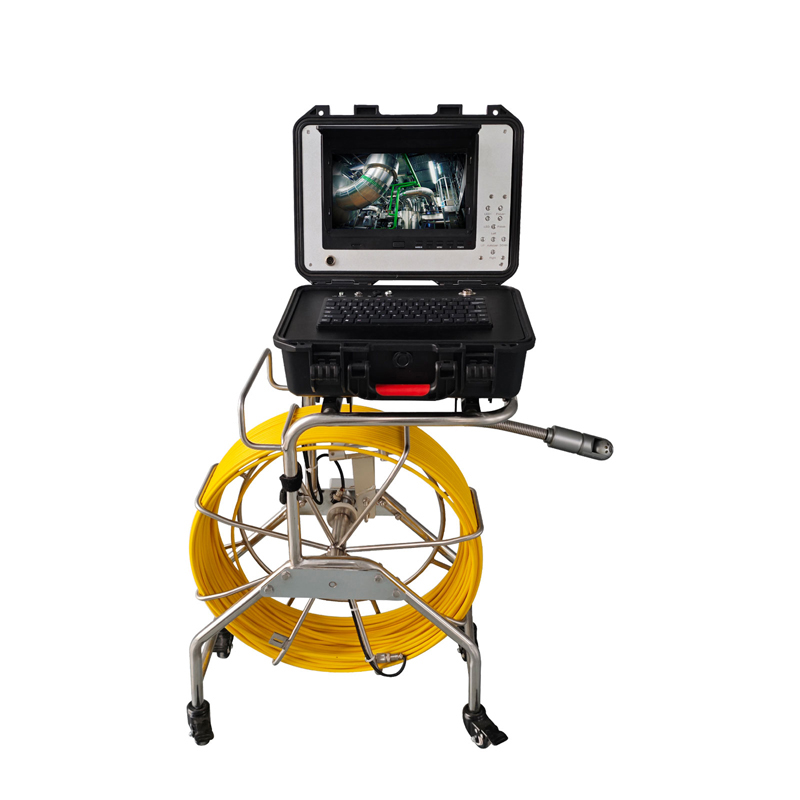
Cameras with at least 720p resolution can spot those tiny hairline cracks and alignment issues that regular cameras just don't catch. When combined with adjustable LED lights, these systems stay clear even in pitch black conditions or murky water situations common in storm drains and old sewer lines. The latest models come equipped with special low light sensors that help see through all sorts of obstructions, making it possible to detect tree roots growing into pipes, rust spots forming on metal surfaces, and early signs of structural weakening in pipe walls. According to city maintenance records from several municipalities, having both high res imaging and good lighting cuts down on mistakes during inspections by around 40 percent. This means fewer problems get missed initially, saving money down the road when what could have been fixed cheaply turns into expensive emergency work instead.
Robust Cable Design, IP68 Waterproofing, and Corrosion-Resistant Materials
Polyurethane cables built for industrial use can stand up to the rough treatment from concrete pipes and won't break down when exposed to hydrogen sulfide, which tends to build up in older sewer systems over time. With an IP68 waterproof rating, these cables can handle being completely submerged under water deeper than a meter, so they work well even when sewers get backed up or flooded during heavy rains. The camera housings are made of stainless steel that resists corrosion in acidic conditions, and the joints connecting parts together use titanium alloys that stay strong and flexible no matter what temperature extremes they face, from really cold at minus 20 degrees Celsius all the way up to 60 degrees. All these tough components combined mean the equipment lasts about three times longer than regular consumer grade stuff, which saves money in the long run since replacements aren't needed as often.
Pan-Tilt-Zoom (PTZ) Capability and Fisheye Lens Optimization for Full-Pipe Coverage
The motorized PTZ mechanism allows for around 270 degrees of vertical movement and full 360 degree horizontal scanning. This means inspectors can check pipe crowns, the bottom sections, and side connections without having to move the camera around constantly. The wide angle fisheye lens captures nearly all of the pipe wall space in one shot, so there are no hidden areas when looking at complicated pipe intersections. Pair this with laser scaling tech and the system can measure cracks, bends, or misaligned joints down to the millimeter while moving through the pipes. The gyroscopic stabilizer keeps images oriented properly even when water is flowing strongly or the pipe slopes change unexpectedly.
Sewer Pipe Camera Deployment Methods: Probes, Push Rods, and Robotic Crawlers
Selecting the optimal deployment method for a sewer pipe camera directly impacts inspection accuracy, safety, and efficiency across diverse infrastructure conditions. Each approach addresses specific constraints—from pipe diameter and length to flow velocity and accessibility.
Handheld Push-Cam Systems for Small-Diameter and Short-Run Inspections
Push rod cameras work really well for looking at residential sewer lines, branch connections, and those tricky spots where getting around is tough but speed counts. The flexible cable design can handle pipes as wide as 150mm and actually manages those sharp corners without much resistance. Most models come with skid mounted camera heads that stay put even when water flows through, so operators get clear pictures of roots growing into pipes, misaligned joints, or built up grease deposits along stretches up to 50 meters long. These units don't need extra power sources or complicated installation either, which means less messing around on site and definitely fewer holes dug in backyards when technicians just need to check specific problem areas.
Motorized Robotic Crawlers for Long-Distance, Large-Diameter, and Vertical Sewer Lines
Robotic crawlers with tracks offer self-propelled movement capabilities for tough city inspection jobs. These machines work best in pipes bigger than 300mm across and can handle inspections stretching well past 500 meters long. That makes them great for looking at main sewer lines, interceptors, and those big collector pipes that are so hard to reach otherwise. The cameras on these devices have special mounting systems that keep images steady even when water is rushing fast or there's lots of dirt floating around. Plus, the motors inside are built to withstand water damage thanks to their IP68 rating, which means they keep working reliably even underwater where corrosion is a real problem. With features like adjustable zoom lenses and full rotation movement, inspectors get clear views of tricky spots like vertical drops, manhole interiors, and complicated pipe connections. All this detailed information helps cities plan major infrastructure projects and stay on top of regulations without breaking budgets.
Smart Software Capabilities That Enhance Sewer Pipe Camera Accuracy
Real-Time Video Streaming and On-Screen Measurement Tools
Live video streaming makes it possible for teams to make decisions together right away, no matter if workers are at the site or somewhere else entirely. The system has built in measurement functions that show exact measurements right over the video, so people can figure out things like how wide cracks are, how much joints have moved, or how deep sediment has built up without waiting for later analysis. These measurement features have been tested against real world calibration data and meet ASTM F1216 standards. They cut down on guesswork errors by about 30 percent, which means everyone stays on the same page regarding city regulations and problems get addressed faster before they become bigger headaches.
AI-Powered Defect Recognition and Automated Reporting for Municipal Compliance
Smart analytics powered by artificial intelligence turn those grainy videos into something useful for decision making. These systems get trained on lots of real world examples where defects have been confirmed, so they can spot things like cracks, roots getting into pipes, rust spots, and warped sections pretty reliably most of the time. The software flags the really important issues but knows how to ignore stuff that looks suspicious but isn't actually a problem, like bits of dirt or weird reflections from lights. When it comes to paperwork, the system creates reports automatically following those official standards everyone needs for compliance work. This cuts down on how long people spend documenting everything by around two thirds, which means less time staring at screens and more time doing actual field work. Connecting these tools with mapping systems and maintenance databases lets organizations track their assets over time. This helps plan repairs smarter, saves money in the long run, and keeps infrastructure running longer before needing replacement.
FAQ
What resolution should a reliable sewer pipe camera have?
A reliable sewer pipe camera should have at least a 720p resolution for spotting tiny hairline cracks and alignment issues.
Why is IP68 waterproofing important for sewer pipe cameras?
IP68 waterproofing ensures that cables can handle being completely submerged under water, making them ideal for sewer camera usage, especially in flooded conditions.
How does AI improve sewer pipe camera inspections?
AI-powered systems enhance inspections by accurately recognizing defects such as cracks, roots, or rust and automate reporting for municipal compliance.