
 EN
EN

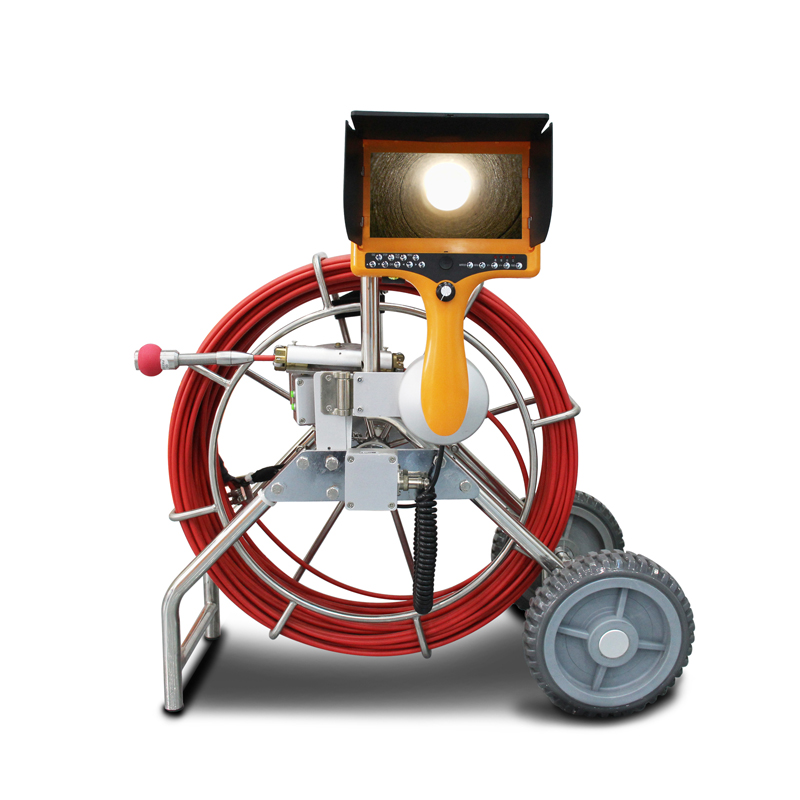
Why Small Pipe Cameras Are Critical for Sub-2-Inch Pipe Inspection
Physical Constraints of Narrow Pipe Infrastructure (≤1.5" Diameter)
Working with pipes smaller than 1.5 inches requires special tools because of several challenges. The first problem is simple physics - most standard inspection cameras are too big at over 10mm (about 0.4 inches) to fit into regular sink drains, HVAC condensate lines, or appliance drain pipes. Then there's the issue of friction inside copper and PVC pipes where even tiny bits of debris can get stuck and stop the camera from moving properly. And let's not forget those sharp turns greater than 90 degrees in P-traps and elbow joints that no rigid system can navigate without getting caught. According to recent industry reports, around 78 out of every 100 plumbing clogs happen in pipes under 2 inches in diameter (Plumbing Standards Institute 2023). What makes things worse? About 62% of failed inspections actually come down to using equipment that's simply too large for the job. That's why small pipe cameras have become so important. These devices feature ultra-thin probes under 10mm combined with flexible shafts that respond well to torque, allowing clear images even through the tightest bends. Plumbers need these tools especially when checking behind walls or under floorboards where access holes are often only about 25mm wide.
Why Standard Push Cameras Fail in Confined Spaces
Conventional push cameras face four fundamental limitations in narrow pipes:
- Rigidity: Fixed shafts jam at bends exceeding 45° — a threshold routinely exceeded in residential drain traps
- Light bleed: Wide-angle lenses scatter illumination in reflective metal pipes, washing out detail with glare
- Limited maneuverability: Non-articulating heads cannot navigate S-bends or lateral offsets
- Diameter mismatch: Probes >1.5" strain pipe walls, risking scratches on PVC and compromising structural integrity
| Feature | Standard Push Camera | Small Pipe Camera |
|---|---|---|
| Min. Pipe Diameter | 2+ inches | ≤1.5 inches |
| Bend Navigation | ≤145° angles | 90°+ P-traps |
| Surface Safety | Medium risk | Low scratch risk |
This explains why 74% of plumbers report misdiagnoses when forcing standard cameras into undersized pipes — often mistaking shadows or glare for cracks. Small pipe cameras overcome this through proportional sizing, controlled articulation, and optical design calibrated for confined environments — preventing costly false negatives without compromising diagnostic confidence.
Key Design Features of High-Performance Small Pipe Cameras
Sub-10mm Probe Diameter vs. Image Clarity and Low-Light Sensitivity
Creating miniaturized inspection tools requires careful engineering work to get the right balance between small size and good optical performance. Traditional image sensors have had trouble working well in the dim lighting conditions found inside pipelines. But newer high sensitivity CMOS sensors are changing things thanks to pixel binning technology. According to a study from Pipe Inspection Technology Review back in 2022, these new sensors actually improve light capture by about 45%. The articulated lens design is pretty impressive too. These lenses can still produce real 1080p resolution even when they're only 8mm across, which means inspectors get clear enough images for proper diagnosis. For lighting, balanced LED systems do double duty. They stop those annoying bright spots on shiny metal pipes but also show up tiny flaws in non-shiny PVC materials. This combination makes it possible to spot cracks as small as half a millimeter even when there's almost no light at all.
Flexible Shaft Materials, Articulation Range, and Durability in Tight Turns
Getting around complicated pipe systems demands equipment that can physically adapt on the fly. The stainless steel coils inside these tools are covered with tough aramid material that resists wear and tear, giving them stability against twisting forces while still letting them bend easily around those tight 90 degree corners we all know too well. With joints that segment into parts assisted by springs, these devices can actually turn almost completely sideways (about 180 degrees) so inspectors don't need to constantly pull them back out just to check different angles. We've tested these things extensively, and they hold up remarkably well after hundreds of bends at really small radii - sometimes less than an inch and a half - which makes sense given how often plumbers run into similar situations in regular home sewer checks. Those little spring loaded caps at the front take most of the hits when moving through pipes, cutting down broken lenses by roughly a third compared to older models. And here's another important point: even after wriggling through multiple elbows in a snake-like path, the shaft doesn't remember where it was bent before. Less than 5% memory retention means better control each time someone grabs the tool again for another job.
Practical Plumbing Inspection Use Cases for Small Pipe Cameras
Clog Localization, Root Intrusion Mapping, and Hairline Crack Detection
Small pipe cameras deliver decisive value in three high-impact plumbing diagnostics:
- Clog Localization: Precisely identifying grease buildups, hair masses, or foreign objects in pipes under 1.5" diameter — where traditional tools fail. Technicians avoid unnecessary excavation by determining exact blockage depth and composition, saving homeowners an average of 35% in repair costs (National Association of Plumbing Inspectors, 2023).
- Root Intrusion Mapping: Detecting fibrous root networks infiltrating sewer laterals through joints and micro-cracks. High-resolution imaging reveals growth direction and density, enabling targeted chemical or mechanical removal before structural failure occurs.
- Hairline Crack Detection: Identifying sub-millimeter fractures in PVC, cast iron, or ABS piping. Advanced lenses with directional LED sidelighting expose micro-fissures invisible to standard cameras — preventing chronic leaks that accelerate corrosion and compromise slab integrity.
These applications minimize property disruption while generating court-admissible video documentation for insurance claims, municipal compliance reports, and contractor liability protection.
Best Practices to Maximize Accuracy and Longevity of Your Pipe Camera
Illumination Calibration, Focus Protocols, and Avoiding False Negatives in Reflective Environments
Before starting any inspection work, take time to adjust the lighting according to what kind of pipes we're looking at and how bright or dim the surrounding area happens to be. Stainless steel tends to get washed out if we don't dial back the brightness just right, while those dark colored PVC pipes need extra light so details won't disappear completely. When focusing the equipment, either go old school with manual adjustments or let the automatic system do its thing but keep an eye on it near the edges where things can get blurry around the 12 inch mark from the front of the camera. Reflective surfaces are tricky business because they create all sorts of unwanted glare that hides problems. A simple trick is to tilt the camera just a bit away from straight ahead and switch to polarized lights or diffuse LEDs when possible. This helps spot tiny issues such as hairline fractures or the beginnings of root growth that might otherwise go unnoticed. According to folks at InterNACHI, regular maintenance matters too. Every two weeks or so, check everything's calibrated properly and wipe down lenses using that special microfiber cloth designed for electronics. Not only does this prolong the life of our sensors, it also keeps readings accurate over time despite all the dust and grime that builds up during inspections.
FAQs
Why are small pipe cameras important for sub-2-inch pipe inspection?
Small pipe cameras are crucial for inspecting sub-2-inch pipes because they feature ultra-thin probes and flexible shafts that can navigate tight bends and provide clear images, making them ideal for accessing and diagnosing hard-to-reach areas.
What challenges do standard push cameras face in narrow pipes?
Standard push cameras face challenges such as rigidity, light bleed, limited maneuverability, and diameter mismatch, which makes them unsuitable for narrow pipes and leads to misdiagnosis.
What is the advantage of a sub-10mm probe diameter?
Sub-10mm probe diameters offer a balance between small size and high optical performance, allowing for excellent image clarity and low-light sensitivity, essential for accurate pipe inspection.
How do small pipe cameras help in detecting root intrusion?
Small pipe cameras with high-resolution imaging can detect fibrous root networks infiltrating sewer laterals, revealing growth direction and density for targeted removal.