
 EN
EN
How Plumbing Cameras Work: Core Technology and Residential Design Principles
Imaging, Lighting, and Location Tracking in Modern Drain Inspection Systems
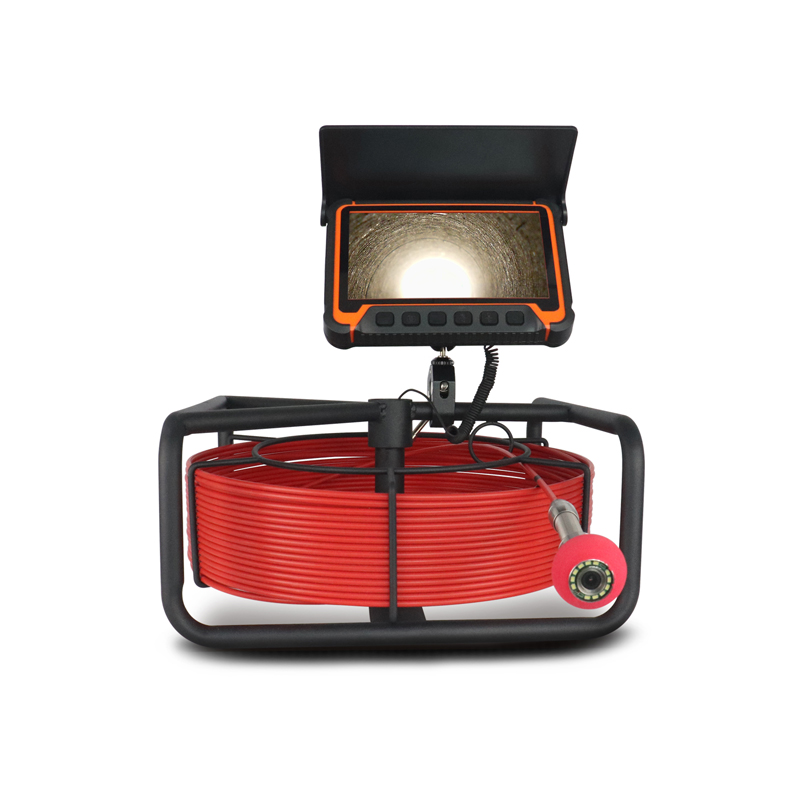
Today's plumbing inspection cameras combine several key technologies to provide detailed diagnosis without tearing apart pipes in homes. The main component is a high resolution camera that records live footage inside pipes, showing tiny cracks, rust spots, and broken joints that regular eye inspections just cant catch. These devices also come equipped with bright LEDs that light up the darkest parts of the pipe where dirt and grime tend to accumulate, making it possible to see those hidden problems that would otherwise be invisible. There's also something called a sonde or location transmitter built right in. This gadget sends out signals that plumbers can pick up from above ground using special equipment. What this means for actual work? Plumbers can figure out exactly where a problem lies down to within just a few inches, which saves tons of time and money compared to digging everywhere blindly.
This system works with a flexible push cable that sends real time video to a handheld screen. The cable has distance markers along it so technicians can tell exactly how deep they are during inspections. The whole thing is built tough too, with waterproof casings rated IP68 that keep the delicate electronics safe from water damage, bumps, and even harsh chemicals often found in drains. All these parts work together to turn guesswork into clear pictures and data points, making what used to be just basic drain checking into something much more useful for diagnosing problems accurately.
Why Camera Head Size, Articulation, and IP Rating Matter for Home Pipes
The design of camera heads makes all the difference when it comes to successful inspections in homes. Smaller heads that are less than an inch across work best for most household drains which typically range from 1.5 to 4 inches in size. These compact models don't get stuck as easily when moving through those tricky bends and narrow branches that are common in older plumbing systems. Articulating heads offer something extra though. They can rotate anywhere between 180 degrees and full circle, giving inspectors the ability to look around corners, check out pipe walls after elbows, and examine areas near trap assemblies. This kind of flexibility is really important because it helps find problems like tree roots growing into pipes or connections that aren't lined up properly something that regular fixed angle cameras just miss completely.
Waterproofing rated IP68 isn't just nice to have, it's basically required these days. This rating means the device can handle being fully submerged under water up to 3 meters deep for over half an hour without damage. Plus it stands up pretty well against all sorts of nasty stuff like sewage backup, oil spills, and industrial chemicals that might get thrown its way. When combined with a good quality stainless steel casing, equipment lasts much longer in those unpredictable environments we find in home drainage systems. Getting the right size matters too, along with how joints move and where openings are placed. All these factors together help cover everything properly while reducing chances of breakdowns or missed spots during inspections.
Key Selection Criteria for a Home Plumbing Camera
Selecting the right plumbing camera means aligning technical capabilities with the realities of residential infrastructure: confined access points, varied pipe materials, and infrequent—but mission-critical—use. Prioritize cable performance and display usability to support efficient, confident diagnostics in attics, crawlspaces, and basement utility rooms.
Cable Length and Flexibility: Matching 30—100 ft Ranges to Typical Residential Drain Layouts
The majority of home inspections typically range between 30 to 65 feet long, covering things like sinks, showers, laundry room drains, and those shorter pipe branches throughout the house. For main sewer lines running across yards or through older properties with separate garages and basements, we're looking at around 75 to 100 feet of cable needed. When shopping for inspection equipment, go for cables reinforced with stainless steel that can still bend easily around those sharp 90 degree turns commonly found in older cast iron pipes or modern PVC systems. Too thick a cable gets stuck in cramped spaces behind cabinets, while cables that are too thin just won't reach important spots such as cleanout access points or where drain stacks meet floor levels. According to recent industry data from early 2024, about seven out of ten residential inspections get done fine with cables under fifty feet, but nearly a third run into trouble needing something over seventy five feet long. That makes investing in modular or extendable cable systems pretty smart if full system visibility matters.
Monitor Quality and Portability: Resolution, Brightness, and Ergonomics for Indoor Use
For indoor diagnostics work, good visibility goes hand in hand with worker comfort. When shopping for inspection monitors, look for models with around 720p resolution and brightness above 500 nits. This helps see those dark corners behind pipes where lighting drops off after about 15 to 20 feet from the source. The monitor should weigh less than 3 pounds ideally, since nobody wants to lug something heavier through tight crawlspaces all day. Anti-glare screens make a big difference too, along with proper carrying options like sturdy shoulder straps or comfortable grips. Most technicians need at least five hours of battery life to complete property inspections without stopping mid-job to recharge. Industry standards definitely stress this point: getting the right balance between sharp images and equipment ergonomics matters because small details matter. Missed cracks or barely noticeable gaps in joints can become major problems down the road if not spotted early enough.
| Feature | Home Use Recommendation | Why It Matters |
|---|---|---|
| Resolution | 720p minimum | Identifies hairline cracks and early-stage scale buildup |
| Brightness | 500 nits+ | Maintains visibility in low-light, reflective pipe environments |
| Weight | <3 lbs (1.4 kg) | Enables stable, fatigue-free operation in confined spaces |
| Battery Life | 5+ hours | Supports uninterrupted whole-home diagnostics |
Avoid over-specifying: 4K resolution, ultra-long cables, or industrial articulation add cost and complexity rarely justified for standard home maintenance. Instead, prioritize intuitive interface design, drop-tested durability, and seamless cable-monitor synchronization.
Home-Use vs. Professional Plumbing Cameras: Balancing Cost, Durability, and Features
The difference between home and professional plumbing cameras goes way beyond what's on the price tag. Most home units run around $500 or less and focus on straightforward operation with decent value. They usually come with 720p resolution, about 30 to 50 feet of cable length, and simple controls good enough for checking pipes once a year or dealing with an occasional blockage. These consumer grade models work fine for the average homeowner doing quick inspections, but serious plumbers need something tougher. Professional equipment stands up to harsh conditions like constant exposure to raw sewage and waterlogged pipes because it features stronger seals, better pressure handling, and materials that resist corrosion over time.
Systems priced at $2000 plus bring real engineering muscle to the table. Think about certified IP68 waterproof protection, those tough military spec stainless steel bodies, 4K cameras that see clearly even when light is scarce, and those long flexible cables over 100 feet that bend and twist with responsive control. Contractors who handle multiple projects each month dealing with all sorts of pipes from old cast iron to modern PVC need these specs, not just nice to haves. The Ponemon Institute looked into this stuff back in 2023 and found something interesting - durable commercial grade equipment cuts down unexpected breakdowns by around two thirds. That means saving roughly seven hundred forty thousand dollars per year in lost productivity due to gear failures. Homeowners should match their budget to what they actually need rather than paying extra for bells and whistles they'll never use. But pros know better than to skimp here because reliable equipment isn't just about money saved - it directly impacts how clients perceive their work quality too.
Practical Applications: Using Your Plumbing Camera for Preventative Maintenance and Early Problem Detection
Annual Inspections, Clog Diagnostics, and Post-Renovation Verification
Plumbing cameras change how we handle pipe problems from just fixing things when they break to actually looking after our pipes before trouble starts. When people get their drains checked once a year, they can spot small problems early on something as simple as tiny cracks in old clay pipes, roots starting to grow into sewer lines, or dirt building up inside the walls. These little issues don't seem big at first but can turn into major messes down the road. According to some recent data from plumbers across the country in 2024, fixing these small issues upfront saves homeowners about three quarters of what they would spend if they waited until there was a real emergency situation with flooded basements or water damage throughout the house.
When diagnosing clogs, real time video footage takes all the guesswork out of figuring what's going on down there. Can tell if it's solidified grease, a section of pipe that has collapsed somewhere, or something stuck in there from outside. Saves plumbers around 2 to 3 hours on each job and keeps them from cutting open pipes unnecessarily. After any kind of renovation work happens, like when someone does their kitchen over, expands the bathroom, or messes with the yard, running a camera through the pipes makes sure nothing got left behind during construction. Checks that all those connections are still tight and properly positioned, and confirms the new pipes have enough slope to drain properly according to building codes (at least 1/4 inch drop per foot). The whole package of regular checks, accurate problem finding, and making sure everything works right after repairs doesn't just make drains last longer. It actually helps prevent disasters like massive water damage that costs an average of $740,000 when leaks go unnoticed for too long (Ponemon Institute, 2023). Homeowners aren't really buying into pipe inspection just to look inside their plumbing. They want to protect their investment, keep everyone safe, and sleep better at night knowing their house isn't hiding some ticking time bomb under the floorboards.
FAQ Section
What is the purpose of a plumbing inspection camera?
A plumbing inspection camera helps diagnose hidden problems inside pipes such as cracks, rust, and blockages without the need for invasive digging.
Why is camera head size and articulation important?
Smaller camera heads can navigate narrow and curved pipes better. Articulating heads provide flexibility to inspect difficult areas, increasing accuracy.
How is waterproofing relevant to plumbing cameras?
Waterproofing protects the delicate electronics from water, sewage, and chemicals in pipes, ensuring durability and reliability during inspections.
What are the key considerations when selecting a home plumbing camera?
Important features include cable length and flexibility, monitor resolution and brightness, along with weight and battery life to ensure effective inspections.
How do professional plumbing cameras differ from home-use models?
Professional cameras are built for constant use in harsh conditions, offering higher durability and advanced features, whereas home models focus on simplicity and occasional use.
Table of Contents
- How Plumbing Cameras Work: Core Technology and Residential Design Principles
- Key Selection Criteria for a Home Plumbing Camera
- Home-Use vs. Professional Plumbing Cameras: Balancing Cost, Durability, and Features
- Practical Applications: Using Your Plumbing Camera for Preventative Maintenance and Early Problem Detection
- FAQ Section