 EN
EN
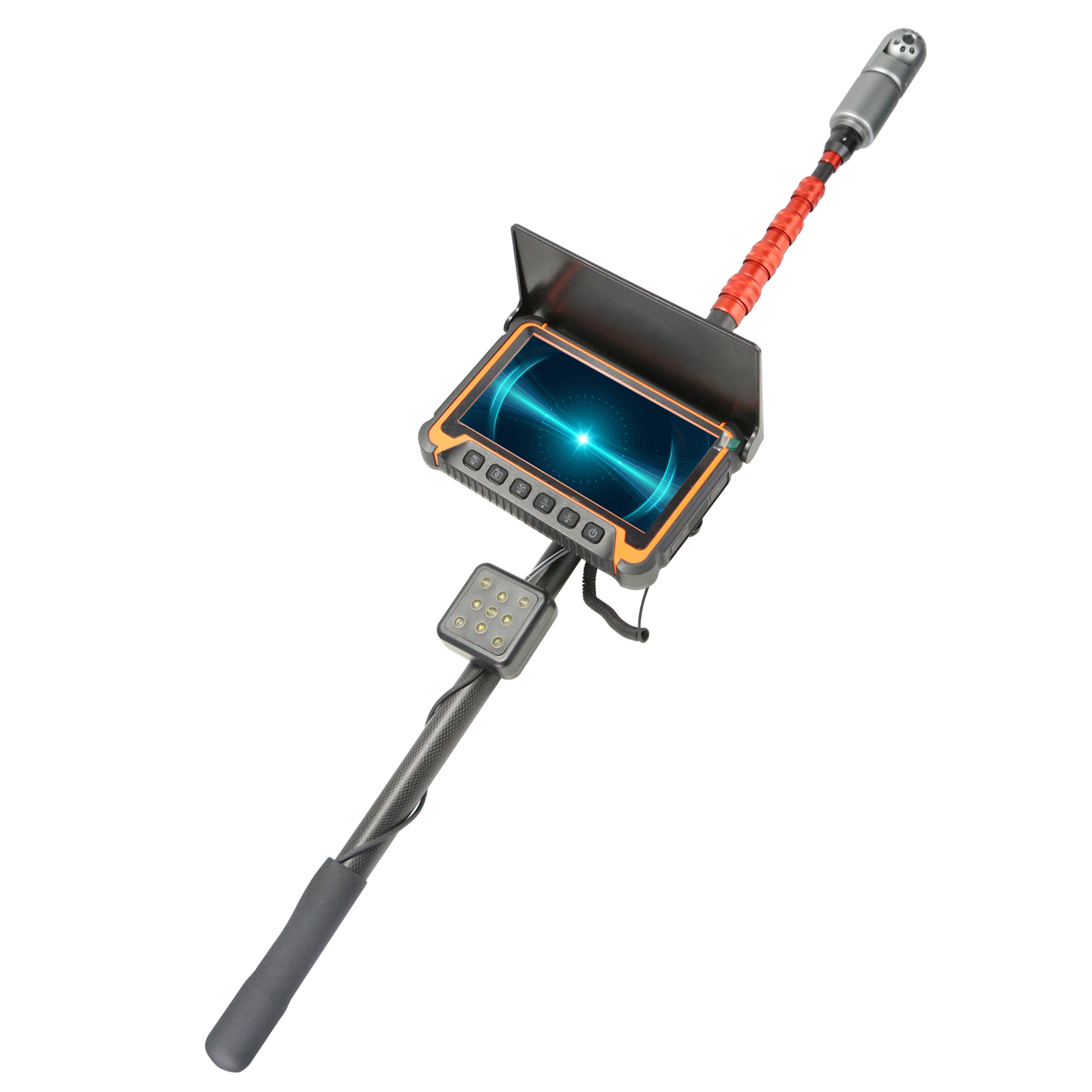
Why Retractable Inspection Camera Length Usable Reach
The Physics of Effective Penetration: Bend Radius, Friction, and Cable Memory
Most people find that the stated length of a retractable inspection camera doesn't quite match what they actually get when using it. There are basically three reasons why this happens. First there's the bend radius problem. This refers to how tightly a cable can turn before getting stuck somewhere. If the cable has to go around sharp corners or through narrow passages, it simply won't reach as far as claimed. Then we have friction issues. When the camera moves along inside pipes or ductwork, it rubs against the walls which slows things down considerably. Field tests show that this can cut into the maximum reach by about a quarter to almost a third depending on conditions. The third factor is something called cable memory. Basically, once a cable gets bent, it tends to stay bent to some degree. This creates extra resistance particularly when going around corners, making the cable snag more easily. All these factors combined explain why a camera advertised as reaching 3 meters usually only manages around 2.5 meters in actual practice within tight spaces.
Real-World Case: HVAC Duct Inspection — How 3m Claimed Length Delivered Only 1.8m of Functional Reach
An HVAC tech was checking out a home system recently when he tried to look inside a 3 meter long duct with his regular inspection camera. The camera only made it 1.8 meters before getting stuck though, which is about 40% short of what's listed on the box. There was quite a bit of dust buildup along the walls that added around 0.7 meters worth of extra friction. Plus there were two sharp right angle turns in the duct that caused the cable to coil back on itself, eating up another half meter due to how cables naturally want to curl. Field reports from other technicians show similar issues where complicated duct layouts can cut down usable length anywhere from 30% to 50%. If we want to get better results, most experienced pros recommend investing in cameras with special low friction coatings and looking for models specifically designed to resist memory retention problems in tight spaces.
Matching Retractable Inspection Camera Length to Application Requirements
Plumbing: 1–3m Probes with High Rigidity for Navigating P-Traps and Drain Bends
When looking at drain inspections, cameras that are between 1 to 3 meters long work best if they have good structural strength. The shorter length helps avoid getting stuck in cramped areas such as those P-trap sections under sinks, and the rigid construction gives better handling when navigating those tough 90 degree turns we all know so well in bathroom and kitchen drains. Most flexible inspection tools just get jammed up against hairballs or mineral buildup inside pipes. Rigid models handle these situations much better because they transfer rotational force more efficiently, making it easier to move around obstructions. According to data from ASSE International back in 2022, about 8 out of 10 household drain problems happen within two meters of where plumbers can actually reach them. So going for longer cables just creates extra hassle without really improving what we need to see during inspections.
HVAC: 3–6m Balanced Flexibility for Straight Runs and Moderate Branching
Getting good HVAC diagnostics right requires finding that sweet spot between too flexible and too stiff. The probe needs to bend around those gentle curves and branches in the system but still hold up when pushed through horizontal duct sections. Most technicians find that a semi rigid probe measuring somewhere between three to six meters does the trick pretty well. These can handle most straight runs of ductwork and actually push through moderately complex junctions without getting stuck. This is different from what we see in plumbing work where everything has to be super rigid. For HVAC though, having some controlled memory in the cable makes all the difference. It stops the cables from sagging down in those long stretches between vents which are typically spaced about four to five meters apart in commercial buildings. Some real world testing shows why length matters so much. Probes shorter than three meters tend to miss almost 37% of airflow blockages in regular rooftop units. And going over six meters creates problems too since there's about 50% more image distortion caused by the cable bending from friction as it moves through the ducts.
Wall & Structural Inspections: 5–10m Lightweight, Low-Friction Cables for Deep Cavity Access
When it comes to looking inside wall cavities, checking out stud bays, or inspecting those tricky structural voids, traditional tools just don't cut it anymore. That's why professionals are turning to micro diameter cameras now measuring around 4mm or less, capable of reaching depths from 5 to 10 meters. These specialized inspection tools come equipped with silicone coated sleeves and reinforced Kevlar cores specifically designed for tight spaces. The silicone coating helps these devices glide smoothly past insulation materials and wooden framing components without getting stuck. Their lightweight build makes all the difference when working vertically, as they won't sag or pull downward like heavier alternatives. For those deep residential cavity checks beyond 8 meters, these low friction systems can actually extend effective reach by nearly half compared to regular polymer cables on the market today. Another big plus? They work wonders for detecting moisture issues hidden between double brick walls where mortar joints tend to be inconsistent, something that shorter rigid probes simply cannot handle effectively.
Cable Design Factors That Define Practical Length Performance
Hybrid Construction: Kevlar Reinforcement + Shape-Memory Alloy Cores for Controlled Flex/Rigidity
The real measure of how far a cable can actually work isn't just about how long it looks on paper. Modern hybrid designs combine Kevlar reinforcement for strength against stretching with nickel titanium memory alloy cores that bend reliably every time they're used. When working through tight spaces like around corners or past obstacles, those Kevlar fibers stop the whole thing from snapping suddenly. Meanwhile, the special metal core keeps things from getting kinked up during sharp bends but still goes back to straight when needed. According to tests published last year in Materials Performance Journal, these 5 meter cables manage to get into walls with 92% effectiveness compared to regular plastic cables which only hit about 68%. That means almost a third better performance in practical applications.
Diameter vs. Target Geometry: Selecting 2.5mm (½"–2") vs. 6mm (4"–8") Probes for Optimal Guidance
Getting the cable diameter right matters a lot when it comes to fitting through tight spaces rather than just looking at total length. The slimmer 2.5mm probes really cut down on surface contact and resistance in those narrow spots. We've seen these smaller cables slash friction by about 40 percent inside HVAC ducts and drain pipes that are less than two inches across. That makes them pretty much perfect for checking out residential plumbing systems and those tiny little ducts found in older buildings. On the flip side, the thicker 6mm cables offer something different altogether. They give that extra backbone needed for bigger areas like chimneys, machinery enclosures, or industrial pipe runs where regular cables might buckle and lose control. There's always some give and take though between what works best for specific jobs versus general purpose use.
- 2.5mm cables: Lower resistance in tight bends but require slower, more deliberate advancement to avoid tangling
-
6mm cables: Greater resistance to buckling in vertical or straight runs, yet prone to binding in sub-3" curves
A 6mm probe rated for 5m may only achieve 3.5m functional reach in a 4" conduit with 90° bends—underscoring why diameter selection is foundational to realizing claimed length.
FAQ Section
Why doesn't the retractable inspection camera reach the advertised length?
The actual reach of a retractable inspection camera is affected by bend radius, friction, and cable memory. These factors can reduce the effective reach by up to a third in practice.
How can I improve the reach of my inspection camera?
Investing in cameras with low-friction coatings and those designed to resist cable memory can help increase effective reach. It's also important to choose the right cable based on your specific application requirements.
Which cable diameter is best for tight spaces?
The slimmer 2.5mm cables are ideal for fitting through tight spaces as they reduce surface contact and friction, especially in residential systems and small ducts.