
 EN
EN

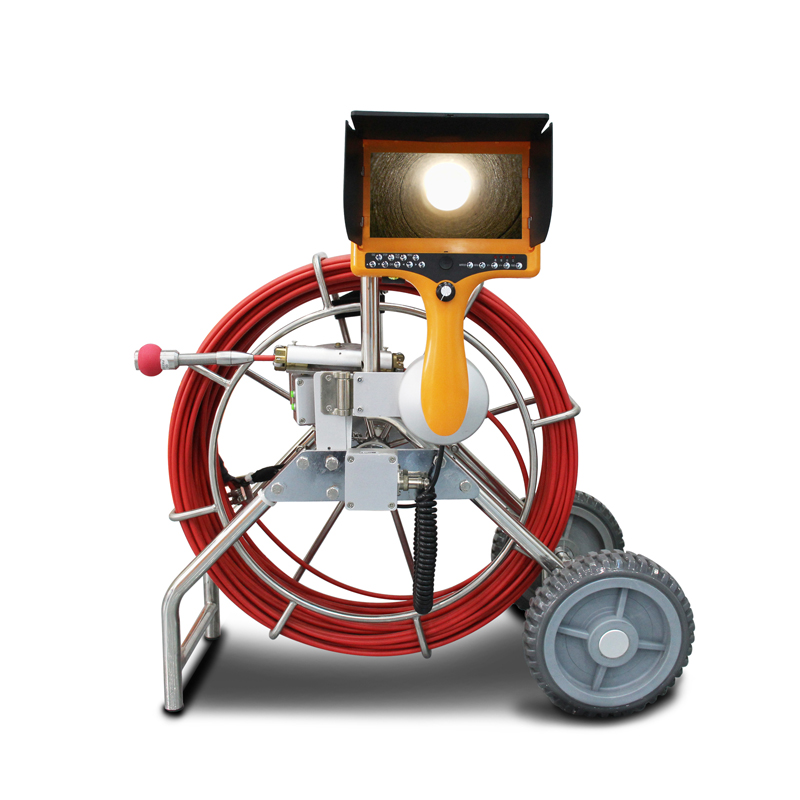
How Pipe Camera Technology Works: Core Components and Operational Principles
Pipe camera systems deliver precise, non-invasive internal pipe inspection by integrating specialized hardware and real-time video processing. These tools eliminate diagnostic uncertainty—providing direct visual confirmation of pipe conditions through surface access points alone.
Camera Head Design: Waterproof, Articulating, and LED-Illuminated for Clarity in Dark Pipes
At the heart of the system sits the camera head, basically what makes it all work. Inside this tough, waterproof housing (rated IP68 or better) lives a high resolution imaging sensor ready to capture every detail. What really stands out though is how it moves around. The articulating mechanism lets operators steer the camera completely around in 360 degrees. This matters a lot when going through those tricky bends, T junctions, and other obstacles where maintaining sight is essential. For lighting conditions that are practically pitch black, there are built in LED arrays that adjust brightness as needed. And don't worry about damage from scraping against rough pipe surfaces or flying debris because the lenses come with special coatings to resist scratches and impacts. Some top end versions even have environmental sensors onboard that record things like temperature changes, how much the camera tilts, and humidity levels while moving through pipes. These extra measurements give technicians valuable context beyond just what they see visually.
Cable System and Monitor Interface: Real-Time Video Transmission and On-Site Diagnostic Control
The cable used here is made from fiberglass reinforced with Kevlar, giving it just enough flexibility while still being strong enough for tough jobs. It does double duty by sending electricity to power the camera head while at the same time carrying crystal clear video back to the control box. Along the whole length of this cable, there are little markers that help technicians pinpoint exactly where problems occur, usually within about 15 centimeters either way. On the monitor side, everything's pretty straightforward to operate. Operators can move the camera around, adjust lights as needed, and take pictures when something looks suspicious. Plus, these screens stay readable even under direct sunlight, which makes all the difference when working outside. With this whole system running together, engineers can spot things like hairline cracks forming, track how much debris has built up over time, and catch weird flow patterns right away instead of waiting for reports later on.
Key Applications of Pipe Camera in Commercial and Municipal Infrastructure
Pipe cameras transform infrastructure maintenance by enabling targeted, minimally disruptive diagnostics across water, wastewater, stormwater, and commercial utility systems.
Detecting Blockages and Sediment Accumulation with Precision Flow Analysis
Pipe cameras help operators find what's blocking pipes without digging everything up. These cameras can spot things like built-up grease, mineral deposits, collapsed lining materials, and all sorts of organic stuff stuck inside. The high quality images show exactly how thick the sediment is and where it sits compared to the pipe size, which makes it possible to figure out how much the flow has been reduced. When engineers get real time data from these inspections, they know precisely where problems are located so they can send crews with hydro jetting equipment or mechanical cleaners right to those spots. Cities have seen their stormwater system clearances speed up by around 65% thanks to this technology, which means less chance of water backing up into streets during heavy rains. Businesses also benefit because they can plan maintenance work ahead of time instead of waiting until something breaks down and causes major disruptions to operations.
Identifying Structural Defects: Cracks, Root Intrusions, and Joint Failures
Articulating camera heads provide comprehensive coverage of pipe interiors—including joints, saddles, and lateral connections—revealing defects such as:
- Hairline fractures indicative of corrosion fatigue
- Root penetration compromising structural continuity
- Offset or separated joints causing infiltration/exfiltration
Laser scaling modules measure crack width and deformation to sub-millimeter precision, while optional thermal imaging detects subsurface moisture migration around compromised sections. According to peer-reviewed wastewater management studies, this level of diagnostic fidelity supports rehabilitation planning that extends asset service life by 8–12 years.
Why Pipe Camera Outperforms Traditional Inspection Methods
Eliminating Costly Excavation: Case Evidence from Sewer Rehabilitation Projects
Looking at underground pipes the old fashioned way usually means digging up roads, tearing through landscaping, and causing major headaches for businesses nearby. Most folks in the industry know that digging holes makes up around 60% of what it costs to fix up sewers. That's where those little pipe cameras come in handy. They let workers check out the inside of pipes without all the mess, just using access points already there like cleanouts or manholes. According to numbers from the Water Environment Federation, skipping the big digs can cut down on both figuring out what's wrong and fixing it by about 70%. Take a look at what happened in three medium sized cities last year. When they used camera tech instead of traditional methods, they saved roughly $740k per mile of sewer work. The money came back because crews could target exactly where problems were based on what the cameras showed them.
Higher Diagnostic Accuracy and Faster Decision-Making vs. Acoustic or Smoke Testing
Listening devices that pick up sounds and smoke tests that look for leaks are basically guessing games when it comes to figuring out if pipes are intact. They just don't have the detail needed to tell the difference between minor surface issues and serious structural problems that could cause major failures. Pipe cameras change everything though. These tools give super detailed visuals down to the millimeter level, showing all sorts of problems we can't see otherwise like tiny cracks forming, roots growing deep into joints, gaps between pipe sections, and layers of sediment building up over time. The American Society of Civil Engineers did some field checks and found that cameras get things right about 98% of the time compared to only around 72% accuracy with those older methods. Traditional approaches often take days to interpret results and need multiple follow-up checks, while pipe camera videos let crews act immediately on what they see. Municipalities report cutting down downtime by almost half in their wastewater systems after switching to camera inspections instead of waiting weeks for test results.
FAQs
What are the main components of a pipe camera system?
A pipe camera system consists primarily of a camera head, an articulating mechanism, LED illumination, a cable system, and a monitor interface for real-time video transmission and control.
How do pipe cameras assist in identifying pipe blockages?
Pipe cameras provide high-quality images showing the exact nature and location of blockages, allowing for precise analysis of flow reduction and targeted cleaning.
What advantages do pipe cameras offer over traditional inspection methods?
Pipe cameras offer non-invasive inspection, higher diagnostic accuracy, cost savings by eliminating excavation, and faster decision-making based on real-time video data.