
 EN
EN
Material and Structural Design for Extreme Borehole Conditions
Stainless Steel Casings and Corrosion-Resistant Coatings
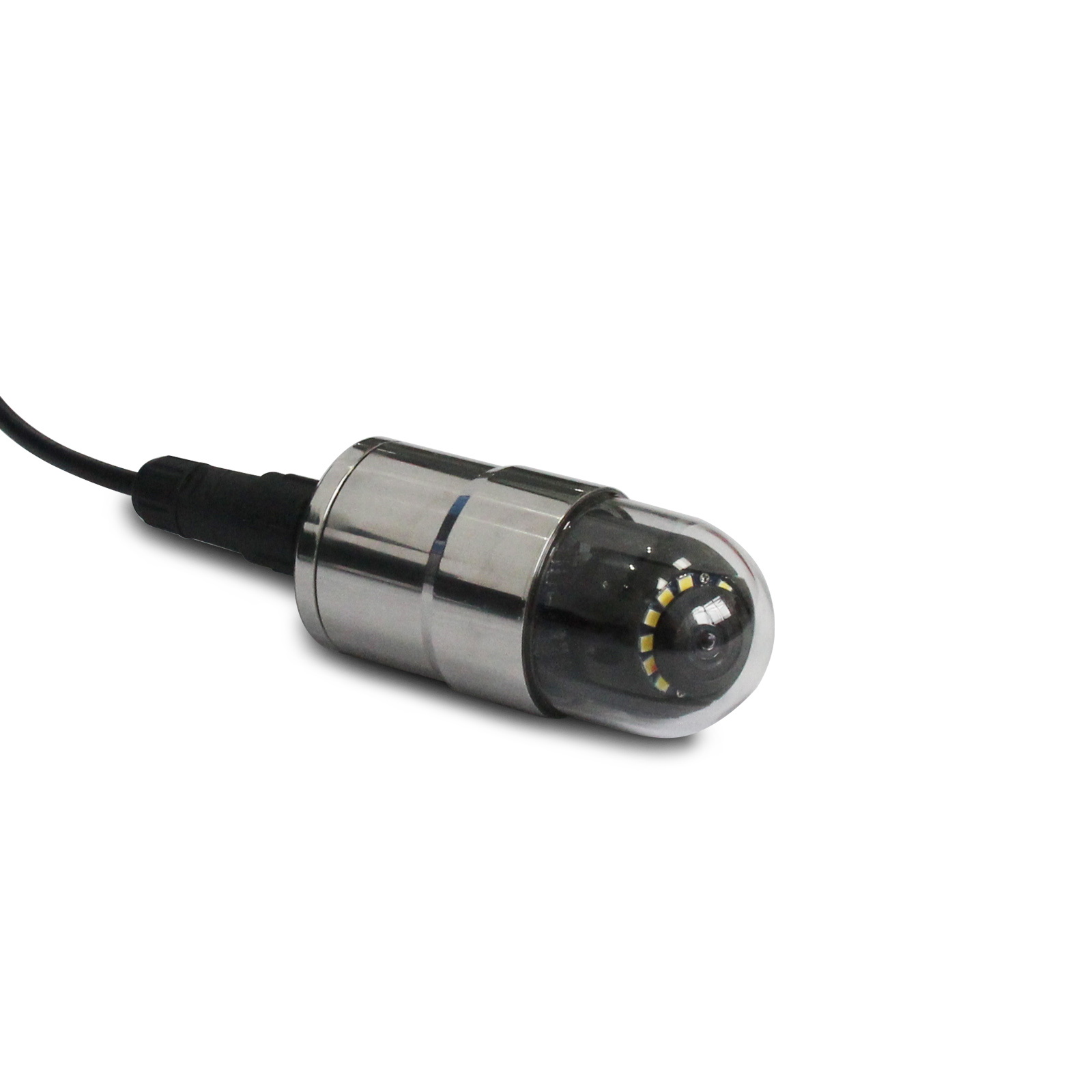
What keeps borehole cameras working for years comes down to choosing the right metal. Most manufacturers go with austenitic stainless steel grades such as 316L for underground tools because these materials have a special mix of chromium, nickel and molybdenum that fights off corrosion from saltwater in geothermal environments. The steel holds up well even when exposed to very acidic conditions found in many mines where pH levels drop below 4, plus it works reliably at temperatures over 150 degrees Celsius. Some companies also apply advanced ceramic or polymer coatings on top of the metal surface. These coatings create water-repelling layers that stop hydrogen sulfide from getting through and protect against damage from gritty sediments scraping against the equipment. Field tests show this combination method cuts down on failures caused by chemical breakdown by around two thirds compared to regular carbon steel parts. This has been confirmed using standard ASTM G31 testing procedures in laboratory settings.
Thermal, Pressure, and Sealing Standards (IP68, NEMA 6P, ISO 13628-5)
Engineering standards go well beyond just picking materials when it comes to making sure equipment survives tough conditions. Take IP68 ratings for instance they keep out all dust and water even when submerged deeper than 1000 meters underwater. Then there's NEMA 6P certification which means the gear can handle being hosed down in those really dirty mining operations where mud is everywhere. When working in geothermal fields or oil wells under pressures over 5000 psi, engineers rely on ISO 13628-5 standards for special optical seals and connectors that stop sensors from getting flooded. The specs also require testing how equipment handles temperature swings from minus 20 degrees Celsius right up to plus 175 degrees, simulating what happens when bringing instruments back quickly from super hot underground areas. Following these three main standards cuts down field problems caused by environmental factors by around 92%, according to industry data.
Environmental Stressors That Challenge Borehole Camera Longevity
Borehole cameras must withstand extreme subsurface conditions that accelerate degradation. Research shows environmental stressors increase failure rates by 40% compared to controlled settings (Journal of Industrial Engineering, 2023).
High-Pressure Degradation: Optical Seal Failure and Sensor Compression Beyond 5,000 PSI
At depths exceeding 1,500 meters, pressures over 5,000 PSI collapse standard housings and deform optical seals distorting lens alignment and blurring fracture imaging. Cyclic compression ruptures diaphragm seals, causing sensor drift and erroneous data in geothermal or oilfield applications. Mitigation relies on reinforced titanium alloys and pressure-equalization systems rated for 10,000 PSI.
Moisture, Acidic Fluids, and Abrasive Sediments in Geothermal and Mining Boreholes
Groundwater with high sulfur content and pH below 3 eats away at copper wiring over time. Meanwhile, sediment loaded with silica particles can wear down lens coatings at rates approaching half a millimeter per hour inside mine tunnels. Down in geothermal drilling operations, steam reaching around 300 degrees Celsius finds its way through tiny cracks in seals, which often leads to electrical shorts. Industry reports show that when equipment isn't properly sealed with standards like IP68 or NEMA 6P, cameras tend to fail much sooner under these harsh conditions, sometimes lasting only 40% as long as they should. The smartest approaches now incorporate tough materials like sapphire for viewing ports and special coatings that repel water molecules, helping protect against both chemical corrosion and abrasive particle damage.
| Stressor | Impact on Borehole Camera | Mitigation Strategy |
|---|---|---|
| High Pressure (>5k PSI) | Housing deformation, sensor drift | Titanium reinforcement, pressure balancing |
| Acidic Fluids (pH<3) | Circuit corrosion, seal degradation | PTFE seals, gold-plated connectors |
| Abrasive Sediments | Lens scratching, cable jacket erosion | Sapphire optics, urethane sheathing |
Cameras lacking these protections fail within 50 deployments; engineered models achieve 500+ cycles under comparable conditions.
Mechanical Deployment Realities: How Operational Use Impacts Borehole Camera Durability
Probe Diameter Constraints and Cable-Induced Bending Stress During Logging
Probes with small diameters encounter serious mechanical stress when working in narrow boreholes below 50 mm internal diameter. When lowering the borehole camera down the hole, side forces caused by crooked well paths create concentrated bending stress right where the probe meets the cable. According to simulations done underground, these stresses sometimes reach over 15% of what the materials can actually handle before failing. The repeated bending creates tiny cracks in the welds around the housing and eventually breaks down the optical seals. Some manufacturers try to solve this problem using tapered strain relief designs and flexible polymer coatings, but there's only so much protection possible when working with smaller diameters. Looking at real world field reports, equipment under 35 mm tends to fail from stress issues about 30% more often compared to bigger units operating in exactly the same geological conditions.
Reel Tension, Winch Dynamics, and Repeated Insertion/Retrieval Fatigue
The way winches accelerate affects how much wear and tear builds up over time. When winches start and stop suddenly during retrieval, they create massive tension spikes in the cables sometimes reaching double what's normal. These sudden forces cause something like whiplash inside the equipment, eventually breaking circuit boards after about 500 cycles based on special tests called ALT. Modern solutions include winches with programmable soft starts and capstans designed to prevent snagging, which spreads out the load better across different parts of the cable. Still, problems persist with metal fatigue at the connector pins. Mines typically have to replace these connectors roughly every 50 times they deploy them because repeated stress changes the crystal structure of the metal. New spring-loaded contacts are helping though, extending the time between breakdowns by around 40 percent even when working in really harsh conditions filled with dust and debris.
Validating Durability: Testing Protocols and Field-Backed Performance Metrics
Accelerated Life Testing (ALT) and ASTM B117 Salt Fog Benchmarks
To test how equipment holds up over many years in boreholes, manufacturers use something called Accelerated Life Testing (ALT). This involves subjecting components to extreme conditions including repeated temperature changes, intense pressures, and soaking them in corrosive fluids. One important test follows the ASTM B117 salt fog standard which checks if camera housings can withstand damage from saltwater environments. According to industry standards set by ISO 13628-5, these devices need to last at least 1,000 hours without showing signs of corrosion or electrical problems before they're considered ready for offshore deployment. When units maintain their optical clarity within just 5% deviation even after being exposed to salt spray tests, it means they effectively block seawater from getting into sensitive areas of underwater drilling operations.
Real-World Failure Mode Analysis from Oilfield and Environmental Monitoring Deployments
Looking at field data across geothermal sites and oilfields shows some pretty clear trends when it comes to equipment failures. For instance, around six out of ten lens failures in mining operations are caused by abrasive sediment buildup over time. Meanwhile, hydrogen sulfide corrosion is responsible for roughly seven out of every ten sensor problems we see in those sour gas wells. When engineers go through all those retrieval logs and maintenance records, they tend to spot common trouble spots like cable glands or O-ring seals that just don't hold up under pressure. This kind of empirical mapping really helps guide redesign efforts. Take the Arctic permafrost monitoring project last year for example. Simply adding extra thickness to the chromium plating at various joint interfaces cut down on corrosion-related repairs by about forty percent compared to previous seasons.
FAQ Section
What materials are resistant to corrosion in borehole environments?
Austenitic stainless steel grades like 316L, advanced ceramic or polymer coatings, and special coatings that repel water molecules are resistant to corrosion in borehole environments.
How does pressure impact borehole cameras?
High pressure can cause housing deformation and sensor drift. Mitigation strategies include using titanium reinforcement and pressure balancing systems.
What are the standard certifications for borehole cameras?
IP68, NEMA 6P, and ISO 13628-5 are the standard certifications that ensure the equipment can withstand harsh conditions such as dust, water, high pressures, and extreme temperatures.
How is durability tested for borehole equipment?
Durability is tested using Accelerated Life Testing (ALT) and ASTM B117 salt fog benchmarks to simulate extreme environmental conditions and ensure the equipment's longevity and functionality.
Table of Contents
- Material and Structural Design for Extreme Borehole Conditions
- Environmental Stressors That Challenge Borehole Camera Longevity
- Mechanical Deployment Realities: How Operational Use Impacts Borehole Camera Durability
- Validating Durability: Testing Protocols and Field-Backed Performance Metrics
- FAQ Section