
 EN
EN

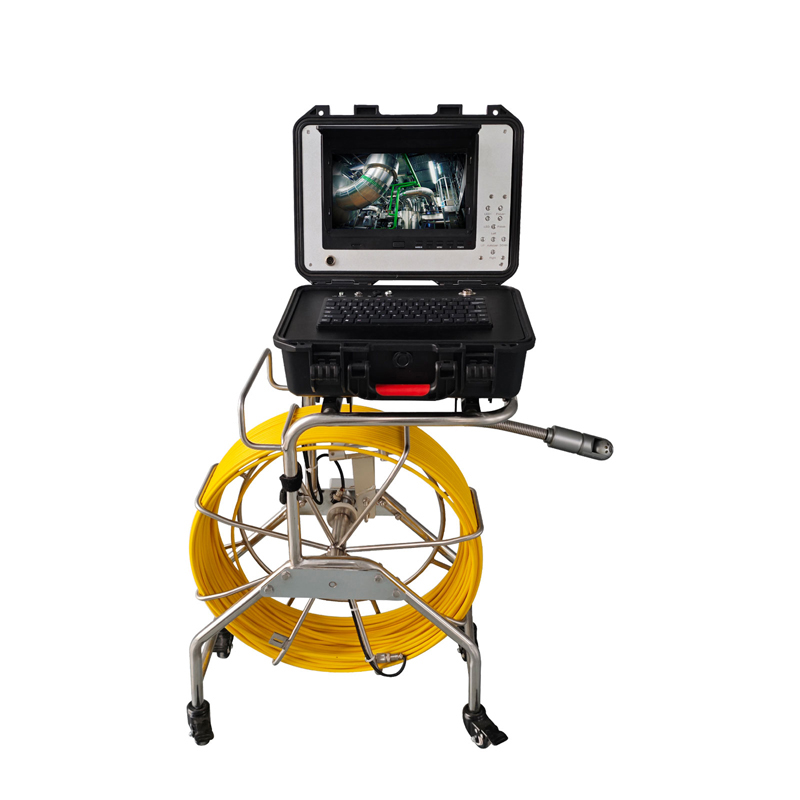
How Sewer Pipe Cameras Work: Core Technology and Real-Time Inspection Capabilities
Imaging Systems, Low-Light Performance, and Waterproof Design for Challenging Underground Conditions
Today's sewer inspection cameras come equipped with decent resolution sensors ranging from 720p all the way up to 1080p, paired with those wide angle lenses that help spot even tiny cracks and blockages down there in the pipes. When working in pitch black conditions, particularly in really deep or flooded sections that can run as far as 300 meters underground, these advanced models pack powerful LED lights that blast out around 10,000 lux of brightness. The camera itself sits inside a waterproof casing rated well above IP68 standards, so it can handle water pressure deeper than 10 meters underwater and still resist damage from hydrogen sulfide gas, which tends to build up naturally in older sewage systems over time.
The key reliability components for these systems typically involve nitrogen purged lens seals along with hydrophobic coatings that stop fogging issues. There are also motorized pan tilt mechanisms which allow complete 360 degree movement even when there are bends or obstacles in the way. Plus we get real time telemetry data that shows depth measurements, distances, and orientation right on top of the video feed itself. According to a recent wastewater infrastructure report from 2023, roughly 78 percent of city workers actually rank these built in features as their top priority because they cut down on needing to do multiple inspections and boost overall confidence in diagnostics.
Push Rod vs. Robotic Crawler Systems: Matching Camera Deployment Method to Pipe Size and Access Constraints
Deployment method must align with pipe diameter, condition, and access points:
- Push rod systems use semi-rigid fiberglass cables (15–100m) for rapid insertion into 1.5–4" pipes via cleanouts—ideal for residential diagnostics where flow is minimal and debris is light.
- Robotic crawlers, equipped with track-driven mobility and articulating camera heads, navigate complex 6–48" commercial and municipal lines, overcoming sediment, steep vertical drops (>45°), and partial blockages.
While crawlers reduce inspection time by 40% in large-diameter pipes, they require roughly twice the setup time versus push rods. Selecting the right system prevents operational delays: crawlers excel in obstructed, high-risk environments; push rods deliver speed and simplicity for small-scale, accessible lines.
Detecting Critical Defects with a Sewer Pipe Camera: Cracks, Roots, Corrosion, and Misaligned Joints
Visual Identification and PACP/MACP-Compliant Classification of Common Sewer Defects
Sewer pipe cameras enable unambiguous visual identification of structural threats—including hairline cracks, root intrusions, wall thinning from corrosion, and misaligned or offset joints. High-resolution imaging resolves sub-millimeter fractures, while adjustable LED lighting exposes subtle degradation like pitting, mineral scaling, or biofilm buildup in low-visibility conditions.
PACP (Pipeline Assessment Certification Program) and MACP (Manhole Assessment Certification Program) protocols standardize defect documentation across municipalities and contractors. This ensures consistent severity scoring, regulatory compliance, and data interoperability for asset management systems. For example:
| Defect Type | Visual Indicators | PACP Severity Scale |
|---|---|---|
| Root Intrusion | Fibrous masses protruding at joints | 1–5 (based on density/blockage %) |
| Corrosion | Pitting, localized wall thinning | 1–4 (depth of material loss) |
| Crack | Linear fracture patterns | 1–5 (length — width — risk context) |
This structured classification eliminates subjective interpretation and supports objective repair prioritization.
AI-Powered Analytics: Enhancing Root Intrusion and Structural Degradation Detection Accuracy
Smart analytics powered by AI can analyze live video streams and spot problems that human eyes might miss completely. Think things like tiny root hairs just starting to form, hairline cracks too small to see without magnification, or those subtle signs of corrosion that hint at bigger issues down the road. These systems learn from tons of real world defect photos that experts have already checked and confirmed. The machine learning models then compare what they see visually with all sorts of background information about the pipes themselves - stuff like what kind of material was used, how old they are, even details about the surrounding soil chemistry. Based on this combination of factors, the system calculates how likely a failure is going to happen soon and suggests when maintenance should actually happen.
For instance, AI distinguishes inert mineral deposits from active corrosion by analyzing surface reflectivity, granularity, and edge contrast—improving crack detection accuracy by up to 40% compared to manual review alone. These insights enable proactive rehabilitation planning, reducing emergency repairs and extending service life without costly excavation.
Selecting the Right Sewer Pipe Camera: Key Technical and Operational Criteria
IP Ratings, H₂S Resistance, Battery Life, and Cable Length—Prioritizing Durability and Field Usability
Durability isn’t optional—it’s foundational. Choose a system with true IP68-rated ingress protection to ensure uninterrupted operation during extended submersion in flooded mains. Equally vital is certified H₂S resistance: untreated electronics degrade rapidly in sulfur-rich environments common in older sewer networks.
The battery needs to last for around six straight hours during field work so inspectors don't have to stop halfway through their checks. The cable length is another important factor too. It should be about 20% longer than what's normally needed because real world conditions often involve all sorts of bends and offsets that can mess with the signal quality. Most cities find that cables between 100 to 300 feet work best for their day to day operations. Getting this right means fewer interruptions when things go wrong with equipment, which saves money over time. When assessing vital infrastructure systems, making sure these specifications are met makes all the difference in maintaining consistent performance across different inspection sites.
Why Invest in a Sewer Pipe Camera? Quantifying Safety, Cost, and Efficiency Gains
Sewer pipe cameras have changed the game for plumbers and city workers alike. Instead of digging blind holes all over yards and streets, these high-tech tools let technicians see exactly what's going on inside pipes without tearing things apart. They can spot cracks, tree roots creeping into lines, and faulty joints down to the millimeter. No more random digging through nice lawns or expensive driveway surfaces. Cities are saving big bucks too. Some places claim they spend around 60% less money fixing problems because they don't need to do all that exploratory digging anymore. And according to research from the Ponemon Institute back in 2023, when sewers fail without being detected first, it tends to cost about $740k on average. That kind of money adds up fast across entire communities.
Beyond immediate savings, real-time video analytics enable predictive maintenance—flagging minor issues before they evolve into catastrophic collapses. Municipal case studies show this proactive strategy extends pipeline service life by 15–20 years, reduces emergency dispatch frequency by over one-third, and optimizes resource allocation across aging infrastructure portfolios.
FAQ
How do sewer pipe cameras withstand harsh conditions?
Sewer pipe cameras come with waterproof casings rated above IP68 standards and resistant to hydrogen sulfide gas, ensuring functionality even in deep and flooded sections.
What are the main deployment methods of sewer pipe cameras?
The main deployment methods are push rod systems, ideal for small pipes, and robotic crawlers, suitable for larger and complex pipelines.
How do AI-powered analytics help in sewer inspections?
AI analytics can detect defects like root intrusions and corrosion that may be missed by human eyes, improving detection accuracy and maintenance predictions.
Why is it important to select the right sewer pipe camera specifications?
Choosing the correct specifications, such as IP ratings and cable length, ensures the camera's durability and efficiency in varying inspection environments.
Table of Contents
-
How Sewer Pipe Cameras Work: Core Technology and Real-Time Inspection Capabilities
- Imaging Systems, Low-Light Performance, and Waterproof Design for Challenging Underground Conditions
- Push Rod vs. Robotic Crawler Systems: Matching Camera Deployment Method to Pipe Size and Access Constraints
- Detecting Critical Defects with a Sewer Pipe Camera: Cracks, Roots, Corrosion, and Misaligned Joints
- Selecting the Right Sewer Pipe Camera: Key Technical and Operational Criteria
- Why Invest in a Sewer Pipe Camera? Quantifying Safety, Cost, and Efficiency Gains
- FAQ