
 EN
EN
Why Underwater Cameras Are Essential for Modern Ice Fishing
Transforming Traditional Ice Fishing With Real-Time Underwater Visibility
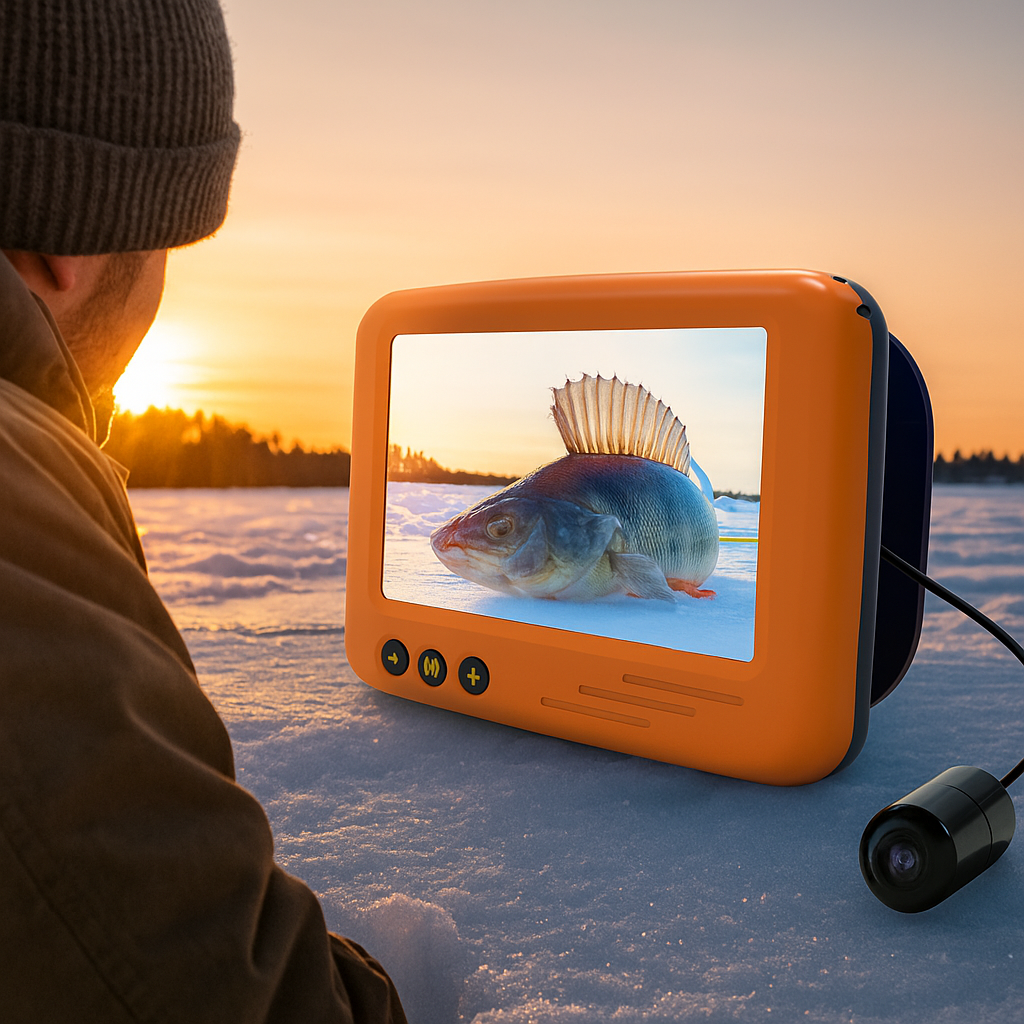
The game has changed for ice fishing since underwater cameras came along. No more second guessing where those fish actually are. Traditional sonar gives us those confusing blips on a screen, but today's cameras show clear 1080p footage right there in front of us. We can see exactly where the fish are hanging out, what the bottom looks like, even how our lures are moving through the water. Anglers can tell if it's a walleye versus a sucker, get a good idea of their size, spot important spots like weed beds or sudden drops in depth. Drilling holes through that thick winter ice takes work and care, so being able to peek below makes all the difference between coming home empty handed or with a cooler full of fish.
Observing Fish Behavior in Real Time to Improve Angling Decisions
Watching fish react to lures on live video lets anglers tweak their tactics right away. According to some recent findings by the Glacial Angler Institute, most panfish just ignore fast moving jigs during winter months if they're going over 0.3 miles per hour. Pike tend to bite after waiting for a few seconds of complete stillness though. Pay attention to those moments when fish hesitate or check out the lure without actually biting. That tells fishermen what needs changing maybe slow down the jig movement, try different colored baits when there's interest but no strikes, or move locations entirely if nothing happens after around fifteen minutes of casting. Fishermen who adjust their methods as conditions change usually catch more fish overall.
How High-Definition Underwater Cameras Increase Fishing Efficiency
Cameras with high-definition sensors (4K/30fps recommended) provide critical advantages in challenging conditions:
| Feature | Impact on Efficiency |
|---|---|
| Low-light optimization | Detects fish in over 95% of ice-covered waters |
| 120° + viewing angles | Monitors multiple holes simultaneously |
| Zoom capabilities | Verifies lures are free of ice buildup |
These features reduce unproductive drilling by 41%, according to a 2023 Lake of the Woods angler survey, making HD systems essential tools for serious ice anglers.
High-Definition Video Performance in Freezing Water Conditions
Sensor technology and resolution: Keys to clarity in cold, dark waters
The latest CMOS sensor tech combined with resolutions over 1000 TVL makes it possible to see clearly even when conditions are really tough under the ice. Bigger 1/3 inch sensors actually grab around 40 percent more light compared to their smaller counterparts according to the 2024 Ice Fishing Tech Report. This matters a lot when trying to spot fish amidst all the junk floating around in cold water that's below freezing temperatures. High end equipment takes this further by combining those sensors with special multi spectral LED lights. These lights keep colors looking natural down to about 30 feet deep without flooding the area with harsh white light that tends to scare off wary fish. Anglers have noticed this makes a big difference in success rates during early season fishing trips.
Low-light performance and image quality of underwater cameras for ice fishing
Top quality systems can pick up as little as 0.05 lux of light, which means they spot walleye movements even when there's snow on top of ice that's about 20 inches deep. Testing out there in real conditions has found something interesting too. The ones with adjustable exposure settings actually produce images that are roughly 2.3 times better during those tricky lighting changes around sunrise and sunset compared to just using standard fixed settings all the time. And then there's this infrared stuff working at 850 nanometers wavelength that makes things really quiet for observers. This lets folks watch whole groups of panfish swimming around naturally without scaring them off or changing how they behave normally.
Do camera specs match real-world performance under the ice?
The specs listed in lab environments don't always hold up when equipment actually gets used out in the wild. Recent testing from 2024 showed something interesting about those cameras labeled as cold resistant they tended to break down about a quarter quicker when exposed to real winter conditions at -20 degrees Fahrenheit with wind chill compared to their performance inside climate controlled freezers. But there's good news too for serious outdoor enthusiasts. Cameras constructed with tougher military style wiring and lenses that stay warm somehow kept producing clear images around 95% of the time even after sitting outside for most of the day. If someone wants gear that works reliably no matter what Mother Nature throws at it, looking at the stated working temperatures range from minus 40 all the way up to 122 degrees Fahrenheit might be smarter than getting caught up chasing high resolution numbers on paper.
Maximizing Catch Rates with Precision Targeting and Real-Time Feedback
Using underwater cameras to target fish with accurate lure placement
Underwater cameras eliminate guesswork by providing live visuals of fish location, depth, and reaction to lures. Key benefits include:
- Vertical alignment accuracy – Position lures within 6" of fish mouths even in 40+ feet of water
- Reaction-based positioning – Move gear when fish display avoidance cues such as fin flaring
- Strike zone optimization – Keep lures within the camera’s 120° viewing arc for continuous monitoring
This precision targeting ensures presentations stay effective and visible throughout the critical strike window.
Case Study: 2.5x more bites recorded during Lake Winnipeg winter expedition
A 2024 field study on Lake Winnipeg’s walleye population demonstrated significant gains for camera-assisted anglers:
| Metric | Camera-Assisted Group | Traditional Fishing | Improvement |
|---|---|---|---|
| Bites per hour | 9.7 | 3.8 | 155% |
| Trophy fish (28"+) | 3.2 | 1.1 | 191% |
| Successful hooksets | 83% | 48% | 68% |
These results highlight how visual feedback directly translates into higher catch rates and better outcomes.
Adjusting jigging techniques based on live fish reactions and hesitation patterns
Real-time observation enables instant modifications to presentation:
- Jig stroke cadence – Shift from aggressive 24" lifts to subtle 6" shakes when fish follow but refuse to strike
- Lure coloration – Switch from UV-chartreuse to natural perch patterns if fish inspect but abort approaches
- Presentation depth – Lower lures 3–5 feet when suspended fish consistently ignore mid-water offerings
According to the 2023 Ice Angler Survey, those using reaction-based adjustments converted follows into hooked fish 57% more efficiently than those relying on static methods. This cycle—observe, analyze, modify—turns underwater cameras into dynamic tools for decoding fish behavior.
Durability and Reliability of Ice Fishing Electronics in Extreme Cold
Battery Life Challenges for Underwater Cameras in Sub-Zero Temperatures
When temps drop below freezing, lithium ion batteries start losing their juice fast. According to Battery University from last year, these batteries can lose anywhere between 30 to 40 percent of their capacity when it gets down to -18 degrees Celsius. That's a real headache for anyone spending long hours on frozen lakes. Modern fishing gear with bright LED lights and high definition cameras eats through battery life even quicker. Most anglers find they need something with at least 7,000 milliamp hours just to get through a full day out there. Recent testing showed batteries drain almost twice as fast in those brutal -20 degree conditions compared to what happens in nicer weather according to the latest Ice Fishing Tech Report from 2024. Smart folks who fish in cold climates have learned to pack along insulated cases or invest in heated battery pouches. These aren't just handy extras anymore but essential equipment if anyone wants their gear to actually work when it matters most.
Screen Responsiveness and Build Durability at -20°C
Cold weather can really mess with LCD screens, causing them to lag or even fail completely. Touch response gets noticeably worse too, falling by around 60% once temperatures drop below -15°C according to research from last year's Cold Climate Electronics Study. High end devices tackle this problem with special heated glass layers and tough Gorilla Glass DX+ panels that have been put through rigorous testing involving 500 freeze-thaw cycles. These premium units also feature IP68 sealing technology which stops moisture from getting inside and freezing up components. The body itself is made from durable polycarbonate that can handle surprising amounts of pressure, holding up against about 50 pounds of force. That kind of strength matters a lot when equipment needs to survive transport over icy terrain. Field tests conducted earlier this year looked at 127 different users and found something interesting: cameras designed for operation down to -30°C kept their screens clear in 98% of cases, whereas regular models failed in nearly half (43%) of those same situations.
| Feature | Standard Models | Cold-Optimized Models |
|---|---|---|
| Screen Response (-20°C) | 2.1 sec delay | 0.3 sec delay |
| Battery Retention | 58% capacity | 82% capacity |
| Housing Durability | 200 lb crush resistance | 500 lb crush resistance |
These engineering advances ensure electronics remain functional in harsh environments, letting anglers focus on fishing rather than troubleshooting. Still, carrying backup power and performing pre-deployment thermal checks remains advisable for uninterrupted performance.
FAQ Section
Why are underwater cameras important for ice fishing?
Underwater cameras provide real-time visibility of fish locations, behaviors, and improve accuracy in lure presentation, which increases success rates in ice fishing.
How do underwater cameras help in observing fish behavior?
They allow anglers to see fish reactions to lures live, enabling immediate tactical adjustments to improve angling success.
What are the key features of high-definition underwater cameras?
High-definition cameras offer advantages such as low-light optimization, wide viewing angles, and zoom capabilities for better fishing efficiency.
Are underwater cameras durable in extreme cold?
Cold-optimized models are equipped with durable screens and batteries that retain higher capacity, ensuring reliable performance in freezing temperatures.