
 EN
EN
Why Borehole Cameras Are Critical for Mining Safety and Efficiency
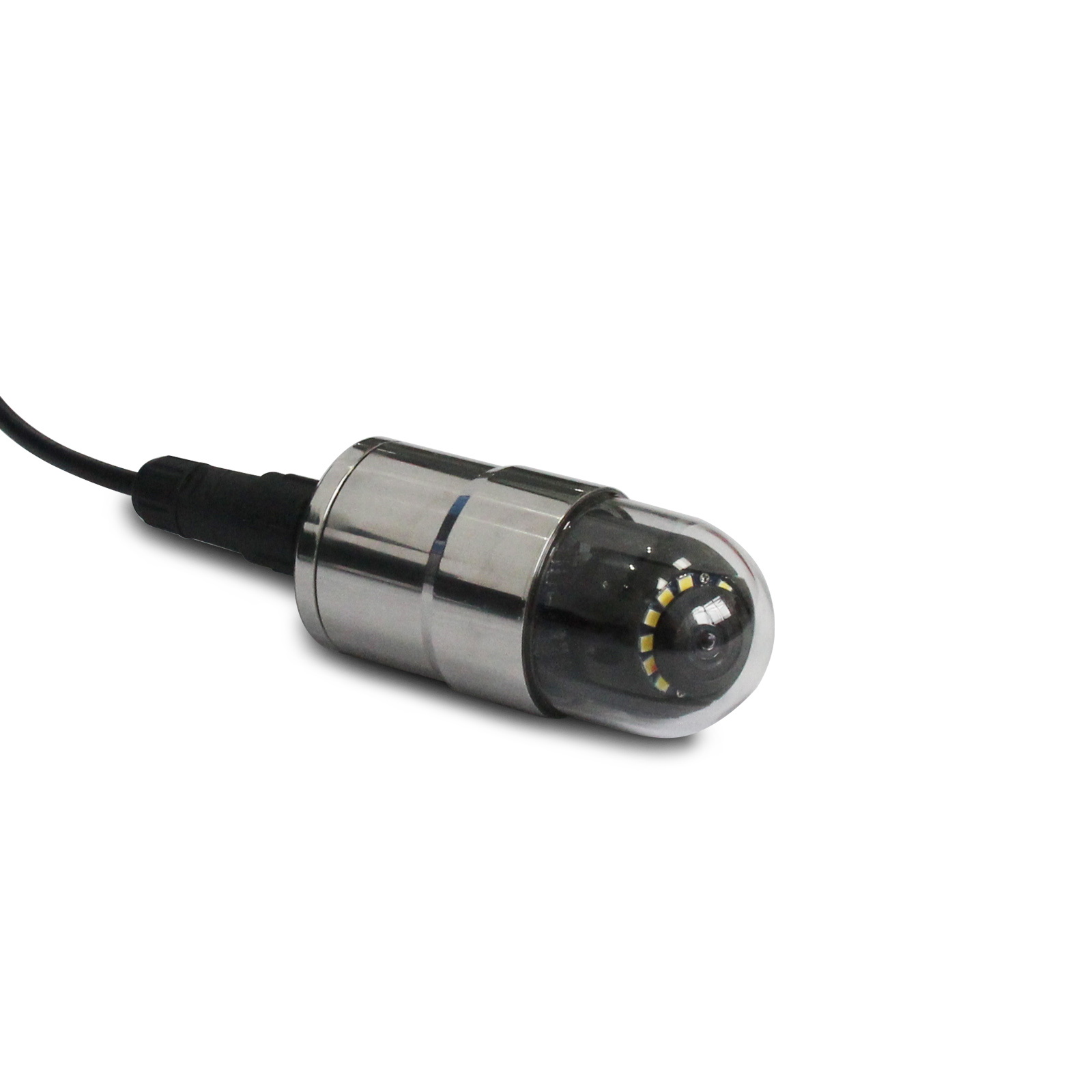
Mining operations face inherent hazards like rockfalls, structural failures, and gas leaks—demanding constant vigilance to protect workers. With cave-ins alone causing nearly 50% of all workplace fatalities in underground mining (NIOSH 2022), proactive hazard identification isn’t optional—it’s a moral and economic imperative. Deploying a borehole camera transforms this challenge by enabling real-time visual inspection of high-risk zones without human entry. These systems capture millimeter-scale fractures, sediment buildup, or structural weaknesses in shafts or stopes, allowing engineers to detect instability before it escalates. For example, identifying a hairline fracture via downhole imaging can trigger timely reinforcement—preventing a collapse that might cost $740k per structural incident (Ponemon 2023). Beyond safety, the efficiency gains are profound: rapid fracture mapping reduces inspection time by up to 70% compared to manual methods, while real-time lithology analysis accelerates resource targeting. This dual impact—mitigating life-threatening risks and slashing operational delays—makes borehole cameras non-negotiable for modern, responsible mining.
Key Technical Requirements for Mining-Grade Borehole Cameras
Selecting borehole cameras for mining operations demands specialized engineering to withstand extreme conditions while delivering actionable data. Off-the-shelf solutions often fail under mining’s unique stressors, making purpose-built specifications non-negotiable for reliability.
Ruggedized Design for Harsh Underground Environments
Underground mining subjects equipment to impacts, moisture, and corrosive elements. Mining-grade cameras require:
- IP68-rated waterproof housings to prevent flooding at depths exceeding 300 meters
- Stainless steel or titanium shells resisting acid/alkaline groundwater corrosion
- Temperature tolerance from -10°C to +60°C for thermal stability in ventilated and unventilated shafts
- Vibration-dampened internal components to maintain image clarity during drilling or blasting nearby
Without these protections, camera lifespan plummets—mid-tier systems lacking robust engineering average 18-month replacement cycles according to reliability studies.
Optimized Geometry and Deployment for Confined, Non-Vertical Holes
Accessing ore bodies often requires navigating narrow, angled boreholes where standard probes fail:
- Slim diameters (28–45 mm) to fit exploratory holes as small as 50 mm ID
- Kevlar-armored tethers with depth counters (±0.1 m accuracy) for precise fracture mapping
- Pan-tilt-zoom mechanisms capturing 270° views in deviated holes
- Modular weight systems balancing buoyancy in flooded shafts
Traditional cylindrical cameras struggle beyond 15° deviations, while mining-optimized designs maintain image stability at 45° inclinations—critical for assessing slip-prone strata.
Core Inspection Capabilities: Fracture Mapping, Lithology ID, and Real-Time Monitoring
High-Fidelity Optical Imaging for Rock Mass and Fracture Characterization
Modern borehole cameras provide sub-millimeter optical resolution critical for characterizing rock mass integrity and fracture networks. High-fidelity imaging captures subtle discontinuities and structural patterns imperceptible to conventional methods, enabling precise fracture density calculations crucial for stability analysis. Advanced lenses with auto-focus capabilities maintain clarity on uneven borehole surfaces, while 360° panoramic stitching creates comprehensive geotechnical maps. This allows engineers to differentiate between natural fractures and blast-induced damage—a distinction vital for hazard assessment. Projects using high-resolution optical logging reduced reinforcement costs by 18% through targeted ground support placement.
Practical Prioritization: Color Accuracy, Illumination, and On-Cable Visualization
Three operational factors determine inspection effectiveness in mining environments:
- Color accuracy: True-to-life color rendition enables identification of mineral alterations and oxidation zones critical for lithological classification, with deviation thresholds below ΔE<3 ensuring reliable analysis.
- Adaptive illumination: LED arrays with automatic intensity adjustment eliminate shadows in irregular boreholes, maintaining consistent visibility even in hematite-rich strata where light absorption exceeds 70%.
- On-cable visualization: Real-time HD previews via ruggedized tethered cables allow immediate decisions on coring locations or danger-zone avoidance, reducing redeployment time by 45% compared to post-process systems.
Why these technical priorities matter
Field studies confirm that prioritizing this triad improves data reliability by 32% compared to cameras emphasizing only resolution. The combination delivers actionable insights during deployment rather than after extraction.Proven Mining Applications and ROI: From Ground Stability to Operational Speed
Borehole cameras deliver measurable safety and efficiency gains across mining operations by enabling real-time geological assessment in challenging underground environments. Their high-resolution imaging allows engineers to identify fracture networks, lithological boundaries, and structural weaknesses with unprecedented precision—critical factors for ground stability management. This proactive approach reduces rockfall incidents by up to 40% (2023 geotechnical safety reports) while optimizing support system placement. Beyond hazard mitigation, these systems accelerate inspection cycles by 60–75% compared to traditional methods, enabling faster decision-making during exploration and development phases. The ROI extends to operational cost savings through reduced equipment downtime and minimized exploratory drilling expenses, with major operations reporting payback periods under 12 months. When integrated with digital monitoring platforms, borehole camera data feeds predictive maintenance systems that further enhance equipment reliability and resource utilization.
FAQ
1. What is a borehole camera?
A borehole camera is a specialized visual inspection tool used primarily in mining to capture real-time images of boreholes, shafts, or stopes to ensure safety and efficiency without physical entry.
2. How do borehole cameras enhance safety in mining?
They allow engineers to identify millimeter-scale fractures and structural weaknesses in real-time, mitigating the risk of cave-ins and rockfalls, thus ensuring worker safety.
3. Why are specialized borehole cameras used over standard cameras in mining?
Standard cameras are often inadequate in harsh mining conditions. Mining-grade borehole cameras are specifically designed to withstand extreme underground environments, such as high moisture, corrosive elements, and vibration, ensuring durability and reliability.
4. What operational benefits do mining companies gain from using borehole cameras?
Borehole cameras accelerate inspection cycles, improve resource targeting, reduce operational delays, and enhance decision-making, leading to significant cost savings and return on investment.