
 EN
EN

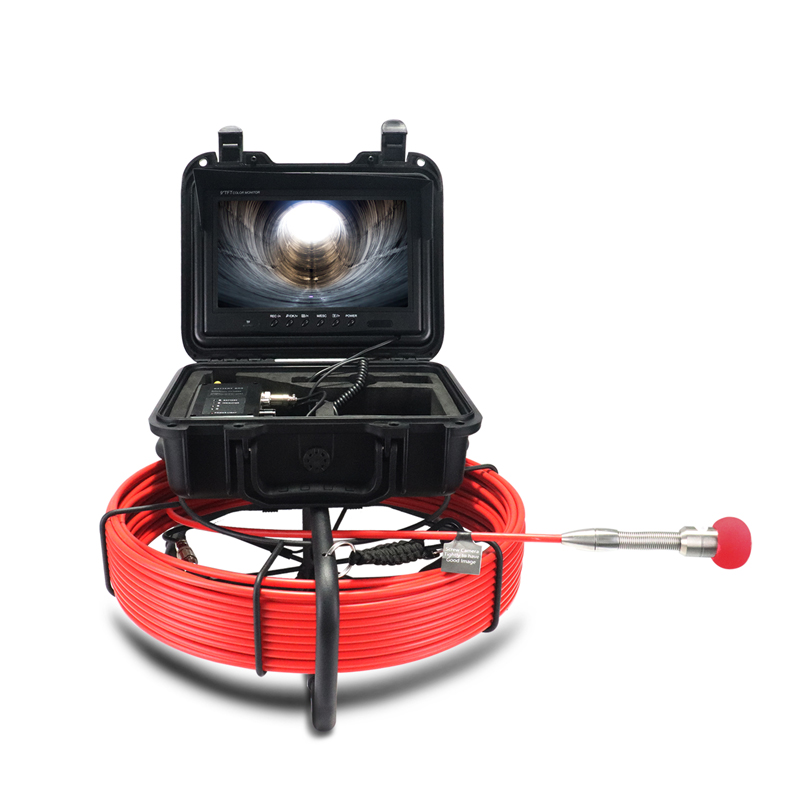
Key Features That Define a High-Performance Sewer Inspection Camera
Resolution, Lighting, and Pushrod Flexibility
High-resolution imaging—ideally 4K—captures microscopic cracks and root intrusions that standard cameras miss, enabling precise diagnostics where a defect under 1mm can trigger major pipe failure. Adjustable LED arrays eliminate shadows in pipes up to 24" in diameter, while integrated laser measurement systems quantify crack widths with ≤0.5mm accuracy. Equally critical is pushrod flexibility: Kevlar-reinforced cables with torsion control navigate tight 90° bends in clay or cast-iron pipes smoothly and reliably. Industry research confirms that combining 4K resolution with optimized lighting reduces missed defects by 30% (Infrastructure Journal 2024).
Waterproofing, Durability, and Real-Time Video Transmission
IP68-rated waterproofing and crush-resistant housings—rated for ≥500kg impacts—are non-negotiable for surviving flooded, debris-filled, or chemically aggressive sewer environments. Top-tier models support low-latency Wi-Fi for real-time video transmission, enabling on-site collaboration between field inspectors and engineering teams. This capability is essential when evaluating joint separation in pressurized mains, where immediate visual consensus prevents costly misdiagnosis. Field testing shows corrosion-resistant camera heads last three times longer in hydrogen sulfide–rich conditions than standard units (Municipal Water Report 2023).
Sewer Inspection Camera Types: Crawler, Pan-and-Tilt, and Handheld Systems
When to Use Motorized Crawlers for Large-Diameter Lines
Motorized crawlers are the optimal choice for large-diameter pipes (6 inches and above), especially in municipal trunk lines or industrial outfalls. Their tracked mobility allows them to traverse long distances—often hundreds of feet—without manual pushing, making them indispensable for inspecting extensive mainline runs. Unlike pushrod systems, crawlers maintain stable positioning over uneven surfaces and debris, delivering consistent video quality without operator fatigue or positional drift.
Advantages of Pan-and-Tilt Cameras for Detailed Joint Assessment
Pan-and-tilt (PTZ) cameras deliver unmatched diagnostic precision through full 360° rotation and tilt, allowing operators to examine joints, lateral connections, and crack patterns from multiple angles without repositioning the camera head. Paired with self-leveling technology, they maintain correct image orientation regardless of pipe slope—eliminating disorientation and blind spots common with fixed-lens systems. This capability is especially valuable for detecting hairline fractures, subtle joint offsets, or early-stage root intrusion, all of which require multi-angle verification to confirm severity and inform repair decisions.
Integration and Workflow Efficiency: Software, Reporting, and Compatibility
Modern sewer inspection cameras deliver maximum value only when their software ecosystem eliminates workflow bottlenecks. Seamless integration with reporting platforms prevents manual transcription errors—a leading cause of $740k in annual rework costs across the sector (Ponemon Institute, 2023). Compatibility with existing asset management and GIS systems ensures field-collected data flows directly to decision-makers, cutting project delays by 30% through automated task routing and condition-based work order generation. This interoperability transforms raw video footage into auditable, actionable insights—without redundant data entry or version mismatches.
Cloud-Based Reporting Tools and Regulatory Compliance Support
Cloud-based reporting tools streamline documentation by generating standardized, EPA-compliant reports on demand—from the manhole or office. These platforms auto-populate templates with timestamps, GPS coordinates, defect classifications, and severity metrics aligned with ASTM F1216 and NASSCO PACP standards. Real-time synchronization maintains immutable audit trails for Clean Water Act compliance verification, while centralized access eliminates version control issues. Integration with GIS mapping further strengthens accountability by anchoring each defect to its precise geographic and asset context—supporting both regulatory submissions and long-term capital planning.
Total Cost of Ownership: Upfront Investment vs. Long-Term ROI
Focusing solely on purchase price obscures the true financial impact of a sewer inspection camera. Total Cost of Ownership (TCO) includes acquisition, maintenance, training, energy use, part replacements, and disposal—spanning the entire equipment lifecycle. Facility management studies show lower-cost models often incur 40% higher annual maintenance expenses due to fragile components and limited serviceability. In contrast, durable, modular systems deliver 25% better long-term ROI through extended service life, reduced downtime, and field-upgradable features. To assess value accurately, professionals should weigh TCO against quantifiable returns: faster inspections, fewer repeat visits caused by inaccurate diagnostics, avoided regulatory penalties, and improved first-time-right repair planning. A rigorous TCO analysis prevents false economies—and ensures the system supports operational resilience for years to come.
FAQ
What are the most important features of a high-performance sewer inspection camera?
Key features include high-resolution imaging (ideally 4K), adjustable LED lighting, durable pushrods capable of navigating tight bends, waterproofing, and real-time video transmission capabilities.
What types of sewer inspection cameras are available?
The main types include motorized crawlers for large-diameter lines, pan-and-tilt cameras for detailed joint assessment, and handheld systems for smaller or less-intensive inspections.
How does software integration enhance the performance of these cameras?
Modern inspection cameras integrate with asset management and GIS platforms, enabling automated reporting, improved workflow efficiency, and real-time data synchronization for regulatory compliance.
What is total cost of ownership (TCO) for sewer inspection cameras?
TCO includes initial purchase cost, maintenance, training, energy use, replacements, and disposal. Durable, modular systems typically offer better long-term ROI by reducing maintenance costs and extending the system's service life.