
 EN
EN
Успоредити тип камере за канализационе цеви са захтевима за инспекцију
Камери за гушење, плесње и млазнице: Уравњавање у складу са случајем употребе
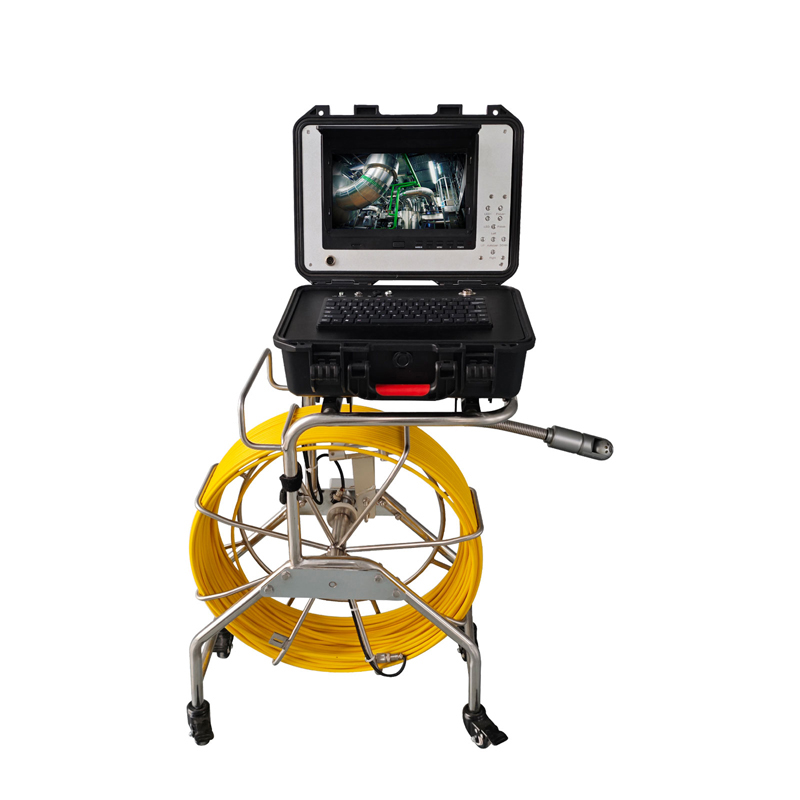
Избор праве камере за канализацију се заправо свезује на то да се уједноси оно што опрема може да уради са оним што треба да се прегледа. Системи гусача раде одлично за оне мање стамбене бочне цеви, обично око 2 до 6 инча у дијаметру. Ови системи су довољно преносливи за инспекције кућа, а њихове флексибилне шипке од стаклених влакана могу пролазити кроз чврсте завоје испод прилаза или темеља зграде. Али нису направљени за дуге растојање. Када се ради о градским главним линијама дужином од 60 метара, неопходни су моторни пчели са колесима. Они пружају стабилан, јасан видео снимак чак и у великим цевима до 48 инча ширине, и могу да се носе са свим препрекама као што су остаци или стрмене нагибе. Камере са млазницама комбинују струје воде под високим притиском са инспекционим могућностима, што их чини савршеним за борбу против кореница које расту у цеви или тврдоглавог натрупања масти. Ова двострука функција штеди време јер није потребно да се касније вратите за чишћење, што смањује целокупно време пројекта за око половина у поређењу са радом корака по кораку. Према извештајима о терену са водоводника и извођача радова, када се погрешна камера користи за одређени посао, то тежи да повећа трошкове око 35% више него што се очекивало.
Страни инспекције, главне линије и комбиновано чишћење
За ефикасан рад заиста је потребна опрема дизајнирана за одређене задатке. За те тешке латералне инспекције, потребне су нам компактне пуш камере које долазе са широкоугаоним објективима између 70 и 120 степени. Ови поможу да се ухвати све важне детаље о сервисним везама и како су зглобови постављени у уским просторима где обичне камере једноставно не могу да се сместе. Када се погледају општинске главне линије, посао захтева систем пчела са кабловима који се могу протезати преко 300 метара. Најбољи имају функцију зума који олакшава мапирање структурних проблема дуж дугих цеви. И не заборавимо ни на оне супер блокиране цеви. Системи опремљени млазницама смањују време потребно за инспекцију и чишћење за око половину у поређењу са старијим техникама. Већина искусних оператера ће нам рећи да виде приближно 90 посто повећање тачности дијагнозе када се тачна камера правилно подудара са факторима као што су величина цеви, доступност подручја и врста прљавштине или остатака који могу бити присутни.
Процените критичне техничке спецификације ваше камере за канализацију
Дужина кабла, опсег пречника цеви и ефикасна удаљеност за инспекцију
Три главна фактора која одређују да ли ће опрема правилно радити су дужина кабла, компатибилност величине цеви и колико далеко камера може ефикасно да прегледа. Кабели морају да се истегну дуже од било ког другог дела цеви који се проверава. Већина кућних инспекција водоводних система захтева око 20 до 50 метара кабла, али градске канализационе системе често захтевају нешто ближе 60 до 100 метара дужине. Величине цеви су такође важне. Мање 25 до 35 мм главе камера се уклапају кроз кухињске и купатило канализације, док се веће 40 mm и више баве дебљим индустријским цевима испод улица. Оно што људи понекад заборављају је да квалитет сигнала пада након одређеног тренутка. Јефтини фотоапарати почињу да губе квалитет слике након око 30 метара, што отежава откривање проблема у дубинама или поплављеним подручјима. Успоређивање свих ових спецификација са оним што техничари заправо доживљавају на локацији штеди време и спречава фрустрирајуће ситуације у којима опрема једноставно неће радити посао.
Јасност слике у условима слабог осветљења: резолуција, ХДР, ЛЕД осветљење и дигитални зум
Слични системи који се користе у канализацији морају да се носе са свим врстама изазова, укључујући потпуну таму, пловилачинске остатке и искривљене слике од одражавања воде. За основне инспекционе послове потребна је резолуција најмање 1080p да би се откриле те мале пукотине или корени који почињу да улазе у цеви. Ако су неопходне детаљне проверке корозије, има смисла и повећање до 4К за боље слике. ХДР технологија помаже камерама да се носе са ситуацијама када су делови слике супер тамни поред подручја која су заиста светла. И не штедите на осветљењу. Добри системи користе ЛЕД масиве који производе преко 10.000 лумена да осветле цеви широке до 48 инча равномерно. Оптички зум одржава детаље оштре када гледате далеке тачке унутар канализације, за разлику од дигиталног зума који само истеже пикселе и губи квалитет. То је веома важно када се правилно прате стандарди НАССКО-а за дефекте рејтинга. Све ове спецификације заједно значи да техничари могу да виде оно што гледају, чак и када видљивост падне на нулу.
Обезбедити чврстоћу и спремност за животну средину за реалне канализационе средине
IP68/IP69K оцене, отпорност на корозију и отпорност на ударе
Камере за инспекцију канализације свакодневно се суочавају са прилично бруталним условима рада. Они се морају бавити корозивним гасом сулфида водоника који виси у цевима, плус свим врстама песчаних остатака и моћним млазницама воде које продиру кроз систем. Већина поуздане опреме долази са IP68 / IP69K рејтингом, што значи да могу да се носе са потпуно потапањем у воду без икаквих проблема. Ово је веома важно када се испитују поплавени делови цева, јер ове камере морају да остану у функцији чак и ако су потопљене дубином од преко метра пола сата или више. Најбољи модели користе титанијум или специјално појачане пластичне кутије како би се спречили оштећењу киселим отпадним водама које прогутавају јефтиније материјале. Према тестама на терену, камере изграђене са чврстим кобурима које се издрже удара смањују број неуспеха за око 37% када ударе у бетонске блокаже унутар цеви. Многи водећи произвођачи сада додају амортизаторске носаче посебно дизајниране да заштите те деликатне компоненте објектива након случајног пада са висине до три метра. У општинама које прескачу ове тврде карактеристике, обично се њихови алати разбијају за само неколико месеци редовне употребе. Ово се брзо додаје - говоримо о око 740.000 долара годишње само за трошкове за замену за просечне градске одељења за одржавање према истраживању Института Понемон из прошле године.
Извуците користи од паметних функција које побољшавају извештавање, усклађеност и ефикасност рада
Сензирање нагина, интегрисана компатибилност локатора и видео снимање са временским метадатама
Инспекције канализације данас захтевају више од слика. Потребно је и паметни систем који ради заједно. Технологија за сензор нагиба коју користимо у последње време аутоматски снима те занимљиве углове цеви док се опрема креће кроз њих. Не покушавају више да ручно мере склонове што често доводи до грешака. И информације о градијенту су супер важне за све ове регулаторне извештаје. Када се комбинује са нашим локаторским системом, ствари постају још боље. Камере испод се синхронизују са ГПС јединицама на површини тако да техничари могу пронаћи проблемске тачке у оквиру око шест инча према стандардима НАССКО-а из прошле године. Пољске екипе нам кажу да је ово огромна разлика када планирате поправке јер не постоји двоструко погођање где су проблеми заправо. Видели смо да екипе штеде око 40 минута по раду само пронаћи локације поново након почетних истраживања.
Када се видео снимци снимају са GPS временским ознакама, они постају нешто више од простог снимака - стварних доказа које се могу касније прегледати. Уграђени метаподаци укључују детаље као што су идентификациони бројеви цеви, ко је управљао опремом, када и где се све догодило. То осигурава да испуњавамо све градске прописе и омогућава нам да генеришемо извештаје само једним кликвањем. Према неком недавном истраживању из прошле године, ови аутоматизовани системи смањују грешке у документарности за око тридесет одсто, што знатно убрзава ствари. Контрактори који раде на више локација сматрају ово посебно вредно јер то значи да могу да раде две или чак три додатне инспекције сваког дана без запошљавања неког другог. Такава ефикасност чини око седам стотина и четрдесет хиљада долара додатних прихода годишње за компаније умерене величине у овој области.
Подела за често постављене питања
Која камера за канализацију је најбоља за инспекције станова?
Камере са штапцима су идеалне за мање стамбене бочне цеви због њихове преносивости и способности да се носе са чврстим завојама.
Која врста камере треба користити за инспекције општинских главних линија?
Камеране за пчеле су најбоље погодне за општинске главне линије, нудећи карактеристике као што је пан тилт зум за опсежно мапирање.
Како камере са млазницама штеде време током инспекција?
Камере са млазницама комбинују инспекцију и чишћење, смањујући укупно време пројекта решавањем блокади током инспекција.
Зашто је висока резолуција важна за инспекције канализационих цева?
Висока резолуција је од кључне важности за идентификовање пукотина и других дефеката током инспекција, осигурајући усаглашеност са стандардима као што је НАССЦО.
Каква је важност IP рејтинга за камере за инспекцију канализације?
IP68/IP69K оцена осигурава да камере могу издржавати тешке услове, укључујући потапање и излагање корозивним супстанцама у окружењу отпадне воде.
Како интеграција ГПС-а побољшава инспекције канализације?
Интеграција ГПС-а омогућава прецизно одређивање проблемских подручја, повећавајући ефикасност у планирању поправке и извештавању о усаглашености.
Садржај
- Успоредити тип камере за канализационе цеви са захтевима за инспекцију
- Процените критичне техничке спецификације ваше камере за канализацију
- Обезбедити чврстоћу и спремност за животну средину за реалне канализационе средине
- Извуците користи од паметних функција које побољшавају извештавање, усклађеност и ефикасност рада