
 EN
EN

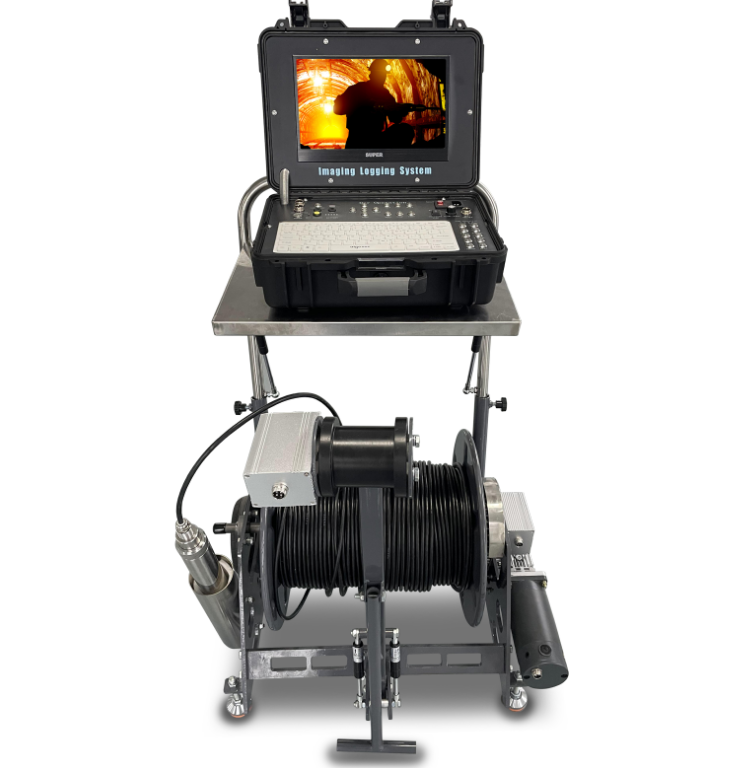
Drilling a new well is a big investment. You put in time, money, and a lot of effort. The last thing you want is to finish the whole thing and then realize the pump is in the wrong spot or the well screen is not pulling water from the best part of the aquifer. That happens more often than you might think. But there is a tool that helps you avoid all that guesswork. A borehole water detector gives you real information about what is happening underground, so you can place everything exactly where it needs to be from the very beginning.
Finding the right aquifer layers before you finish drilling
Not all underground water is the same. Different layers of rock and soil hold different amounts of water, and the quality can vary a lot too. Some layers might give you plenty of clean water, while others are dry or full of sediment. Without a borehole water detector, you are basically guessing which layer is the good one. The detector uses sensors to measure things like electrical conductivity and natural electric fields down in the hole. This helps you figure out exactly where the water is and how much you can expect to pull from each layer. Knowing that before you set the final casing and screens makes a huge difference in how well your well performs over its whole lifetime.
Putting the well screen where the water actually is
The well screen is the part that lets water flow into the well while keeping sand and gravel out. If you put it in the wrong spot, you might get very little water, or you might pull in so much sand that the pump wears out fast. A borehole water detector tells you the precise depth of the water and shows you which sections of the borehole are the most productive. This means you can position the screen right in the middle of the best water zone instead of missing it by a few meters. Getting that placement right from day one saves you from having to redo the whole thing later, which is expensive and frustrating.
Setting the pump at the perfect depth to avoid problems
Pump placement is another thing that really matters. Set the pump too high, and it might suck in air when the water level drops during dry seasons. That causes cavitation, which damages the pump internals and shortens its life. Set it too low, and you risk pulling up mud and sediment or even burning out the motor because it is working too hard. A good borehole water detector gives you accurate readings on water depth and the total depth of the hole. With that data, you can put the pump right in the sweet spot, usually ten to twenty feet above the bottom, where it gets plenty of water without stirring up the sediment layer.
Matching pump size and power to actual well conditions
Every well is different. Some produce water slowly, while others give you a strong flow right away. A borehole water detector helps you understand the real capacity of your well before you buy and install the pump. If you put in a pump that is too powerful for the well, you will keep sucking air and burning out motors. If you go too small, you will never get the water volume you need. The detector gives you solid data on water column height and recharge rates, so you can pick the right pump size the first time. That saves a lot of headaches and a lot of money on replacement pumps down the road.
Avoiding costly rework and extending equipment lifespan
Nobody wants to pull a pump out of a deep well just to move it up or down a few meters. That kind of rework costs time and money, and it interrupts your water supply. Using a borehole water detector upfront means you get everything right the first time. The pump runs efficiently because it is fully submerged without being buried in silt. The screen pulls clean water from the best part of the aquifer. The whole system lasts longer and needs fewer repairs. In the long run, the cost of the detector pays for itself many times over just by preventing one bad installation.
Making better decisions with hard data instead of guesses
Drilling a well without a borehole water detector is like driving at night with no headlights. You might get there, but you are going to hit a lot of bumps along the way. The detector gives you actual numbers and real time readings that take the mystery out of what is down there. You can see the depth of the water, the thickness of each layer, and the quality of the aquifer. That kind of information helps you make smart choices about where to put the screen, how deep to set the pump, and what size equipment to buy. It turns well drilling from a gamble into a calculated decision with predictable results.
Table of Contents
- Finding the right aquifer layers before you finish drilling
- Putting the well screen where the water actually is
- Setting the pump at the perfect depth to avoid problems
- Matching pump size and power to actual well conditions
- Avoiding costly rework and extending equipment lifespan
- Making better decisions with hard data instead of guesses