 EN
EN
Correspondência entre o Comprimento do Cabo e as Necessidades Reais de Inspeção de Tubulações
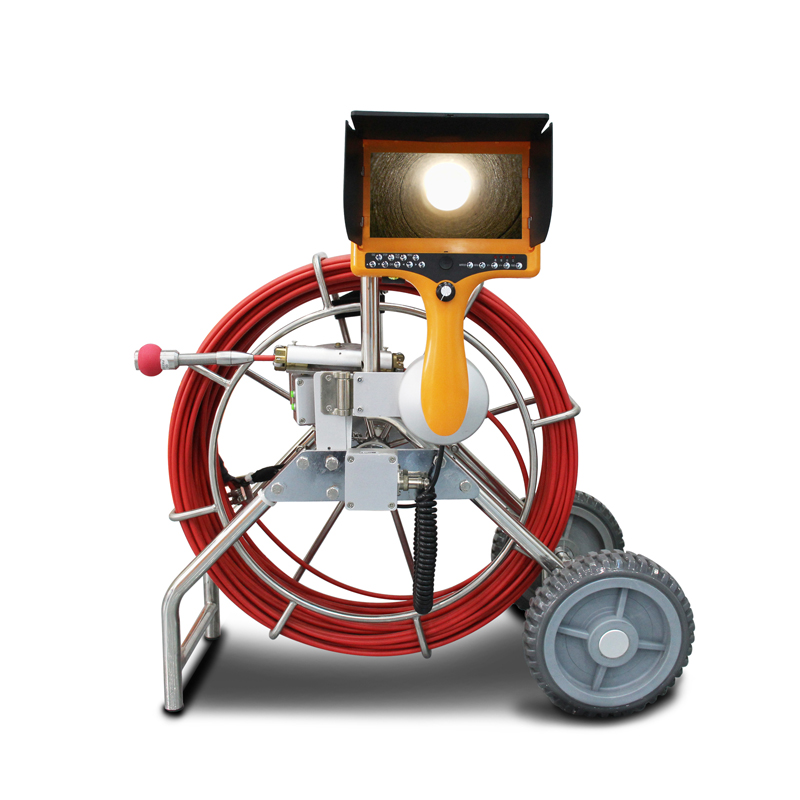
A seleção de um comprimento adequado de cabo para câmeras de inspeção de tubulações exige a compreensão das diferenças fundamentais entre aplicações residenciais e municipais. Embora cabos de 30 metros (100 pés) sejam suficientes para a maioria dos esgotos domésticos — normalmente com profundidade de 1 a 2,5 metros — eles são insuficientes em contextos municipais, onde as redes coletoras de esgoto sanitário costumam estar enterradas a 4,5 metros ou mais sob vias públicas e infraestrutura.
Profundidades de Drenagem Residencial vs. Municipal: Por Que 30 Metros (100 Pés) Não São Suficientes para Redes Coletoras de Esgoto Sanitário
Cabos regulares de 30 metros simplesmente não são suficientes ao tentar acessar sistemas de esgoto urbanos. Considere este cenário: alguém deseja inspecionar o fundo interno de um tubo principal localizado a 6 metros de profundidade. Apenas para descer até lá por uma câmara de inspeção já se consomem cerca de 12 metros de cabo, somente na trajetória vertical (para baixo e para cima), antes mesmo de avançar horizontalmente pelo sistema. Além disso, a maioria dos ramais laterais tem entre 60 e 90 metros de comprimento. Assim, somando todos esses fatores, os operadores frequentemente precisam de muito mais do que 45 metros de cabo para essas tarefas. É por isso que muitos profissionais acabam carregando bobinas adicionais ou conectando vários cabos entre si no local.
Como Calcular o Comprimento Mínimo Necessário do Cabo: Profundidade do Tubo + Deslocamento de Acesso + Margem de Segurança
Utilize esta fórmula testada em campo para determinar as necessidades operacionais de cabo:
Comprimento Mínimo do Cabo = (Profundidade do Tubo × 2) + Percurso Horizontal + (Percurso Horizontal × 0,2)
- Profundidade do Tubo × 2 : Considera a descida vertical e ascent
- Percurso Horizontal : Distância real de inspeção dentro do tubo
- margem de Segurança de 20% evita a sobretensão durante manobras direcionais e resistência à sedimentação
Para uma rede de esgoto com profundidade de 15 pés e inspeção lateral de 80 pés:
(15 × 2) + 80 + (80 × 0,2) = 30 + 80 + 16 = 126 pés no mínimo .
Este cálculo ajuda a evitar falhas prematuras do cabo e inspeções incompletas — especialmente crítico ao planejar reabilitação ou elaborar relatórios regulatórios.
Fatores de projeto do cabo que permitem operação confiável de câmeras para tubos em longo alcance
Equilíbrio entre rigidez e flexibilidade: por que cabos de 4,8 mm e 9 mm são adequados para diferentes cenários de longo alcance
Os cabos mais finos, com 4,8 mm, são todos sobre flexibilidade ao passar por aqueles curvamentos desafiadores encontrados nos sistemas de encanamento residenciais. Estamos falando de cotovelos, conexões em T e ligações descentradas que realmente colocam à prova equipamentos convencionais. O que torna esses cabos especiais é que eles mantêm sua capacidade de empurrar mesmo sendo tão finos. Já na versão mais grossa, de 9 mm, obtemos uma resistência à compressão significativamente maior, além de maior estabilidade torsional. Isso é fundamental nas redes de esgoto urbanas, onde a complexidade aumenta rapidamente. A gravidade age contra nós, há acúmulo de sedimentos ao longo do tempo e empurrar algo por centenas de pés exige pressão constante. E não podemos esquecer o fator torção: com um equilíbrio adequado de torque incorporado ao projeto, esses cabos não giram descontroladamente durante percursos longos. Isso significa imagens mais nítidas e direcionamento mais preciso, mesmo ao trabalhar em seções laterais de 300 pés, que parecem impossíveis à primeira vista.
Prevenção de Dobras, Memória e Flambagem: Construção Reforçada do Núcleo e Geometria do Carretel
Núcleos de fibra de aço misturados com materiais híbridos resistem às forças de compressão sem perder a capacidade de manter raios de curvatura adequados, mesmo ao lidar com tubos de até quatro polegadas de diâmetro. Os próprios carretéis são fabricados com eixos de maior diâmetro, o que ajuda a prevenir problemas de memória nos cabos — uma das principais causas de dobras e perda das propriedades de resistência à água. Em cada ponto de conexão, há colares reforçados de alívio de tensão que distribuem a tensão mecânica, em vez de concentrá-la em um único local. Testes de campo demonstram que essas melhorias reduzem as falhas durante os ensaios de pressão em cerca de 35%, atendendo aos rigorosos padrões IP67 de resistência à água. Quando os fabricantes combinam escolhas inteligentes de materiais com carretéis cuidadosamente projetados, obtêm equipamentos que mantêm sua precisão e durabilidade ao longo de inúmeras implantações.
Recursos Críticos de Integração para Uso Preciso e Durável de Câmeras para Tubos com Cabo Longo
Codificação de Profundidade e Localização de Sonda a Mais de 300 pés: Garantindo Conformidade com a Norma ASTM F2129-22
Obter leituras precisas de profundidade torna-se absolutamente essencial assim que ultrapassamos os 300 pés abaixo da superfície. As melhores câmeras de inspeção de tubos disponíveis atualmente no mercado normalmente utilizam duas tecnologias diferentes em conjunto: uma é um sistema de roda codificada, e a outra envolve sensores eletromagnéticos que funcionam em conjunto com equipamentos localizados acima do solo. Essa combinação ajuda a superar os problemas de perda de sinal que ocorrem com frequência quando os tubos passam por áreas alagadas ou próximas a estruturas metálicas. A maioria dos sistemas consegue rastrear a profundidade com uma precisão de cerca de seis polegadas, mesmo em seu alcance máximo. As normas industriais estabelecidas pela ASTM F2129-22 exigem exatamente esse nível de precisão para identificação adequada de defeitos e planejamento de reparos. Sem essa precisão, as equipes de manutenção podem deixar de detectar problemas importantes, como juntas quebradas ou conexões defeituosas, durante inspeções de tubos realizadas por meio de televisão de circuito fechado.
Validação da vedação IP67: Proteção da junção entre o cabo e o carretel sob pressão hidrostática
A água tende a infiltrar-se na conexão do carretel de cabo quando o equipamento fica submerso, tornando este ponto o elo mais fraco em muitos sistemas de inspeção. A classificação IP67 significa que a vedação foi testada de forma bastante rigorosa — resistindo a uma pressão de água de cerca de 1 metro (aproximadamente 14,5 psi) durante meia hora, o que simula o que ocorre quando há inundações severas nas redes de esgoto. Testes independentes mostram que equipamentos que atendem a esses padrões continuam funcionando corretamente mesmo após centenas de imersões subaquáticas. De acordo com o mais recente relatório da NASSCO de 2023 sobre falhas em sistemas de esgoto, essa confiabilidade reduz os custos de manutenção em quase 40%. Contudo, uma boa vedação contra a água não é o único fator relevante. Essas vedações também apresentam maior resistência aos danos causados pelo sulfeto de hidrogênio e à entrada de partículas abrasivas, o que é particularmente importante em sistemas de esgoto mais antigos, onde tais problemas são comuns nas operações diárias.
Perguntas Frequentes
Qual é o comprimento-padrão do cabo para inspeções residenciais de tubulações?
Para aplicações residenciais, um cabo de 30 metros geralmente é suficiente para tubulações domésticas, que normalmente têm profundidade entre 1 e 2,5 metros.
Por que um cabo de 30 metros não é suficiente para coletores municipais de esgoto?
Em ambientes municipais, os coletores costumam estar enterrados a pelo menos 4,5 metros de profundidade, e os ramais laterais podem se estender de 60 a 90 metros. Assim, é necessário um cabo consideravelmente mais longo.
Como posso calcular o comprimento mínimo do cabo necessário para uma inspeção?
Você deve levar em conta a profundidade do tubo, o percurso horizontal e adicionar uma margem de segurança de 20%. A fórmula é: Comprimento Mínimo do Cabo = (Profundidade do Tubo × 2) + Percurso Horizontal + (Percurso Horizontal × 0,2).
Quais são as vantagens de utilizar cabos de 4,8 mm e 9 mm?
os cabos de 4,8 mm oferecem flexibilidade para navegar curvas nas tubulações residenciais, enquanto os cabos de 9 mm proporcionam maior resistência e estabilidade para sistemas municipais complexos.
Sumário
- Correspondência entre o Comprimento do Cabo e as Necessidades Reais de Inspeção de Tubulações
- Fatores de projeto do cabo que permitem operação confiável de câmeras para tubos em longo alcance
- Recursos Críticos de Integração para Uso Preciso e Durável de Câmeras para Tubos com Cabo Longo
- Perguntas Frequentes