
 EN
EN
주택 소유자가 소형 배관 카메라가 필요한 이유
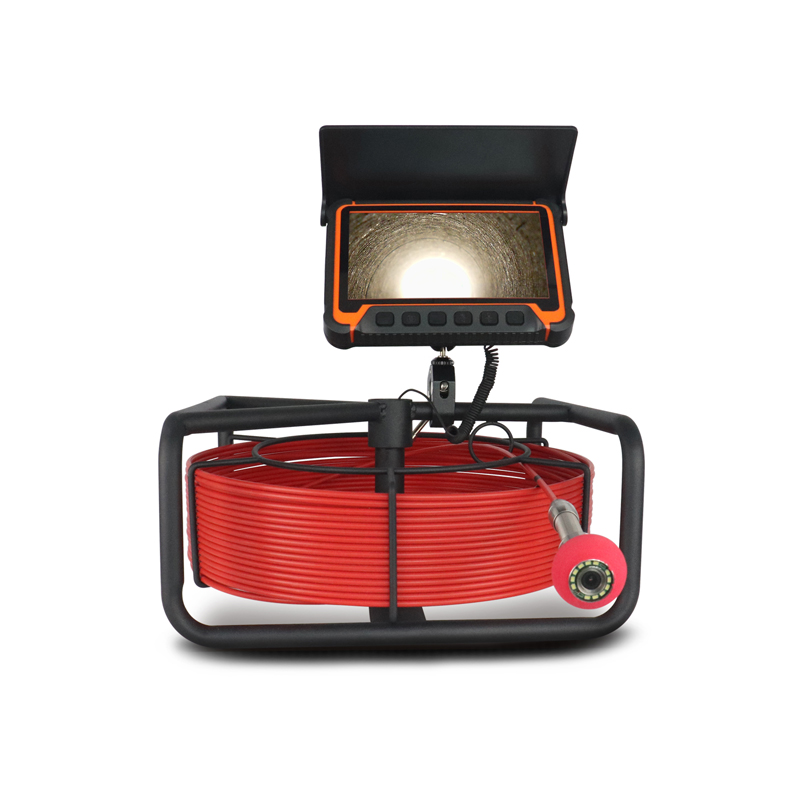
소형 배관 카메라는 파이프 문제를 겪는 주택 소유자들에게 게임 체인저가 되고 있습니다. 이러한 소형 장치를 사용하면 콘크리트를 부수거나 벽을 절단하는 등 파손 작업 없이도 파이프 내부를 직접 확인할 수 있으며, 고비용 전문 배관공을 고용하지 않아도 됩니다. 기존 방식은 문제의 원인을 파악하기 위해 콘크리트를 깨거나 벽을 자르는 등 파괴적인 작업을 불가피하게 요구했습니다. 그러나 최신 카메라를 활용하면 스마트폰으로 실시간 영상을 보며 나무 뿌리의 유입, 고착된 막힘, 미세 균열과 같은 숨겨진 문제 지점을 정확히 식별할 수 있습니다. 스스로 손을 대는 것을 즐기는 사용자에게는 이러한 기능이 성가신 배수 지연이나 원인을 알 수 없는 누수 문제를 타인에게 의뢰하지 않고 직접 해결할 수 있게 해줍니다. 폰몬 연구소(Ponemon Institute)에 따르면, 일반 소비자들이 소규모 문제를 조기에 발견해 대규모 재난으로 악화되기 전에 대처할 경우 연간 약 740달러를 절약할 수 있습니다. 현재 시판되는 대부분의 모델은 휴대가 간편하도록 가볍게 설계되어 무게가 2파운드(약 0.9kg) 이하이며, 습한 지하실이나 벽 뒤 좁은 기반 공간 등 다양한 환경에서도 견딜 수 있도록 견고하게 제작되었습니다. 추측에 의존하던 과거 방식에서 벗어나 정확한 진단을 통해 시간과 비용 모두를 절약할 수 있습니다. 관련 연구에 따르면, 이러한 카메라는 수리 오류를 약 70% 감소시킬 뿐만 아니라, 파이프 상태에 대한 명확한 영상 증거를 제공함으로써 보험 청구 시 유용하게 활용되거나 주택 구매 전 점검 시에도 큰 도움이 됩니다. 오래된 아연도금 파이프를 점검하거나 새 욕실 설치 후 배수가 적절히 이루어지는지 확인할 때도, 이러한 실용적인 도구는 응급 수리 중심의 관리에서 벗어나 사전 계획된 지능형 예방 정비로 전환하는 데 기여합니다.
가정용 배관 카메라의 주요 특징
소형 직경 카메라 헤드(12–13mm) 및 초슬림 코일로 좁은 주거용 배관에 최적화
대부분의 주택 배관 파이프는 지름 약 1.5~2인치로, 상업용 건물에서 볼 수 있는 파이프에 비해 실제로 상당히 좁은 편입니다. 여기서 사용되는 점검 카메라는 일반적으로 지름 약 12~13mm의 헤드를 갖추고 있습니다. 이러한 소형 헤드는 협소한 공간을 거의 어려움 없이 이동할 수 있습니다. 그러나 특히 유용한 것은 마모와 손상에 강한 초미세 케이블인데, 이 케이블은 싱크대 배수구나 화장실 배관처럼 공간이 극도로 제한된 구간에서도 쉽게 굴곡을 형성할 수 있습니다. 이러한 특별한 설계 덕분에 카메라는 파이프 연결부나 배관 내부를 떠다니는 이물질에 걸리지 않으며, 배관공은 벽체를 파내지 않고도 일반적인 배수구를 통해 바로 막힘 부위까지 접근할 수 있습니다. 또한 전체 장비가 슬림하게 설계되어 점검 중 밀려나는 물의 양이 줄어들어 영상 화질이 선명해지고, 작업 후 정리도 훨씬 빨라집니다.
반유연형 vs. 완전 유연형 설계: 기동성과 영상 안정성의 균형
대부분의 주택 소유자에게는 반유연형 카메라가 지나치게 뻣뻣하거나 과도하게 휘어지는 것 사이에서 적절한 중간 지점을 제공합니다. 이러한 모델은 강화된 코어 구조를 갖추고 있어, 굴곡진 배관 내부에서도 렌즈가 흔들리지 않고 안정적으로 고정되므로, 모서리를 돌아보거나 P-트랩을 통과할 때 영상이 흔들리지 않습니다. 한편 완전 유연형 카메라는 매우 좁은 공간과 날카로운 굴곡을 문제없이 통과할 수 있지만, 초점을 유지하려면 천천히 그리고 신중하게 조작해야 하며, 너무 빠르게 움직이면 흐릿해질 위험이 있습니다. 반경직형 설계의 장점은 미세한 균열 발생이나 배관 내부로 뿌리가 서서히 침투하는 것과 같은 작은 문제에 정확히 초점을 맞출 수 있다는 점이며, 이때 별도의 지속적인 조정이 필요하지 않습니다. 제품을 선택할 때는 자택 내 배관의 배치 방식을 먼저 확인하세요. 이 분야에 익숙하지 않은 대부분의 사용자는 표준 배관 시스템을 갖춘 일반 주택에 반유연형 모델이 가장 적합하다고 평가합니다.
소형 배관 카메라의 실용적 가정 응용 사례
분해 없이 배수 지연, 막힘 및 배관 손상 진단
소형 배관 점검 카메라는 가정 내 파이프 문제를 해결하는 방식을 실로 혁신적으로 바꾸어 놓았습니다. 이러한 편리한 도구를 사용하면 주방 싱크대, 욕실 샤워기, 화장실 배수구 등에 설치된 지름 1.5~3인치의 좁은 파이프 내부를 직접 확인할 수 있습니다. 머리카락이 쌓인 것, 끈적끈적한 기름 찌꺼기, 심지어 파이프 일부가 붕괴된 부분까지도 정확히 찾아낼 수 있습니다. 가장 큰 장점은? 고장 원인을 파악하기 위해 수도 기기나 벽체를 철거하거나 절개할 필요가 없다는 점입니다. 실시간 영상 피드를 통해 전문 배관공뿐 아니라 일반 DIY 애호가들도 이물질이 막힌 정확한 위치를 눈으로 확인할 수 있습니다. 대부분의 막힘 현상이 배수구 입구 근처에서 발생한다는 사실을 아셨나요? 실제로 그 비율은 약 72%에 달합니다. 이를 통해 추측이 아닌 정확한 진단과 적절한 수리가 가능해집니다. 일부 고급 모델은 고대비 영상 기능을 갖추고 있어, 초기 단계의 녹 슬림이나 균열 징후도 조기에 포착할 수 있습니다. 이런 문제를 초기에 발견하면, 방치 시 소규모 누수로 시작해 결국 대규모 침수 사고로 이어질 수 있는 상황을 미리 막아 모든 사람의 고민을 줄여줍니다.
싱크대 및 샤워 배수관 내 뿌리 침투, 부식, 이음부 불정렬 식별
이 장치들은 고습도 주거 공간 내 구조적 위협을 효과적으로 드러내는 데 탁월합니다. 반유연성 12mm 카메라는 세면대 및 샤워 트레이 하부의 좁은 굴곡을 쉽게 통과하여 다음 사항을 탐지합니다:
- 뿌리 침입 : 나무 근처에 위치한 노후 주택에서 흔히 발생하는, 파이프 이음부로 침투하는 미세한 뿌리 실
- 부식 : 철 또는 아연 도금 파이프의 벽 두께 감소 또는 녹 조각
- 조인트 불일치 : 지속적인 천천히 누수를 유발하는 PVC 또는 ABS 연결부의 틈새
2021년 파이프 무결성 연구에 따르면, 만성적인 천천히 흐르는 배수 문제의 40%가 미탐지된 이음부 분리로 인해 발생하며, 이러한 문제는 내부 점검을 통해서만 확인할 수 있습니다. 조기 식별을 통해 에폭시 라이닝 또는 기계적 이음부 조임과 같은 비침습적 수리 방식을 적용할 수 있어, 전체 파이프 교체를 피할 수 있습니다.
DIY 용으로 사용하기 적합한 가격 대비 신뢰성 높은 배관용 카메라 선택
$150–$400 예산으로 얻을 수 있는 것: 화상 선명도, 배터리 수명, 제작 품질 기준
대부분의 주택 소유자에게는 150~400달러 구간이 과도한 설계 없이도 신뢰할 수 있는 성능을 제공합니다. 다음 세 가지 핵심 기준에 집중하세요.
- 이미지 선명도 해상도: 최소 720p 해상도를 우선 고려하세요. 200달러 미만 모델은 종종 480p 해상도로 기본 설정되어 광물 침착물이나 미세 균열과 같은 핵심 세부 사항을 흐리게 만듭니다.
- 배터리 수명 작동 시간: 연속 작동 시간이 2~3시간 정도임을 기대하세요. 300달러 미만 기기는 절전 모드가 부족한 경우가 많아, 실질적인 배터리 수명을 최대 40%까지 단축시킬 수 있습니다.
- 품질 을 높여라 방수 등급: 습한 환경에서의 점검을 위해 IP67 등급의 방수 기능이 필수적입니다. 이 가격대의 반강성 케이블은 굴곡에 강하며 반복 사용 후에도 형태를 잘 유지하지만, 복잡한 배선 구조에서는 유연성보다 안정성을 중시합니다.
입문급 모델은 조절 가능한 LED 밝기, 정지 이미지 촬영, 광각 렌즈와 같은 기능을 생략할 수 있으나, 이 가격대에서 신뢰할 수 있는 제품들은 일상적인 가정용 정비에 충분한 진단 정확도와 내구성을 꾸준히 제공합니다. 전문가 수준의 사양이 없어도 전문가 수준의 통찰력을 얻을 수 있습니다.
자주 묻는 질문(FAQ)
소형 배관 카메라는 무엇에 사용되나요?
소형 배관 카메라는 벽을 해체하거나 절단하지 않고도 막힘, 뿌리 침입, 구조적 손상과 같은 배관 내부 문제를 식별하기 위해 배관 파이프 내부를 점검하는 데 사용됩니다.
배관 카메라는 주택 소유자에게 어떻게 비용을 절감해 줄 수 있나요?
작은 문제를 조기에 식별함으로써 배관 카메라는 이러한 문제가 대규모 수리로 악화되는 것을 방지해 주며, 연간 약 740달러의 비용을 절감할 수 있습니다.
배관 카메라를 선택할 때 고려해야 할 사항은 무엇인가요?
이미지 선명도, 배터리 수명, 설계의 유연성, 제작 품질 등을 고려해야 합니다. 집의 배관 배치에 적합한 제품을 선택하는 것이 중요합니다.