 EN
EN
Hvordan rørkameraer muliggør ikke-invasiv rørinspektion
Realtime visuel diagnostik med fleksible boroskoper og videoskoper
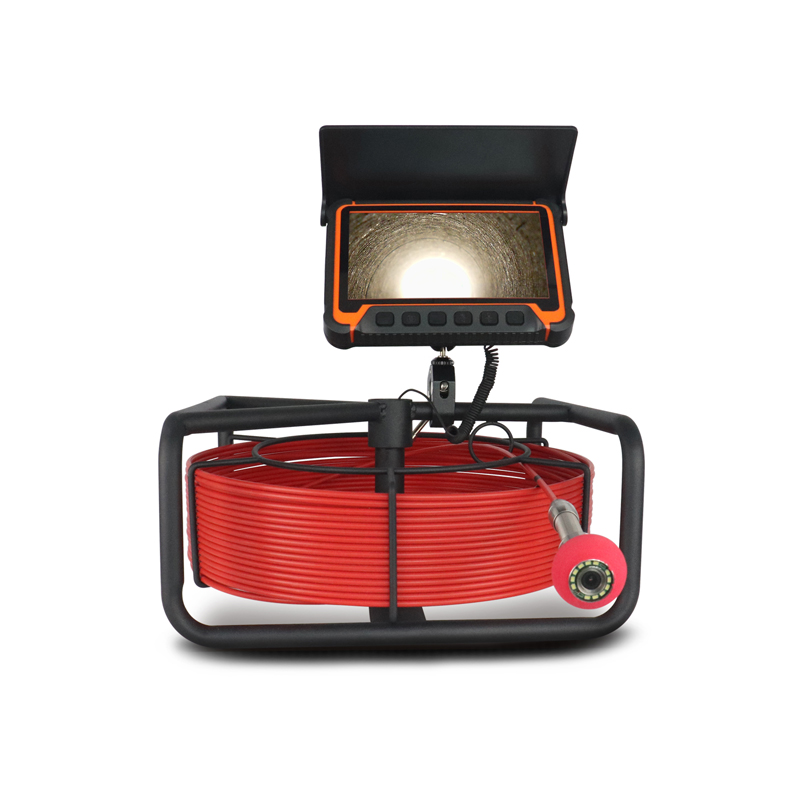
Med rørkameraer til rådighed er der ingen grund til at gætte på, hvad der sker inde i rørene, fordi vi får live-high-definition-billeder direkte fra indersiden – uden behov for at grave overhovedet. Disse fleksible inspektionsværktøjer kan slange sig igennem endda de mest trange sving i P-formede faldstammer og vaskedræn. Og når det gælder at se præcis, hvad der forårsager problemerne, er artikulerede videoskoper udstyret med kraftige LED-lamper og fuld 360-graders kontrol, så rørmonterere kan identificere ting som obstinat fedtaflejring, sammenfiltrede hårklumper eller listige trærødder, der vokser ind i systemet – lige mens det sker. Hvad betyder dette i praksis? Jo, rørmonterere kan præcist lokalisere, hvor en tilstopning befinder sig, ned til den sidste tomme, kontrollere, om røret selv stadig er i god stand, mens de står på stedet, og afgøre den bedste fremgangsmåde til at løse problemet, før de overhovedet sætter noget ind i røret. Tag f.eks. trærødder, der trænger ind i kloakledninger. Det, der tidligere krævede hele dage med gravning, kan nu afhjælpes på få minutter takket være disse kamera-systemer. Studier viser, at denne metode reducerer både tiden til fejlfinding og de samlede omkostninger med omkring to tredjedele i forhold til traditionelle metoder, der kræver omfattende jordarbejde.
Valg af den rigtige type rørkamera: stift vs. halvflexibelt vs. videoskop til P-formede afløb, vaskerens afløb og kloaktilslutninger
| Kamera type | Bedst til | Begrænsninger |
|---|---|---|
| Stiv | Lige rørstræk (f.eks. ventilationsrør) | Kan ikke navigere kurver |
| Semi-fleksibel | Vaskerens afløb med blide kurver | Begrænset manøvreevne |
| Videoskop | Kloaktilslutninger, P-formede afløb, skarpe kurver | Højere omkostninger, avanceret uddannelse |
Lige stive kameraer fungerer fremragende, når der skal undersøges rør, der løber lodret eller i lige linjer, men de når en blindgyde, når de støder på kurver. De halvflexible muligheder kan håndtere nogle af de buer, der typisk findes i hjemmets afløbssystemer, men har stadig svært ved mere komplicerede eller forstoppede områder. Her kommer videoskoper ind i billedet: Disse avancerede værktøjer tilbyder zoomfunktioner, justerbare lys og fuld artikulation, hvilket gør dem til det foretrukne valg i udfordrende situationer som fejldiagnose i kloaktilslutninger, de gamle skrøbelige støbejernsrør, der er almindelige i ældre huse, eller komplicerede P-formede afløbsanlæg.
Præcis diagnose af tilstopninger, lækkager og strukturel skade
Identificering af tilstopningens sammensætning og placering: fedt, hår, trærod og fremmedlegemer
Rørkameraer hjælper teknikere med at se, hvad der rent faktisk foregår inden i rørene. De kan skelne mellem lag af fedtansamling, store klumper af hår, trærod, der er vokset ind, og tilfældige genstande som tabte legetøjer eller afløbspapir, der er blevet spült ned. Denne visuelle information giver rørmontører mulighed for at løse problemer baseret på den faktiske årsag. Når rødder trænger ind i rør, er den almindelige løsning først at skære dem væk og derefter anvende et middel til at dræbe ny rodvækst. Tykke fedtaflejringer kræver normalt højtryksvandstråler for at blive fjernet helt. Og for faste genstande, der sidder fast, må rørmontører ofte specifikt gå ind for at fange det pågældende objekt. Den reelle værdi ligger i at vide præcis, hvor tilstopningen befinder sig. Er den 4,5 meter nede i kloakledningen? Eller måske lige bag afløbskranens fælde? Med denne information kan rørmontører rette deres arbejde præcist i stedet for at revne alt fra hinanden. Ifølge National Plumbing Associations rapport fra sidste år sænker denne slags præcise fremgangsmåde faktisk skaden på rør og gør gentagne tilstopninger ca. 40 % sjældnere end, når man forsøger at bruge en rørslynger uden at vide, hvad der er i vejen.
Påvisning af skjulte lækkager, korrosion, revner og forbindelsesfejl uden nedrivning
Videoskopteknologi kan finde problemer, der skjuler sig under overflader, som almindelige inspektioner overser. Når man ser på rør, viser langsomme lækkager sig som fugtige pletter eller mineralaflejringer langs forbindelserne. Korrosion fremstår som flager, huller eller usædvanlige farver på metaloverflader. Revner har også deres egne karakteristika: spændingsrevner dannes ofte nær rørbøjninger, mens cirkulære revner normalt skyldes gentagne frysning-og-tilfrysningsscyklusser. At kende disse detaljer hjælper rørinstallatører med at afgøre, om det er tilstrækkeligt at reparere små områder, eller om hele sektioner skal udskiftes. Ældre huse bygget før 1980 har ofte rør, der bliver sprøde, og forbindelser, der slits hurtigt. Ved at bruge kameraer til diagnose betyder det, at ca. syv ud af ti ældre huse ikke behøver at revne vægge op eller bryde gennem beton under reparationer. At kunne lokalisere lækkager inden for ca. 15 cm reducerer spildt vand og forhindrer, at fugtskader spreder sig over tid, hvilket sparejerne penge og besvær på sigt.
Maksimere omkostnings- og tidsmæssig effektivitet ved reparationer af husholdningsrørledninger
Reducerer unødvendig udgravning og fjernelse af gipsplader gennem målrettede diagnostikker
Kameraer kan præcis lokalisere, hvor rørledningsproblemerne faktisk befinder sig, så i stedet for at grave tilfældigt kan rørmonterere gå direkte til reparationen. Dette betyder, at man ikke behøver at revne vægge ned eller rive gulve op bare for at finde ud af, at der ikke er noget galt. Reparationsregninger falder også betydeligt – måske så meget som halvdelen i forhold til traditionelle metoder. For ejere af en bolig sker reparationer i dag meget hurtigere. De fleste problemer identificeres og løses allerede under én servicebesøg i stedet for flere besøg frem og tilbage. Hele processen tager cirka 30–50 % mindre tid end tidligere, hvilket gør al verden til forskel, når nogen har brug for, at deres badeværelse fungerer igen efter et utæt rør har blokeret afløbet.
Støtter forebyggende vedligeholdelse og velovervejede reparationer i ældre huse
I ældede systemer fungerer rørkameraer som en sundhedsscanning af infrastrukturen – de afslører tilstande, inden de bliver akutte problemer. Teknikere dokumenterer nøgleindikatorer:
| Fokus ved vurdering | Forebyggende fordel |
|---|---|
| Rør Vægtykkelse | Identificerer korrosion, inden der opstår lækkager |
| Samlingens integritet | Peger på potentielle fejl ved tilslutninger |
| Mineralaflejringer | Måler risici for strømningsbegrænsning |
Disse objektive data omdanner subjektive vurderinger til evidensbaserede anbefalinger – og klarlægger, om reparation, relining eller fuldstændig udskiftning giver den bedste langtidsværdi. Husejere modtager klare reparationstidspunkter, budgetprognoser og handlingsorienterede indsigt, så de kan forlænge systemets levetid og undgå dyre akutte opkald.
Ofte stillede spørgsmål
-
Hvilke typer rørkameraer er der tilgængelige?
Der findes tre hovedtyper: stive kameraer til lige rørstrækninger, halvflexible kameraer til vaskedræn med bløde kurver samt videoskoper til kloaktilslutninger med skarpe sving.
-
Hvordan forbedrer rørkameraer diagnoseprocessen?
Rørkameraer giver realtidsvisning af rørenes indre, hvilket hjælper teknikere med at diagnosticere blokeringer, lækkager og strukturel skade præcist uden invasive metoder.
-
Kan rørkameraer opdage lækkager og korrosion?
Ja, videoskopteknologi kan identificere skjulte lækkager, korrosion, revner og forbindelsesfejl ved at vise fugtige pletter, mineralaflejringer og tilstanden af metaloverflader.
-
Hvordan sparer rørkameraer tid og omkostninger under reparationer?
Ved at give målrettede diagnoser reducerer rørkameraer unødvendig udgravning og fjernelse af gipsplader, hvilket rationaliserer reparationen og forkorter både tiden og reparationens omkostninger.
-
Er rørkameraer nyttige i ældre huse?
Absolut – de understøtter forebyggende vedligeholdelse ved at afsløre tilstanden af aldernde systemer, inden problemer eskalerer, og hjælper dermed med at træffe velovervejede reparationer for at forlænge systemets levetid.