
 EN
EN

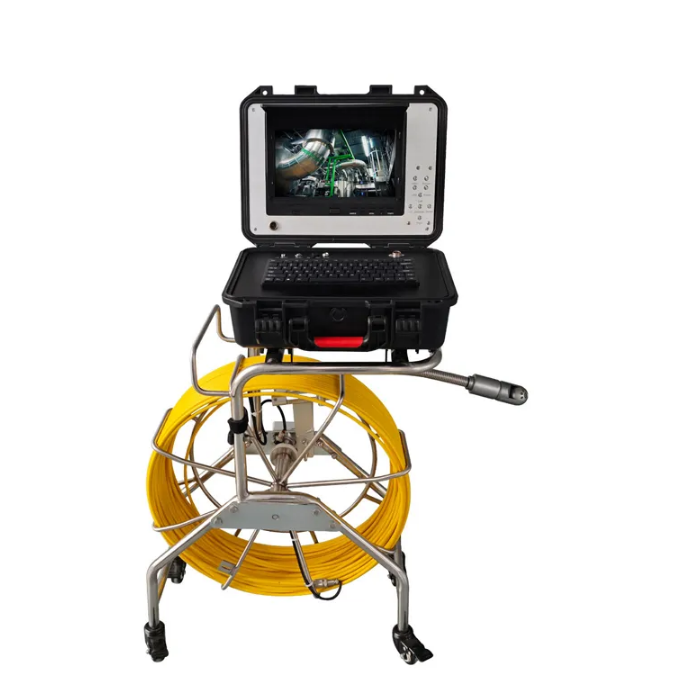
Shopping for a sewer camera can feel a bit overwhelming with all the different models out there. Some are cheap little gadgets, and others are serious professional tools. But if you just want to check the drains around your house, you don't need to spend a fortune or get lost in tech specs. You just need to know what actually matters. Let me walk you through the key things to look for so you can pick a sewer camera that gets the job done without any headaches.
Camera resolution and image quality
This is the number one thing you should care about. If the picture is blurry, you might miss a small crack or a developing clog. For residential use, look for at least 720p HD. Better yet, go for 1080p. That level of clarity shows you hairline cracks and the details of a root intrusion that standard definition would just smear into a dark blob. A crisp image makes all the difference when you are trying to figure out if that dark spot is just dirt or a serious pipe failure.
Cable length and flexibility
Think about how long your drains actually are. Most home sewer lines from the house out to the street run between 20 to 40 meters. So you do not need a 100 meter cable dragging around your yard. A cable in the 20 to 40 meter range is plenty for a typical house. Equally important is how the cable bends. You want something flexible enough to navigate those tight 90 degree bends under your sinks and toilets. A cable that is too stiff will get stuck, and a cable that is too floppy won't push far enough. The right balance lets you glide through the pipe without fighting it the whole way.
Lighting system and waterproof rating
Pipes are completely dark. Without good lights, your sewer camera is just looking at black nothing. Make sure the camera head has adjustable LED lights. This lets you dial in the brightness so you can see clearly without getting a blinding glare off wet pipe walls. As for waterproofing, look for an IP68 rating. That means the camera can sit in muddy, dirty water without breaking. Since you will be sending it into places where water and gunk are guaranteed, you want a camera that can handle that environment and keep working.
Locator and distance counter
Here is a feature that saves a ton of guesswork. A built in sonde or transmitter sends a signal up to the surface. A separate receiver picks up that signal and tells you exactly where the camera head is underground. This is a game changer when you find a blockage. Instead of digging up half the yard, you know precisely where to break ground. A distance counter is just as handy. It shows you on the screen exactly how far the camera has traveled from the entry point. So when you see a problem at 15 meters, you can walk right to that spot and start your repair.
Monitor quality and recording ability
Staring at a tiny, dim screen for 20 minutes is no fun. Look for a monitor that is at least 7 inches with good brightness. Some models even have sunlight readable screens, which is a lifesaver if you are working outside on a bright day. A clear display reduces eye strain and helps you spot issues faster. Also, do not skip recording. Being able to save video or take snapshots to an SD card means you can show a plumber exactly what you found or just keep a record for yourself. It is way better than trying to describe a crack you saw but cannot prove.
Self leveling camera head
This might sound fancy, but it is actually very practical. As you push the cable through bends, the camera naturally rotates. A self leveling head automatically keeps the image upright no matter how much the cable twists. Without it, you end up looking at a sideways or even upside down pipe, which gets confusing fast. Self leveling lets you stay focused on spotting damage instead of trying to reorient what you are seeing in your head.
Making a smart choice for your home
You do not need a $2,000 professional rig to inspect your own drains. A good mid range sewer camera with 1080p resolution, 20 to 40 meters of flexible cable, adjustable LED lights, and IP68 waterproofing will handle almost everything a homeowner runs into. If your budget allows, add a locator and a self leveling head, and you will be set for years. The peace of mind that comes from knowing exactly what is happening inside your pipes is worth every penny.