
 EN
EN
Understanding Deep Well Camera Durability in Harsh Environments
Waterproof Housing and Corrosion-Resistant Materials for Long-Term Use
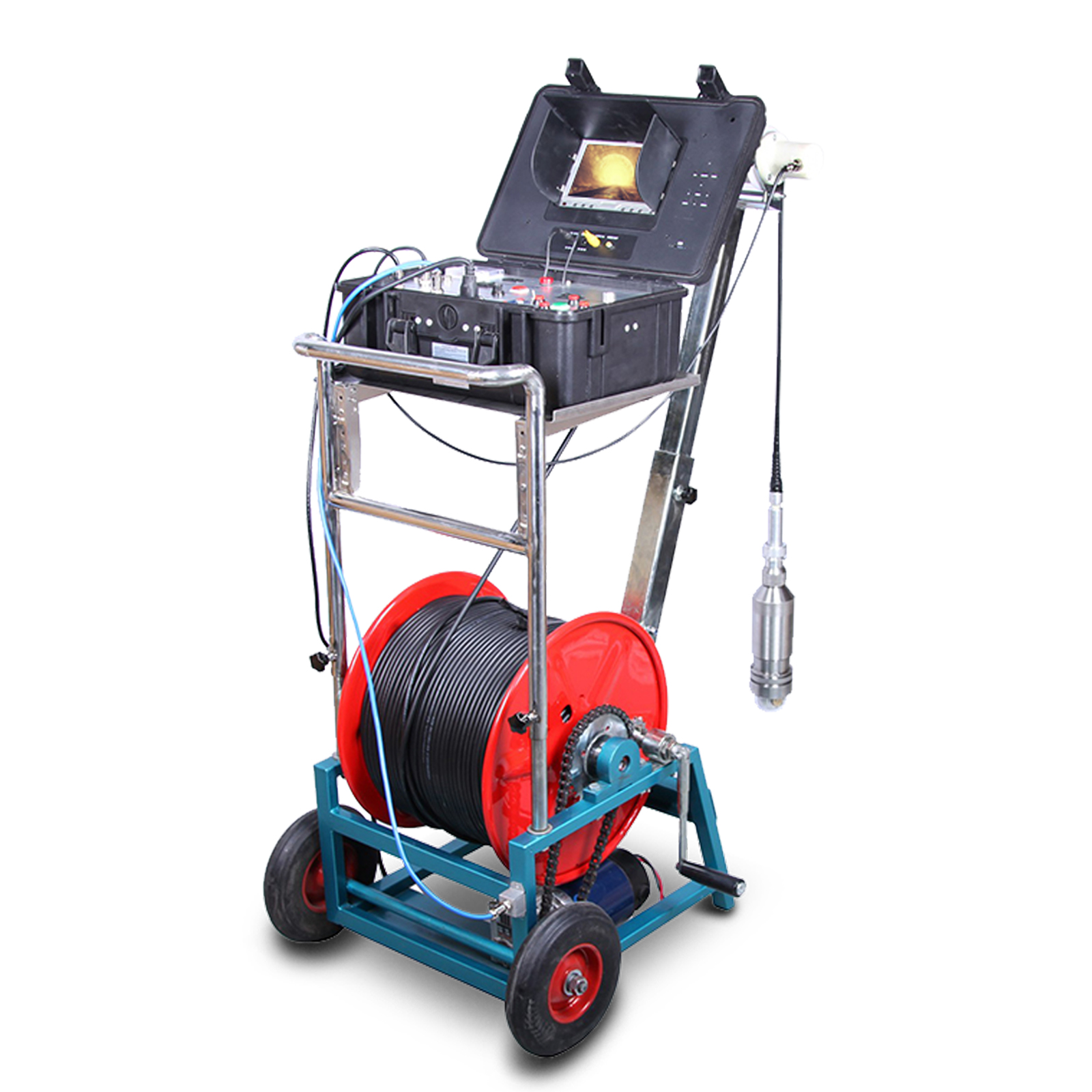
Most deep well cameras depend on those IP68 rated waterproof seals so they can stay underwater for long periods without letting water get inside where it might ruin the delicate electronic parts. Manufacturers know corrosion is a big problem down there with all those minerals and gases floating around, so they build the housings using stuff like marine grade stainless steel and sometimes even titanium. The reason stainless works so well? That chromium in it creates this thin oxide layer that basically stops rust from forming, which means these cameras last way longer than regular materials would allow maybe somewhere around 40% longer in testing. And dont forget about those flexible polymer cable jackets either they help protect against wear and tear while still allowing movement through tight spots underground. All these design choices mean operators can count on their equipment working properly year after year despite being constantly exposed to moisture and harsh conditions below ground level.
Material Science: Withstanding Salt Air, Humidity, and Temperature Extremes
Salt air along coastlines really speeds up metal corrosion, but certain advanced alloys stand up better against this problem. Aluminum-magnesium mixtures form protective oxide layers that help them resist damage from chloride exposure. For internal electronics, manufacturers apply something called conformal coatings these are basically thin polymer films that stop moisture from causing short circuits on printed circuit boards. When it comes to handling temperature changes, engineers turn to materials with low thermal expansion rates. Glass reinforced thermoplastics work well here since they keep their shape even when temperatures swing wildly from below freezing to over 60 degrees Celsius. Many modern designs also incorporate phase change materials which soak up excess heat while operating and then slowly release it back out. This helps equipment perform reliably no matter what kind of harsh environmental conditions they face day after day.
Balancing High-Resolution Imaging with Structural Durability
The high resolution images stay sharp thanks to tough optical glass lenses that can stand up to scratches from dirt and dust while still letting light pass through clearly. The cameras also have shock absorbing mounts that keep those sensitive image sensors safe when bumped around, plus the body design spreads out stress so there aren't weak spots where things might break. Inside, extra support goes where it matters most for important parts, but other sections are built to bend just enough without breaking completely. All this careful engineering means we get great 4K quality even after drops and bumps. Real world testing shows that using dual focus systems makes inspections much better too, with around 30% improvement in accuracy according to field reports, all while holding up against tough conditions.
Essential Preventive Maintenance for Deep Well Cameras
Comprehensive Maintenance Checklist by Frequency (Daily to Annual)
A structured maintenance schedule is essential for maximizing reliability and extending service life. Follow this tiered protocol:
- Daily: Inspect housing seals, clean lenses with microfiber cloths, and confirm battery charge levels before use
- Weekly: Test LED lighting, check cables for corrosion, and verify depth calibration
- Monthly: Conduct pressure tests on housings, inspect O-rings for wear, and apply firmware updates to address security vulnerabilities
- Quarterly: Calibrate sensors using known depth markers, replace sacrificial anodes in saltwater applications, and stress-test backup power systems
- Annually: Schedule professional servicing, including pressure chamber validation and full diagnostic assessments
This systematic approach prevents approximately 73% of field failures, according to submersible equipment studies, ensuring cameras remain mission-ready for critical inspections.
Early Detection of Well Problems Through Regular Camera Inspections
Scheduled camera inspections enable early identification of developing issues, allowing proactive intervention before minor concerns become major failures. Visual documentation establishes baseline conditions to monitor changes over time, including:
- Sediment accumulation signaling failing filters
- Hairline cracks in casing joints that may lead to structural failure
- Localized corrosion in high-mineral wells
- Microbial growth indicating declining water quality
Facilities conducting quarterly inspections reduce emergency repairs by 58% compared to those inspecting annually, per industry data. When paired with digital logbooks for trend analysis, this preventive strategy shifts maintenance from a reactive cost to a value-preserving practice.
Maximizing Battery Life and Operational Reliability
Battery Performance in Extreme Temperatures and Intermittent Usage
The lithium ion batteries used in those deep well cameras really struggle when faced with extreme temperatures and all sorts of unpredictable usage. At around minus four degrees Fahrenheit, their capacity starts dropping pretty quickly, somewhere in the ballpark of twenty percent loss. And if they sit too long in heat above one hundred four degrees F, things get even worse fast the degradation rate jumps by about thirty percent compared to normal conditions. For anyone wanting these batteries to last longer, keeping them charged between twenty and eighty percent seems to work best since letting them drain completely just wears them out faster. Modern battery management systems keep an eye on both voltage levels and temperature changes constantly, which helps spot potential problems way before anything actually breaks down. Most technicians swear by this approach after seeing how much difference it makes in field operations.
- Storing batteries in climate-controlled cases between deployments
- Performing monthly capacity tests to identify early signs of wear
- Using partial charge cycles during extended inspection campaigns
- Replacing batteries after 500 full cycles or two years, whichever comes first
These protocols help extend battery life beyond 1,000 effective cycles, ensuring dependable operation during critical well assessments.
FAQ Section
Why are deep well cameras built with stainless steel or titanium?
Deep well cameras use materials such as marine grade stainless steel or titanium because they are corrosion-resistant, allowing the cameras to last longer in harsh environments. The chromium in stainless steel forms a protective oxide layer that prevents rust.
How do phase change materials help in deep well cameras?
Phase change materials absorb excess heat generated during camera operation and then slowly release it, helping to maintain consistent performance even in extreme temperatures.
What maintenance is crucial for deep well cameras?
Regular maintenance, including daily checks of housing seals and lenses and annual professional servicing, ensures long-term reliability and optimal performance of deep well cameras.
What conditions affect the performance of the batteries in deep well cameras?
Extreme temperatures can significantly impact battery performance. Storing batteries in climate-controlled environments and maintaining charge between 20% to 80% extends their lifespan.
Why is regular camera inspection important in well maintenance?
Regular inspections help in early detection of potential issues such as sediment accumulation and corrosion, allowing for proactive intervention before major failures occur.
Table of Contents
- Understanding Deep Well Camera Durability in Harsh Environments
- Essential Preventive Maintenance for Deep Well Cameras
- Maximizing Battery Life and Operational Reliability
-
FAQ Section
- Why are deep well cameras built with stainless steel or titanium?
- How do phase change materials help in deep well cameras?
- What maintenance is crucial for deep well cameras?
- What conditions affect the performance of the batteries in deep well cameras?
- Why is regular camera inspection important in well maintenance?